From Industrial Hub to Green Pioneer: How Townsville Got Serious About Sustainability
A decade of environmental wake-up calls transformed the city's approach to development, waste, and carbon emissions—here's the journey that brought us here.
A decade of environmental wake-up calls transformed the city's approach to development, waste, and carbon emissions—here's the journey that brought us here.
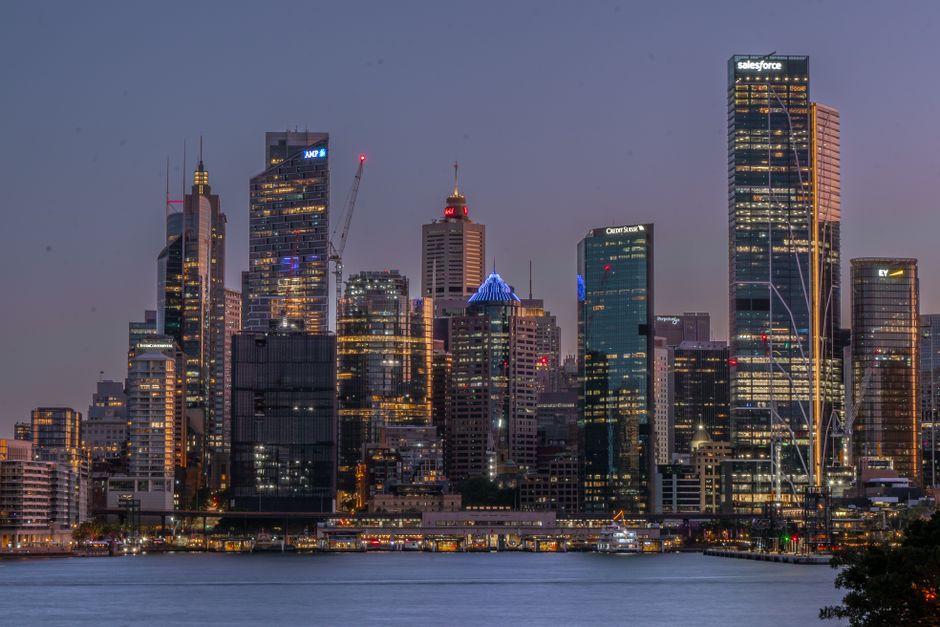
Townsville's transformation into a sustainability-focused city didn't happen overnight. A decade ago, the industrial heartland that built its reputation on mining exports and heavy manufacturing faced a reckoning: rising sea levels threatened the Port of Townsville, air quality in suburbs like Garbutt regularly exceeded safe thresholds, and landfill capacity at the Townsville Waste Management Centre was projected to reach saturation by 2028.
The turning point came in 2019 when severe flooding devastated the region, causing an estimated $2.4 billion in damages. Homes across Aitkenvale, Thuringowa, and the northern beaches were inundated. The disaster prompted the Townsville City Council to commission a comprehensive climate vulnerability assessment, revealing that without intervention, similar events would recur every 7-10 years rather than the historical 25-year cycle.
By 2021, the council adopted an ambitious emissions reduction target: net-zero by 2050, with interim goals of 50 percent reduction by 2035. This wasn't purely altruistic. Business leaders recognised that companies operating in Townsville faced increasing pressure from international supply chains demanding carbon accountability. Major employers in the manufacturing sector began competing for skilled workers who prioritised sustainable workplace practices.
The catalyst for local action accelerated in 2023 when Queensland introduced stricter building codes requiring new developments to meet Level 5 energy efficiency ratings. Projects across the CBD and along the Strand faced redesign costs ranging from $300,000 to $2 million each. Rather than resist, the council invested $18 million in a Green Infrastructure Fund, offering grants to businesses upgrading to renewable energy.
Community pressure amplified the shift. Environmental groups organising around the Townsville Waterfront and Ross River corridor documented declining water quality and habitat loss. Indigenous Elders shared knowledge about sustainable land management practices that had sustained the region for tens of thousands of years—insights that influenced council planning policies introduced in 2024.
Today's sustainability initiatives—from the expanded coastal mangrove restoration project to the Townsville Green Jobs Program launched last year—represent the culmination of this painful learning process. The city went from viewing environmental regulation as a burden to recognising it as competitive advantage.
The path forward isn't finished. Rising costs of renewable infrastructure and the challenge of retrofitting older industrial sites remain significant. But the trajectory is clear: Townsville arrived at its current sustainability moment not through visionary foresight, but through necessity, disaster, and the stubborn insistence of residents that their city could be both economically viable and environmentally responsible.
This article was compiled by AI from the sources linked above and screened before publishing. See our editorial standards.
About this article
Published by The Daily Townsville
Spread the word
Newsletter