Townsville's New Zoning Laws Could Transform Your Neighbourhood—Here's What It Means for Renters and Homeowners
City planners are set to vote on revised urban density rules that could reshape affordability and community character across key suburbs.
City planners are set to vote on revised urban density rules that could reshape affordability and community character across key suburbs.
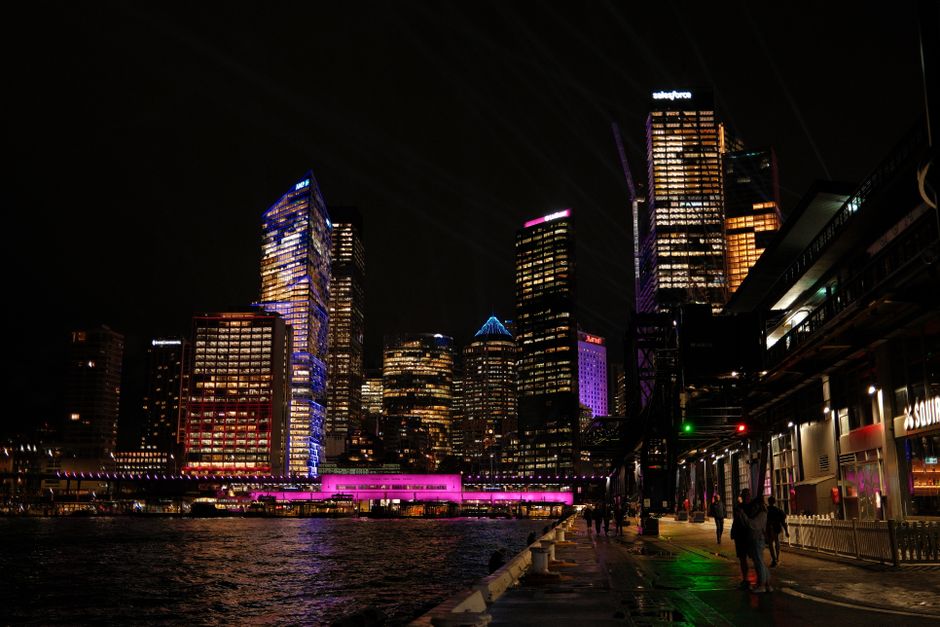
Townsville's City Planning Committee will vote next month on a revised zoning framework that could reshape neighbourhoods from Garbutt to Mysterton, directly affecting where young families can afford to live and how communities develop over the next decade.
The proposal, under review since early 2025, would allow four-storey residential buildings in medium-density zones currently capped at two storeys. While proponents argue this unlocks housing supply in an increasingly tight market, residents are asking harder questions about what their streets will actually look like—and whether affordability gains will reach those who need them most.
Recent data from the Townsville Housing Council shows median rental prices have climbed 22 percent since 2023, with one-bedroom apartments in the CBD now averaging $380 weekly. First-home buyers face similar pressure, with entry-level properties around the Riverside precinct starting near $620,000. For many working families in outer suburbs like Belgaum and Wulguru, these figures feel impossibly distant.
The city's planning department argues that allowing more units per block on established streets—particularly along transport corridors near Townsville Hospital and James Cook University—could help developers build cheaper housing. Critics, including the Townsville Community Alliance, counter that without mandatory affordability requirements, new apartments will target investors and professionals, leaving lower-income residents squeezed out.
"We need to know what this actually costs," said a spokesperson for the Castletown Residents' Association, reflecting concerns echoing across neighbourhood groups. "If we're changing our streetscapes, we deserve clarity on who benefits."
The debate mirrors tensions in cities globally. Melbourne and Brisbane have pursued similar density increases with mixed results—some new housing created, but not always at price points serving essential workers. Townsville's challenge is timing: the city is growing, newcomers are arriving, and housing pressure is real. Yet rushing through zoning changes without community input or affordability safeguards risks creating tall buildings that remain financially out of reach for most locals.
The committee will hear submissions through July. Residents interested in the proposal's details can access planning documents via Townsville City Council's website, though many say the technical language obscures the human stakes involved.
What happens next month will shape Townsville's character and economic reality for years. The decision isn't just about buildings—it's about whether growth works for everyone or only those who can already afford it.
This article was compiled by AI from the sources linked above and screened before publishing. See our editorial standards.
About this article
Published by The Daily Townsville
Spread the word
Newsletter