How Townsville's Transport Crisis Led Us to Today's $2.8 Billion OverhaulUpdated
Two decades of congestion, missed opportunities, and political gridlock finally forced the city's hand on infrastructure—here's the journey that brought us here.
Two decades of congestion, missed opportunities, and political gridlock finally forced the city's hand on infrastructure—here's the journey that brought us here.
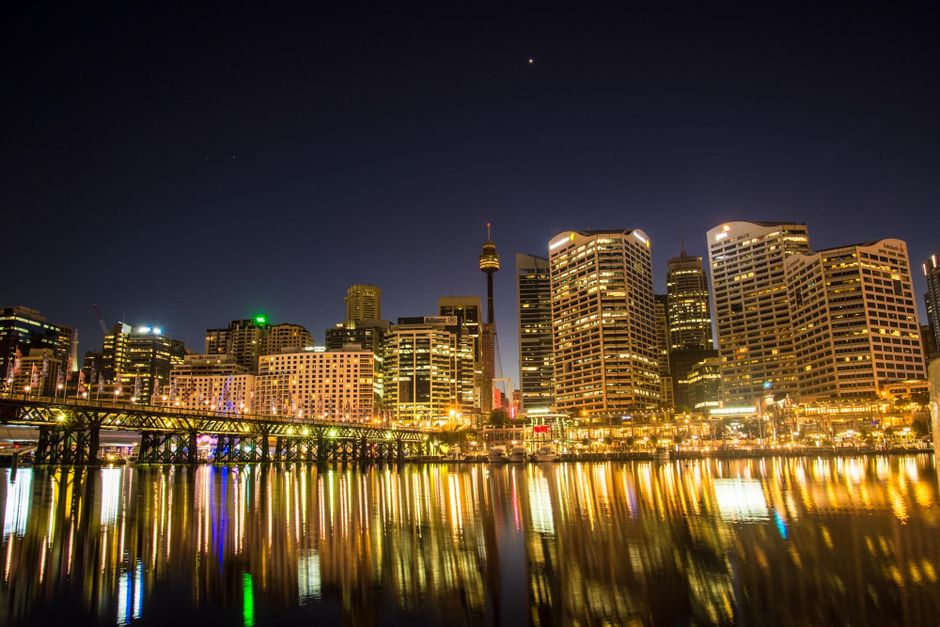
The gridlock on Flinders Street during peak hours has become so familiar that commuters barely notice it anymore. Bumper-to-bumper traffic stretching from the Strand through to Garbutt, with average journey times blowing out from 25 minutes to nearly an hour, feels almost inevitable. But it wasn't always this way—and understanding how Townsville arrived at today's unprecedented infrastructure commitments requires retracing two decades of hesitation, missed windows, and hard lessons learned.
When the Townsville City Council commissioned its first major transport study in 2004, the findings were stark but manageable. The city's population was hovering around 170,000, and planners warned that without intervention, congestion would become untenable by 2025. The recommendation was clear: begin a staged program of public transport expansion and arterial road upgrades. The estimated cost then? $680 million across fifteen years.
Nothing happened. Political cycles turned over. The mining boom drew workers to the region faster than anyone predicted—the population hit 230,000 by 2015—yet the transport infrastructure barely budged. A proposed light rail feasibility study in 2012 was shelved after a change in local government. A second crossing of Ross Creek, long mooted for the CBD, remained in planning limbo for a decade.
The breaking point came in 2023, when a transport analysis revealed the true cost of inaction. Congestion was now costing the regional economy an estimated $420 million annually in lost productivity. Business leaders from the Townsville Chamber of Commerce publicly warned that companies were relocating to Brisbane and the Gold Coast specifically because of infrastructure inadequacy. Recruitment became harder. Investment stalled.
The State Government, facing unprecedented pressure from stakeholders, finally commissioned an independent audit. The findings were sobering: the cost of infrastructure now needed to support a projected population of 350,000 had ballooned to $2.8 billion. And that was just the transport component—water, sewerage, and energy systems needed similar investment.
The Thuringowa Drive corridor, once a peripheral project, became critical. Plans for the Bowen Hills bypass accelerated. The long-abandoned proposal for improved public transport linking Castle Hill, the airport, and the Port of Townsville suddenly moved from theoretical to essential.
Local governments rarely learn quickly from delayed decisions. Townsville's infrastructure story is one of how compound inaction transforms manageable problems into crises. Today's $2.8 billion commitment isn't visionary planning—it's the expensive bill for twenty years of avoidance.
This article was compiled by AI from the sources linked above and screened before publishing. See our editorial standards.
About this article
Published by The Daily Townsville
Spread the word
Newsletter