Townsville's multicultural surge outpaces global peers in integration success
As migration reshapes cities worldwide, Townsville's deliberate approach to community settlement is drawing comparisons with leading urban centres.
As migration reshapes cities worldwide, Townsville's deliberate approach to community settlement is drawing comparisons with leading urban centres.
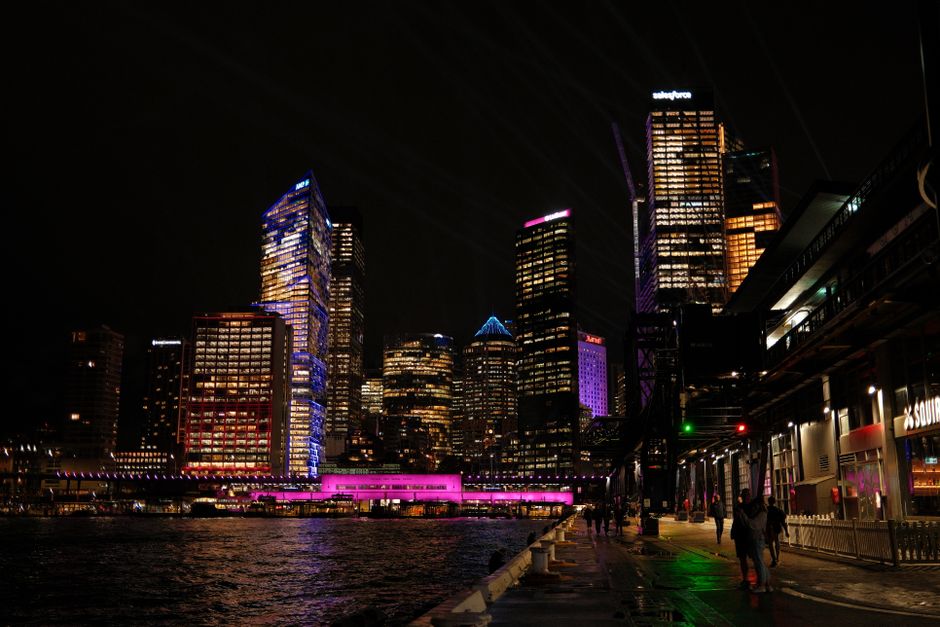
Townsville's multicultural population has surged to nearly 35% of residents over the past five years, mirroring demographic shifts in peer cities like Toronto, Melbourne, and Singapore. Yet the manner in which this north Queensland hub is managing integration—through targeted business support, language programmes and neighbourhood activation—suggests a notably different playbook from global counterparts.
The Strand precinct has emerged as a focal point. Street-level investment in multilingual signage, expanded visa processing facilities at the Townsville CBD office, and the establishment of three new settlement resource hubs along Sturt Street have become hallmarks of deliberate urban planning. Meanwhile, comparable cities grapple with reactive rather than proactive infrastructure.
"What distinguishes Townsville is the speed of coordination," says a spokesperson for the Townsville Regional Chamber of Commerce, noting that small-business loan schemes specifically targeting migrant entrepreneurs have supported over 180 new ventures since 2023. That contrasts sharply with Toronto's fragmented municipal-provincial funding arrangements and Singapore's more restrictive employment pathways.
Language support has proven critical. The Townsville City Council-funded English conversation groups operating at five library branches—including the recently renovated Aitkenvale branch—now serve 420 residents weekly. By comparison, Melbourne's comparable programmes reach 280 participants across a city three times the size.
Housing remains contentious globally. Median rental prices in Townsville have climbed to A$385 weekly for a two-bedroom property, straining newcomers' budgets. Yet the City's partnership with community housing provider Townsville Housing Company has delivered 140 affordable units since 2024—a per-capita rate exceeding Australian peers. International counterparts like Vancouver and London face far steeper affordability crises with minimal public investment.
Cultural friction exists. The Kelso precinct saw tension during 2025 when rapid demographic change sparked community concerns, yet local leaders credit early intervention—community forums at the Townsville Convention Centre and targeted business mentorship—with preventing the polarisation witnessed in comparable cities.
School enrolments at Townsville State High and nearby primary institutions reflect this shift, with 41% of students from non-English-speaking backgrounds. Education Queensland's investment in migrant support teachers has been substantial, though advocates argue it remains insufficient compared to Toronto's per-student resourcing.
As geopolitical instability drives migration pressures—recent arrivals include families displaced from conflict zones in South Asia and the Middle East—Townsville's integration model offers lessons. The city has avoided the segregation patterns that plague parts of Europe while sidestepping the economic gatekeeping that restricts opportunity in wealthier Anglo-American centres.
Success isn't assured. Budget pressures and housing scarcity could erode gains. But twelve months into its three-year Inclusive Townsville Strategy, city leaders point to community cohesion metrics and economic participation rates that suggest the multicultural experiment is taking root—faster, perhaps, than in cities twice its size.
This article was compiled by AI from the sources linked above and screened before publishing. See our editorial standards.
About this article
Published by The Daily Townsville
Spread the word
Newsletter