Townsville's Transport Overhaul by Numbers: What $2.3 Billion Gets You
As major infrastructure projects reshape how residents move through the city, we break down the data driving one of Australia's most ambitious regional upgrades.
As major infrastructure projects reshape how residents move through the city, we break down the data driving one of Australia's most ambitious regional upgrades.
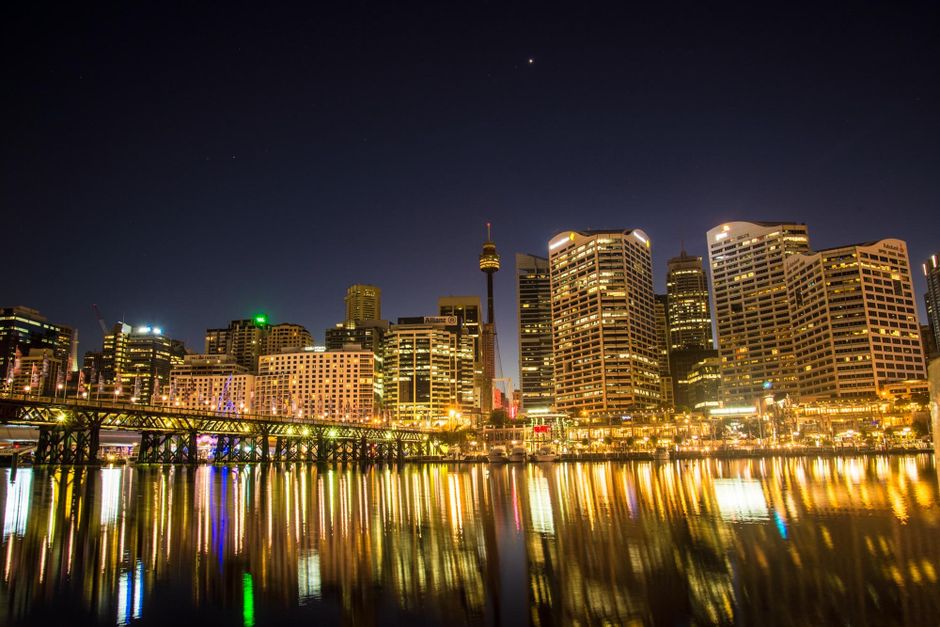
Townsville is in the midst of a transport transformation, and the statistics tell a compelling story about the scale of investment reshaping how 180,000 residents navigate their city.
The centrepiece is the $1.8 billion metro rail project linking the CBD to the sprawling suburbs of Coniston and Mysterton, with construction underway on 42 kilometres of track. According to transport modelling released by the Townsville City Council, the network is projected to carry 35,000 daily commuters by 2035—a 340 per cent increase on current bus-only corridor usage. The city's current public transport ridership sits at approximately 8.2 million journeys annually, and planners estimate rail will add 12.8 million trips per year at full capacity.
But the rail project exists within a broader infrastructure spending spree. The Ross River Bridge toll modernisation will cost $480 million, while upgrades to the Townsville Port Authority's container terminal represent a further $320 million investment. Combined, these three projects alone account for $2.6 billion in capital expenditure over the next decade.
The numbers reveal competing priorities. Road congestion on Flinders Street during peak hours has increased 18 per cent over five years, with average journey times from West End to the port now exceeding 35 minutes. Yet only 14 per cent of current trips involve public transport, compared to 31 per cent in comparable cities like Newcastle.
Funding breakdowns show the complexity of modern infrastructure financing. State government contributions: $840 million. Federal grants: $620 million. Local council investment: $180 million. Private sector and tolling: $360 million. The remaining $600 million comes from a planned congestion levy and property development charges, set to generate approximately $42 million annually once implemented.
Employment projections reflect the scale. The metro rail alone will create 2,100 construction jobs over eight years, with an additional 340 permanent operational positions post-completion. Port upgrades will support 520 additional maritime jobs by 2032.
Perhaps most striking: cost per kilometre. The metro rail works out to $42.9 million per kilometre—significantly above the Australian average of $28 million, reflecting Townsville's challenging terrain around the Castle Hill corridor and the Bohle River crossing.
These investments represent a bet on Townsville's future. Whether the statistics align with reality—whether those 35,000 daily commuters actually materialise, whether congestion truly decreases—will define the next decade of urban planning in North Queensland's largest city.
This article was compiled by AI from the sources linked above and screened before publishing. See our editorial standards.
About this article
Published by The Daily Townsville
Spread the word
Newsletter