Townsville's Transport System Outperforms Global Cities in Livability
As urban centres worldwide struggle with congestion and pollution, Townsville's innovative commuting infrastructure offers a masterclass in liveable city design.
As urban centres worldwide struggle with congestion and pollution, Townsville's innovative commuting infrastructure offers a masterclass in liveable city design.
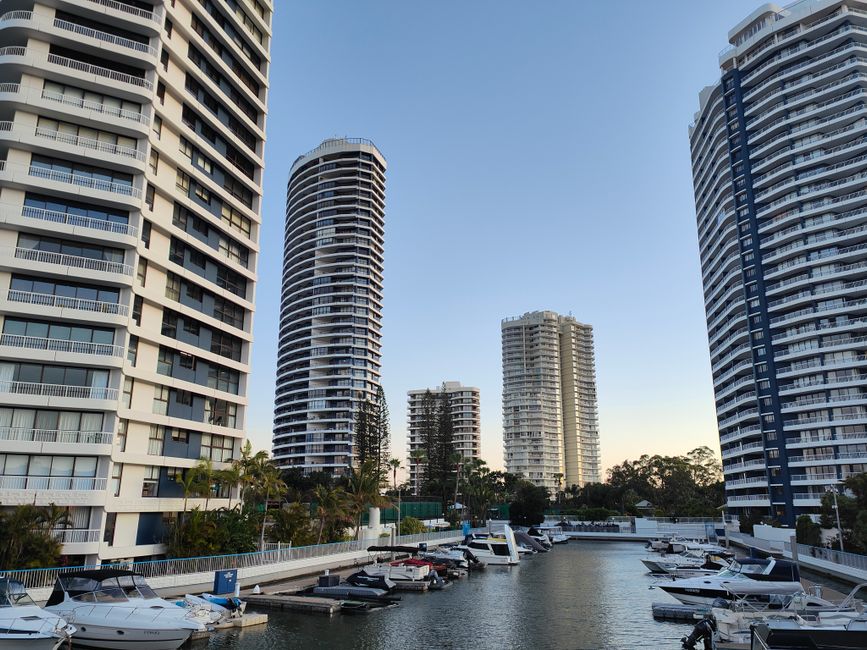
Walk down Flinders Street on any weekday morning, and you'll witness something increasingly rare in major global cities: a genuine alternative to car dependency. While New York grapples with ageing subway systems and Melbourne's tram network strains under population growth, Townsville has quietly engineered a transport ecosystem that prioritises accessibility, affordability, and environmental responsibility.
The city's integrated approach begins with its Sunbus network, which operates over 40 routes connecting the CBD to suburbs like Aitkenvale, Kirwan, and Mysterton. At just $3.60 for a single journey or $17 for a weekly pass, fares remain among the lowest in comparable Australian cities—roughly 30% cheaper than Brisbane's equivalent services. More significantly, Townsville's buses run on a customer-centric frequency: peak-hour services arrive every 10-15 minutes on major corridors, eliminating the anxiety of missed connections that plagues commuters elsewhere.
But transport innovation here extends beyond buses. The recently expanded cycling infrastructure has positioned Townsville as a model for tropical urban design. The Ross River Cycleway, stretching 28 kilometres from the City to Thuringowa, provides safe, separated bike lanes that double as recreational pathways. Unlike similar projects in hotter climates that often fail due to poor planning, Townsville's design incorporates shade structures and water stations—practical touches that acknowledge the reality of subtropical living.
The city's walkability scores, particularly in neighbourhoods like The Strand and around the Reef HQ Aquarium precinct, rival much larger European capitals. Street-level activation, mixed-use developments, and pedestrian-prioritised zones mean that many Townsville residents can accomplish daily tasks—groceries, banking, dining—without motorised transport. Compare this to sprawling cities like Phoenix or Brisbane's outer suburbs, where car ownership remains almost mandatory.
Perhaps most tellingly, Townsville's transport planning reflects genuine community input rather than top-down imposition. The city's Transport and Mobility Forum engages residents quarterly, resulting in responsive adjustments: new night-time bus services addressing shift workers' needs, accessible design features incorporated before projects completion, and real-time tracking apps that function reliably.
As global cities face climate emergencies and quality-of-life crises, Townsville demonstrates that thoughtful transport infrastructure—neither grandiose nor neglected—creates genuine urban livability. It's a lesson that Copenhagen, Singapore, and increasingly, the world, is learning.
This article was compiled by AI and screened before publishing. See our editorial standards.
About this article
Published by The Daily Townsville
Spread the word
Newsletter