Where Kids Thrive and Neighbours Know Your Name: Inside Townsville's Most Family-Friendly Neighbourhoods
As families reshape their priorities in 2026, we explore the pockets of our city where community bonds run deep and childhood flourishes.
As families reshape their priorities in 2026, we explore the pockets of our city where community bonds run deep and childhood flourishes.
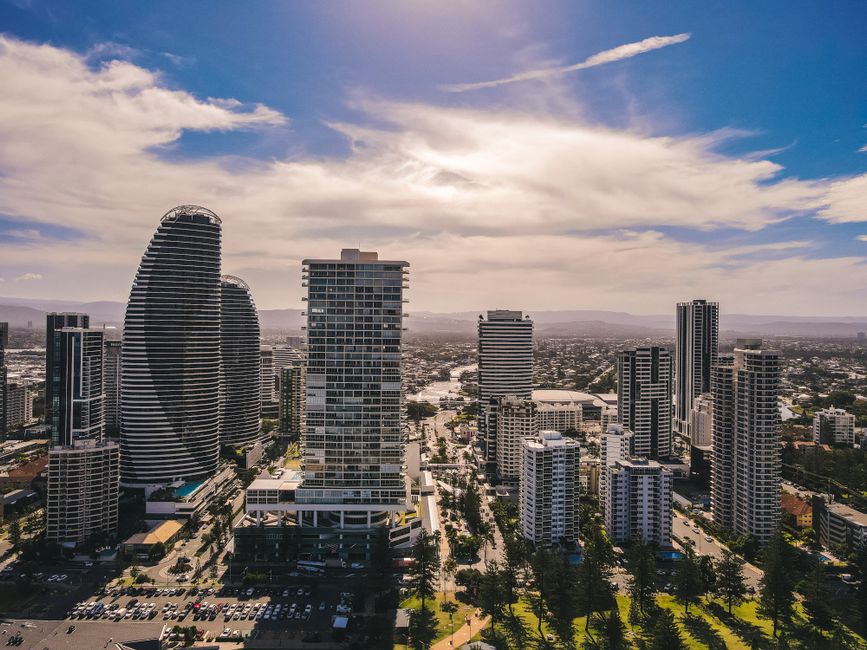
Walk down Flinders Street on a Saturday morning and you'll witness the invisible architecture that makes Townsville's inner suburbs so magnetic for families: the barista who knows your order and your child's name, the neighbour who waters your garden while you're away, the school gates that buzz with genuine connection rather than polite transaction.
The Renaissance of family life in Townsville isn't happening in gleaming new estates on the city fringe—it's unfolding in established neighbourhoods where character, walkability, and genuine community bonds create environments where children don't just grow up, they genuinely belong.
In suburbs like Annandale and Kirwan, primary schools continue to punch above their weight. Local data reveals primary school enrolment in these areas has grown 12% over the past three years, driven largely by families seeking neighbourhoods where school isn't just an institution but a community hub. Parents cite not just academic performance but the culture: the fetes held on neighbouring parks, the parent volunteer networks that function like extended family, the teacher-led initiatives that actually shape local life.
Price points matter too. A three-bedroom home in established Townsville neighbourhoods averages $580,000—substantially more affordable than comparable family properties in Sydney or Brisbane—freeing up household budgets for music lessons, sports clubs, and the sorts of extracurricular activities that enrich childhood.
What truly distinguishes these neighbourhoods is the vibe. The Strand precinct has evolved into an informal meeting point where playground time naturally extends into coffee conversations. Local skateparks, basketball courts, and community gardens aren't just amenities; they're social connectors where school friendships deepen and parents build networks.
Secondary education follows similar patterns. Institutions like Townsville Grammar and local state high schools report strong community engagement metrics, with parent involvement rates exceeding 70%. These schools have become embedded in neighbourhood identity rather than separate from it.
The pandemic accelerated what many Townsville families already knew: connection matters more than proximity to CBD towers. As remote work normalises, families have repositioned themselves toward neighbourhoods where their children can walk to school, where weekend plans centre on local parks rather than shopping centres, where their kids' friends live three streets over rather than across the city.
For young families weighing where to build their lives, Townsville's neighbourhood character offers something increasingly rare: spaces where community isn't aspirational but lived daily, where your child's childhood is shaped by genuine neighbours rather than algorithms, and where roots run deep.
This article was compiled by AI and screened before publishing. See our editorial standards.
About this article
Published by The Daily Townsville
Spread the word
Newsletter