Moving to Townsville? Here's What Locals Actually Want You to KnowUpdated
We asked seasoned expats and longtime residents for their unfiltered tips on settling into Australia's most dynamic coastal city.
We asked seasoned expats and longtime residents for their unfiltered tips on settling into Australia's most dynamic coastal city.
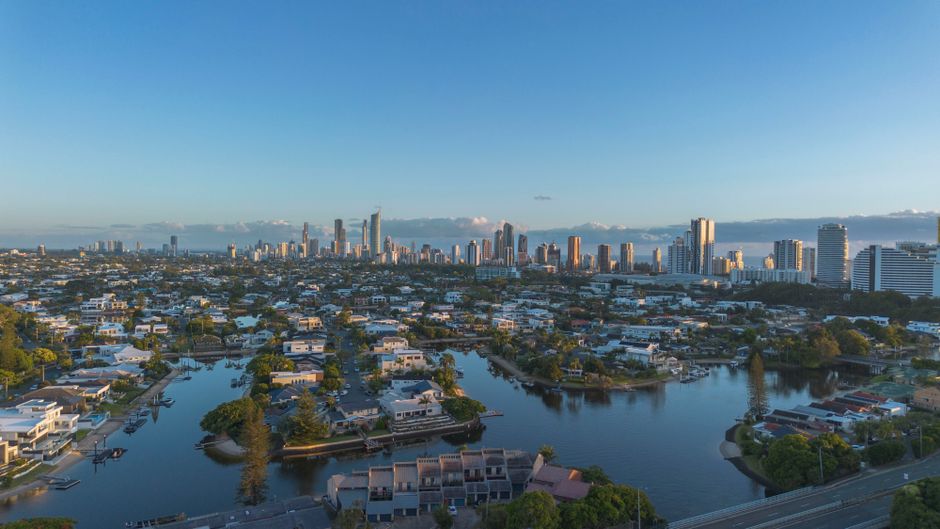
Townsville's reputation as a welcoming hub for international arrivals is well-earned, but the reality of relocation extends well beyond the glossy tourism boards. We spoke with expats and established locals who've navigated the transition firsthand—here's their honest playbook.
Get your accommodation sorted before arrival. The rental market around popular postcodes like Townsville CBD, Stockland, and South Bank moves fast. Most landlords request references and proof of income; having these organised digitally saves weeks of frustration. Expect to pay $380–$480 weekly for a one-bedroom apartment in central areas. The Bulletin Board at James Cook University and local Facebook housing groups remain goldmines for leads, despite their chaotic nature.
Banking and bureaucracy first, then everything else. Open an Australian bank account early—it's non-negotiable for employment and rentals. The Big Four banks have branches throughout the city. You'll also need a Tax File Number (TFN) and to register with the Australian Taxation Office online. Several expat-focused migration agents operate near Flinders Street East and can streamline visa queries, though their fees aren't cheap.
Invest in local networks immediately. Townsville's professional community congregates at venues like Strand Coffee and the Townsville Chamber of Commerce. Industry meetups happen regularly; attending one within your first month pays dividends. The Townsville Expat Community Facebook group is active and genuine, not just a complaints forum.
Public transport works, but have a backup plan. Buses are reliable for weekday commutes, but weekend frequency drops. Many residents cycle or drive; cycling infrastructure around the waterfront is excellent. A second-hand bicycle costs $150–$300 locally and saves transport fees.
Winter isn't winter, and wet season is serious. July temperatures hover around 20°C, not the freezing climates many expats expect. November through February brings humidity and cyclone risk; locals aren't being dramatic when they emphasise storm-proofing. Building insurance isn't optional here.
Food costs more than you think. Townsville's isolation means imported goods carry premiums. Budget 15–20% higher than southern Australian cities. However, local produce markets near Strand Park and the CBD offer competitive prices on seasonal vegetables and tropical fruit.
Finally: join something. A sports club, volunteer organisation, or hobby group removes the isolation expats often feel. Townsville's tight-knit lifestyle culture means showing up consistently opens doors faster than anywhere else.
This article was compiled by AI and screened before publishing. See our editorial standards.
About this article
Published by The Daily Townsville
Spread the word
Newsletter