Townsville's Parks Rival Cities Three Times Larger, Here's How
From tropical beachfront reserves to urban wetlands, this city has cracked the code on outdoor living that rivals destinations three times its size.
From tropical beachfront reserves to urban wetlands, this city has cracked the code on outdoor living that rivals destinations three times its size.
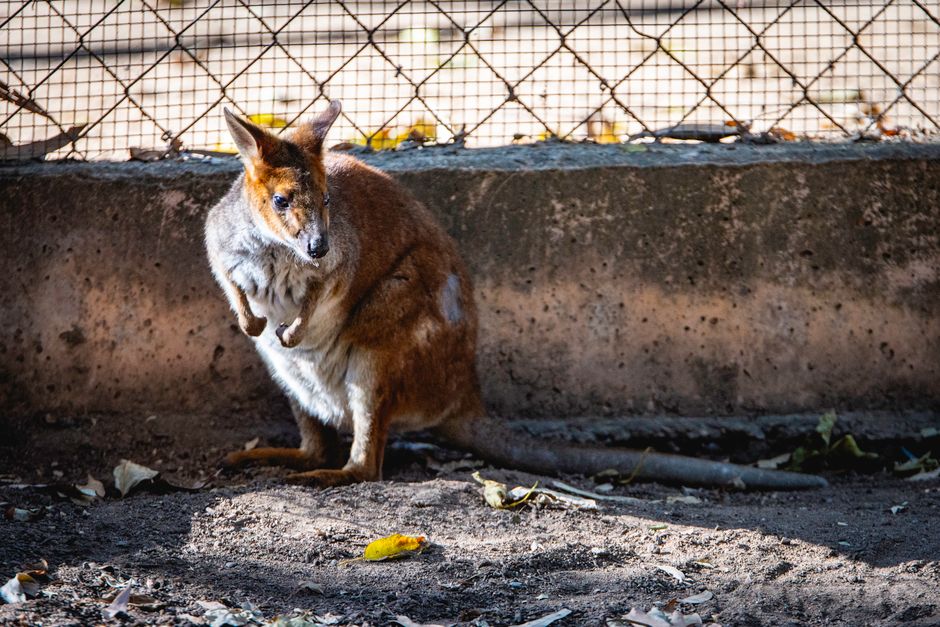
Walk through any major global metropolis and you'll notice the same pattern: concrete dominates, green space is rationed, and outdoor living feels like a luxury rather than a way of life. Townsville has managed something remarkably different.
The city's approach to parks and green spaces reflects a philosophy that sets it apart from overcrowded urban centres worldwide. Where cities like London and New York jealously guard their parks as islands of respite, Townsville has woven nature throughout its entire fabric. The result is a lifestyle that feels fundamentally different from the cramped outdoor offerings found in comparable global cities.
Consider the Castle Hill precinct. This 60-hectare reserve dominates the southwestern landscape, offering not just walking trails but a genuine sense of wilderness minutes from the CBD. Compare that density to Central Park in New York—which requires millions of visitors annually to share 341 hectares—and Townsville's advantage becomes clear. Here, you can actually escape crowds.
The Ross River and its associated parklands represent another distinction. Rather than cordoning off waterways like many cities do, Townsville has created a 40-kilometre network of bikeways and pedestrian paths that make riverside living accessible to ordinary residents, not just the wealthy waterfront elite. Strand Park remains a masterclass in how to integrate recreation, dining, and natural beauty without the gentrification that typically follows such investments in global cities.
What makes this particularly remarkable is the tropical climate advantage. Unlike temperate-zone cities where outdoor living feels seasonal, Townsville's year-round warmth means parks function as genuine living spaces, not brief summer destinations. The Queensland Museum and Townsville Botanic Gardens blend education with outdoor relaxation in ways that feel organic rather than programmed.
Local organisations like the Townsville City Council have also prioritised accessibility. Entry to most major parks remains free or nominal, contrasting sharply with premium park passes required in some international cities. A family of four can spend an entire weekend outdoors here for a fraction of what similar activities cost in Sydney or Melbourne.
Even the smaller neighbourhood reserves—think Pallarenda, Belgian Gardens, or the wetlands near Doongan Street—offer what urbanists call "micro-nature": spaces where biodiversity thrives and residents maintain genuine connection to local ecosystems. This granular approach to green space planning is something most global cities abandoned decades ago in pursuit of density.
As geopolitical tensions rise and international travel becomes increasingly uncertain, Townsville's outdoor living advantage feels particularly prescient. The city has quietly built something many would spend significant resources to replicate: a place where nature isn't a weekend destination, but simply how people live.
This article was compiled by AI and screened before publishing. See our editorial standards.
About this article
Published by The Daily Townsville
Spread the word
Newsletter