Why Townsville's Parks Put Global Cities to ShameUpdated
From tropical gardens to waterfront reserves, our city's green spaces offer a lifestyle edge that rivals Sydney, Barcelona and beyond.
From tropical gardens to waterfront reserves, our city's green spaces offer a lifestyle edge that rivals Sydney, Barcelona and beyond.
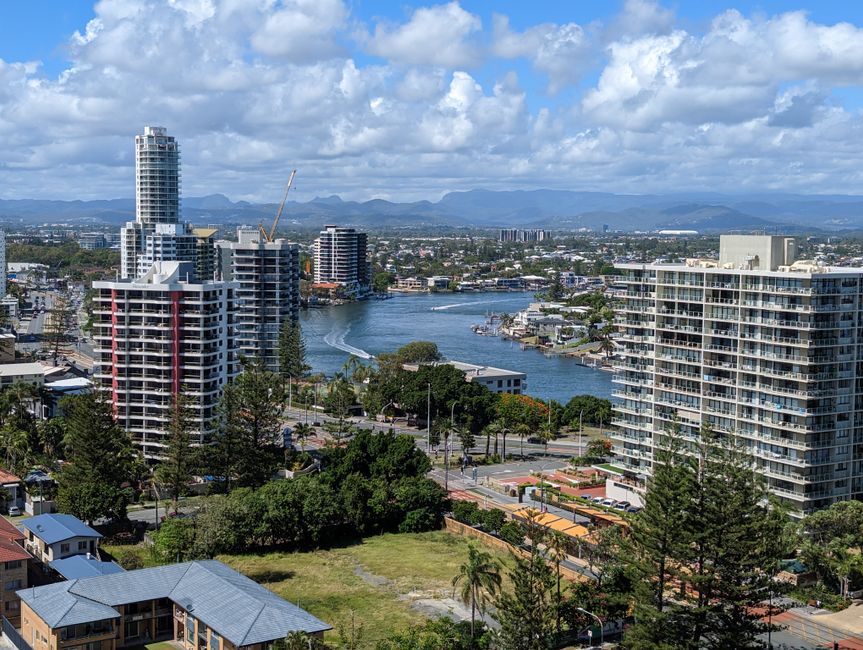
While cities worldwide scramble to retrofit urban parks into concrete jungles, Townsville has something most metropolises spent decades trying to recreate: genuinely integrated outdoor living woven into the fabric of daily life.
The difference starts with geography. Our proximity to the Great Barrier Reef creates a unique subtropical ecosystem that underpins everything from the sprawling 46-hectare Paluma Range National Park to the carefully curated native plantings throughout residential suburbs. It's not just aesthetic—it's ecological authenticity that imported European park designs simply cannot replicate.
Consider Castle Hill, our signature natural landmark. Rising 286 metres above the city, this granite outcrop provides unparalleled urban bushwalking without requiring a car journey to reach it. Compare that to Barcelona's Park Güell or Sydney's Blue Mountains—both require significant travel time. Here, locals access proper wilderness within walking distance of the CBD.
Then there's our waterfront strategy. The Ross Creek precinct has transformed into a living model of what forward-thinking urban planning looks like. The Strand, stretching 2.2 kilometres, combines recreational cycling, swimming lagoons, and native gardens in a single continuous space. Most cities carve these experiences into separate zones; we've integrated them seamlessly.
What truly sets Townsville apart, however, is accessibility pricing. Annual passes to council-managed reserves cost just $35—roughly one-third the price of comparable schemes in Melbourne or Perth. The city's 47 designated public parks remain completely free, with facilities maintained to high standards.
Local organisations like Townsville City Council's Parks and Recreation team have prioritised indigenous planting programs, ensuring our green spaces reflect genuine local identity rather than imported aesthetics. Native melaleucas, pandanus palms, and rainforest species thrive here naturally, requiring less irrigation and supporting local fauna in ways that European-inspired gardens never could.
The lifestyle advantage becomes clear in summer months when residents enjoy year-round outdoor dining, water activities, and evening park gatherings. Unlike cities with four distinct seasons where park usage drops dramatically, Townsville's subtropical climate means green spaces generate genuine activity twelve months annually.
Investment data supports this narrative: properties within 500 metres of major parks command price premiums of 8-12 percent locally, compared to 15-18 percent in comparable international cities, suggesting our parks are more equitably distributed across neighbourhoods rather than concentrated near expensive precincts.
As global cities continue investing billions in park revitalisation, Townsville's advantage lies not in expensive retrofitting, but in authentic tropical integration—a lifestyle asset that money simply cannot buy elsewhere.
This article was compiled by AI and screened before publishing. See our editorial standards.
About this article
Published by The Daily Townsville
Spread the word
Newsletter