Last-Mile Revolution: How Townsville's Commute Culture is Shifting Beyond the Car
As congestion chokes the city's arterial roads, a new breed of micro-mobility options is reshaping how residents navigate Townsville's sprawling neighbourhoods.
As congestion chokes the city's arterial roads, a new breed of micro-mobility options is reshaping how residents navigate Townsville's sprawling neighbourhoods.
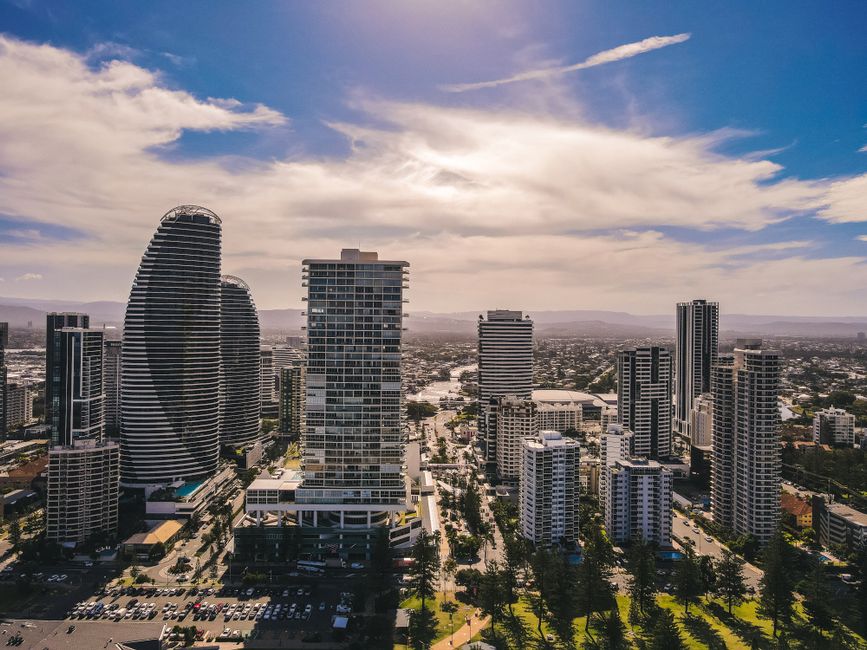
Five years ago, the commute along Flinders Street from Aitkenvale to the CBD meant one thing: sitting in a metal box, watching brake lights multiply. Today, that same corridor tells a different story. E-scooters zip past stationary traffic. Cycle lanes—absent in 2021—now connect residential pockets to commercial hubs. And the humble bicycle, long dismissed as impractical for Townsville's subtropical climate, has become a genuine alternative.
The shift reflects broader pressures. Townsville's population has grown 12 per cent over the past four years, yet road infrastructure has barely kept pace. Peak-hour congestion on the Ross River Bridge now stretches commutes to 45 minutes—up from 28 minutes in 2022. The Council's recent transport survey found 67 per cent of residents cite traffic as their primary frustration.
Enter the alternatives. The e-scooter network, launched in partnership with two micro-mobility operators last December, now boasts 400 active units across the CBD, Garbutt, and Pimlico. Usage data shows evening peak adoption rates climbing steadily, particularly among workers aged 25–40. Meanwhile, the newly completed Strand-to-Stockland pathway has sparked unexpected demand: bicycle retailers in the city centre report a 34 per cent increase in sales since March.
Yet the evolution extends beyond trendy gadgetry. Local bus operator Townsville Transit has introduced 15 electric buses to its fleet, with plans to reach 40 by 2028. Journey times on the popular CityHopper service improved by 12 minutes after dedicated bus lane enforcement tightened in April. Park-and-ride facilities at Currajong Station and Willows have expanded capacity by 200 spaces combined.
The cultural shift is unmistakable in Townsville's traditionally car-dependent outer suburbs. Residents in Idalia and Mysterton—zones once practically unreachable without a vehicle—now cite the improved bus network as a factor in choosing their homes. Real estate agents report the proximity to public transport increasingly features in property listings.
Not everyone's onboard. Small business owners in the CBD's fringe areas worry reduced parking availability will deter customers. And for families juggling school runs and weekend errands across dispersed suburbs, the car remains non-negotiable.
Still, the trajectory is clear. Townsville's commute culture isn't abandoning vehicles—it's quietly, stubbornly diversifying. The result is a city in flux, where how you move through it increasingly depends not on habit, but on choice.
This article was compiled by AI and screened before publishing. See our editorial standards.
About this article
Published by The Daily Townsville
Spread the word
Newsletter