How a handful of volunteers built Townsville's winter festival calendar—and why they're burning outUpdated
As the city's event season ramps up, the people behind Townsville's beloved festivals reveal the unglamorous work of keeping culture alive.
As the city's event season ramps up, the people behind Townsville's beloved festivals reveal the unglamorous work of keeping culture alive.
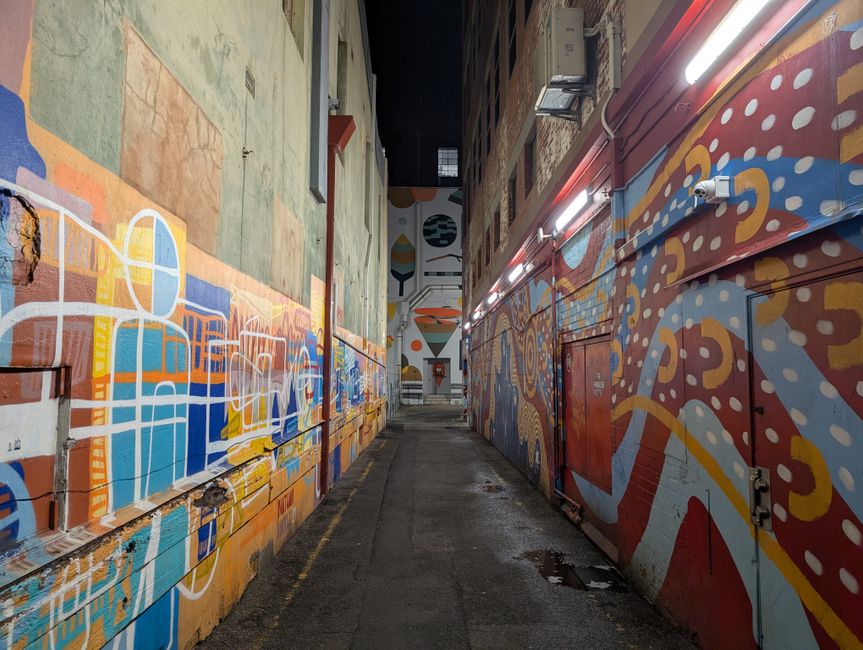
The Townsville Winter Festival kicked off last week with a packed program across Pallarenda and the CBD, but few attendees knew that the entire three-week event runs on a budget of $340,000—roughly what a mid-sized Sydney festival spends on catering alone.
That constraint shapes everything. It determines which international acts the Townsville Cultural Centre can afford. It dictates whether the Amphitheatre on The Strand books a 500-seat or 1,200-seat tent. It forces festival organisers to choose between paying artists properly or expanding the free community events that draw families to these occasions in the first place.
Event production in regional Australia has become a study in creative scarcity. Townsville's calendar—which includes the Magnetic Island Jazz Festival in August and the summer Townsville Show in January—relies on a loose network of council staff, board members from the Townsville Cultural Centre, and independent promoters who juggle full-time jobs with festival planning. None of them do this full-time. Most haven't received a public pay rise in five years.
The Townsville Cultural Centre occupies a sprawling complex on Docklands Street in the CBD, its office tucked behind the main theatre. This is where much of the festival infrastructure gets built. Sarah Mitchell, who manages programming there, estimates she spends roughly 60% of her time on seasonal events rather than the centre's core theatre operations. She's one person.
"We don't have a dedicated festivals team," she said in an interview this week. "The Winter Festival overlaps with grant acquittals for other projects. I'm literally managing three timelines at once." The Townsville Cultural Centre received $2.1 million in operational funding from Townsville City Council in the 2025-26 budget—funding that hasn't grown since 2021.
Independent promoters do much of the heavy lifting. Brett Nolan runs Magnetic Sound Productions and has booked acts for the Amphitheatre and the Rydges Southbank hotel for eight years. He works with maybe four other promoters in town who share contacts, split costs on print advertising, and occasionally poach each other's acts when budgets collapse mid-promotion.
"The economics are brutal," Nolan said. "I can book a good jazz trio for $2,500. But they need accommodation, transport from Brisbane, sound engineer, hospitality. Suddenly you're at $5,000. If you charge $25 a ticket and only shift 150 seats, you're underwater." The Amphitheatre holds 800 people under canvas.
Two festival organisers left the Townsville event circuit in the past 18 months, citing exhaustion. One moved to Brisbane; another quit events work entirely to take a position in property management. Neither has been formally replaced.
Mitchell and Nolan both mentioned the same pressure point: the gap between December and March when tourism numbers drop and sponsorship dries up. The Townsville Show, which runs in January, relies on 47 volunteer committees managing everything from livestock entries to stage coordination. Last year it attracted 52,000 attendees but operated on a shoestring budget of $180,000.
That structural fragility affects what gets programmed. Festival lineups tend to feature local and Queensland-based acts rather than touring national artists. The Winter Festival's headline acts this year came primarily from the Sunshine Coast and the Gold Coast. International touring acts rarely factor into Townsville's festival plans because the economics simply don't stack.
What keeps the calendar alive is not money or infrastructure. It's people like Mitchell and Nolan showing up three times a week to meetings that generate no billable hours, spending personal time fielding artist inquiries, and absorbing the risk when ticket sales underperform. Without them, Townsville would have perhaps three major events per year instead of eight.
The city council's next budget cycle, due in September, will determine whether this volunteer-powered model holds. For now, if you're planning to attend anything between July and January, remember that someone local is working without overtime pay to make it happen.
About this article
Published by The Daily Townsville
Spread the word
Newsletter