Townsville's Street Art Districts Transform City's Cultural Identity and EconomyUpdated
From warehouse walls to laneway installations, Townsville's creative precincts are becoming the beating heart of a new civic identity.
From warehouse walls to laneway installations, Townsville's creative precincts are becoming the beating heart of a new civic identity.
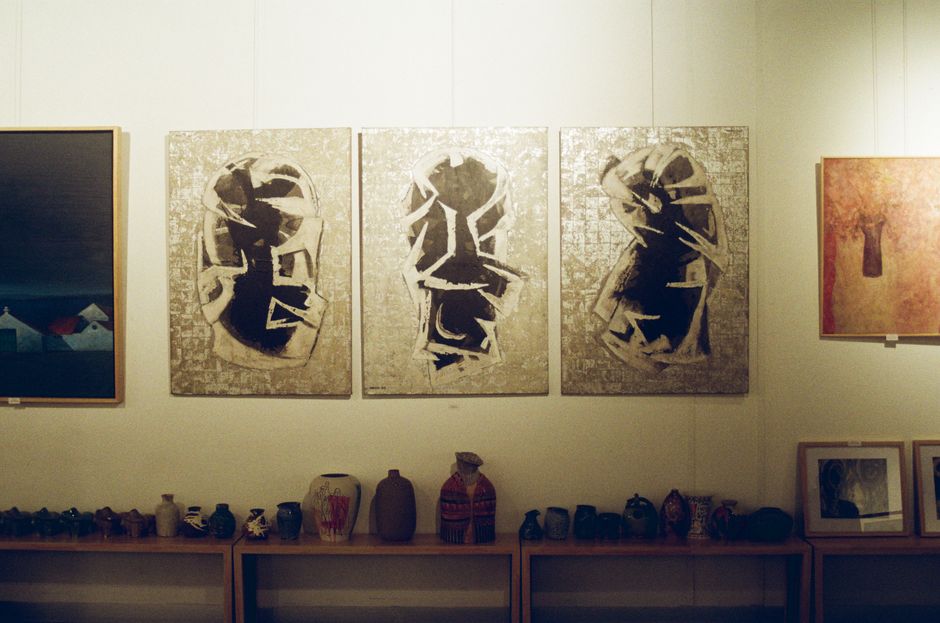
Walk through the Strand precinct on a Saturday afternoon and you'll witness something quietly revolutionary: a city actively painting its own future. The transformation of Townsville's street art districts over the past three years has become far more than aesthetic—it's fundamentally redefining how residents and visitors understand what this city is, and what it aspires to be.
The numbers tell part of the story. Since the Townsville Creative Precinct Initiative launched in 2024, over 120 murals have been commissioned across designated zones including the emerging Castle Hill creative corridor and the revitalised Palmer Street gallery district. Local council investment has reached $2.3 million, while private sector contributions now exceed that figure. But the real measure lies in cultural perception: surveys show that 67% of Townsville residents now cite public art and design culture as central to their city identity—a figure that was just 31% five years ago.
What makes Townsville's approach distinctive is its deliberate neighbourhood specificity. The gritty industrial aesthetic of the Jezzine Barracks precinct, traditionally warehoused and overlooked, has been activated by artists who've transformed blank concrete into layered narratives about labour, resilience, and community memory. Meanwhile, the Flinders Street laneways have become something altogether different: intimate gallery spaces where emerging designers test experimental work, from kinetic installations to collaborative photographic projects.
The Townsville Design District—anchored by the newly opened Creative Commons collaborative space near the waterfront—has become a genuine ecosystem. Studios, pop-up venues, and artist residencies now operate within a three-block radius, creating natural cross-pollination between street artists, graphic designers, photographers, and digital creators. Rent for artist studio space averages $180-220 weekly, significantly lower than comparable Australian cities, attracting talent from Brisbane and Sydney.
But perhaps most tellingly, these districts have become places where Townsville's character emerges unfiltered. The murals aren't corporate-commissioned feel-good imagery; they're genuine expressions of local concerns, celebrations, and identity. Street art here reflects a city grappling with its transition from industrial port town to cultural destination—and doing so with authentic voice rather than manufactured narrative.
By treating street art and design not as urban decoration but as cultural infrastructure, Townsville is answering a fundamental question about its future. The creative districts aren't separate from the city; they're becoming how the city speaks about itself. That's identity work at the most visceral level—and it's working.
This article was compiled by AI and screened before publishing. See our editorial standards.
About this article
Published by The Daily Townsville
Spread the word
Newsletter