Townsville's Festival Calendar Transforms City Identity Through Cultural EventsUpdated
As major cultural events reshape the urban landscape, Townsville is cementing its identity as a destination where creativity thrives amid economic transformation.
As major cultural events reshape the urban landscape, Townsville is cementing its identity as a destination where creativity thrives amid economic transformation.
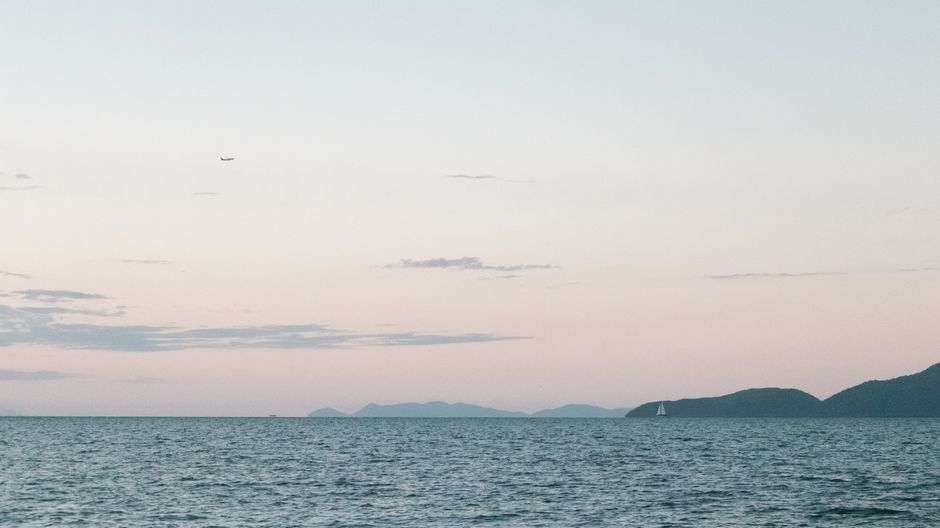
Walk through the Strand on any given weekend this season, and you'll encounter the unmistakable energy of a city actively constructing its cultural narrative. The revitalised waterfront precinct—once primarily a recreational zone—has become the epicentre of Townsville's most ambitious creative calendar in a decade, fundamentally shifting how residents and visitors perceive what this city represents.
The Townsville Cultural Festival (TowCulture), now in its fourth iteration, has grown from a modest three-day event into a six-week programme spanning September through October. This year's edition is expected to draw over 180,000 attendees, according to preliminary figures from the Townsville City Council Cultural Division. The economic impact alone—estimated at $47 million across hospitality, accommodation, and retail—tells only part of the story. What matters more is the visible transformation of cultural infrastructure across multiple neighbourhoods.
Stuart Street's revitalisation as a creative hub has been particularly striking. Once characterised by vintage architecture and underutilised heritage buildings, the precinct now houses four permanent artist collectives, two independent theatres, and the newly expanded Townsville Gallery of Contemporary Practice. The lane's famous street art program, which rotates quarterly, has attracted international muralists and created what locals call the "Instagram effect"—visibility that extends far beyond council promotion.
But the festivals aren't confined to traditional arts venues. The Townsville Music & Sound Festival, held across June and July, deliberately decentralises performances to neighbourhood pubs, church halls, and waterfront parks. The initiative reflects a philosophical shift: culture isn't something housed in institutions but embedded in community spaces where diverse audiences naturally gather.
This democratisation extends to participation rates. The emerging artists' grant programme—offering between $8,000 and $25,000 to local creators—received 320 applications this cycle, triple the number from 2024. The waiting list for studio spaces in converted industrial buildings on Palmer Street now stretches into 2027.
What's particularly telling is the demographic data. Townsville's 18-35 demographic, historically the segment most likely to relocate to larger coastal cities, is showing increased retention. The latest census correlation between cultural venue proximity and residential choice suggests festivals and permanent creative infrastructure are becoming decisive factors in migration patterns.
Critics note the risk of gentrification and displacement in formerly affordable neighbourhoods. Yet the city's approach—mandating affordable studio allocations and community benefit agreements for major developments—suggests institutional awareness of these tensions. Whether these safeguards hold as the momentum builds remains an open question, but for now, Townsville's festival calendar is doing more than entertaining. It's redefining identity itself.
This article was compiled by AI and screened before publishing. See our editorial standards.
About this article
Published by The Daily Townsville
Spread the word
Newsletter