Grassroots Voices Reshape Townsville's Heritage NarrativeUpdated
A coalition of local historians, artists and community groups is reclaiming overlooked stories that challenge traditional accounts of the city's past.
A coalition of local historians, artists and community groups is reclaiming overlooked stories that challenge traditional accounts of the city's past.
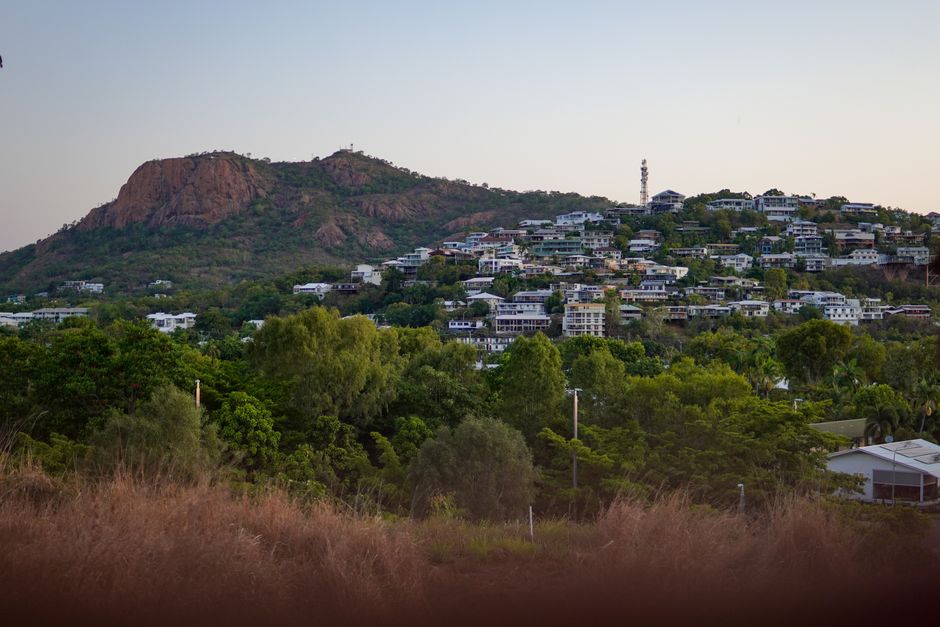
In the converted warehouse spaces along Denham Street, a quiet revolution is reshaping how Townsville understands itself. Over the past eighteen months, a network of community-led organisations has begun systematically documenting and elevating narratives that institutional histories have long marginalised—stories of Indigenous land stewardship, migrant labour networks, and working-class resilience that predate and underpin the city's modern identity.
The movement gained momentum when the Townsville Heritage Collective launched its digital archive in early 2025, combining oral histories, archival research, and community submissions. What began as a modest crowdfunding initiative—raising $34,000 from 287 local backers—has evolved into a comprehensive resource now accessed by over 8,000 users monthly. "We're not arguing against existing institutions," says the Collective's steering group in published materials. "We're asking: whose stories get told, and who decides?"
This shift is visible across neighbourhoods. In Garbutt, the newly restored Gulliver Street precinct now hosts monthly community heritage walks led by residents rather than curated professionals. Meanwhile, independent venue The Cutting House on Sturt Street has become an unexpected cultural hub, hosting exhibitions by emerging local artists exploring family migration patterns and industrial memory. Entry remains free, though voluntary donations have sustained operations since the venue opened eight months ago.
The movement reflects broader tensions about cultural ownership. A 2025 Townsville City Council survey found 64 percent of respondents felt local heritage institutions didn't adequately represent their family's contributions to the city. That disconnect sparked formation of at least six new community groups, from the Townsville Women's Labour History Project to the newer Voices of Diverse Arrivals initiative, each operating with minimal funding but considerable volunteer energy.
Academics have noticed. Dr James Chen from the University of Townsville published research in April documenting how community-led heritage work often uncovers material institutional archives miss. "These aren't untrained amateurs," Chen noted in his study. "They're people with intimate knowledge of their own histories, asking rigorous questions about representation and access."
Not everyone celebrates the shift unconritically. Some heritage professionals worry about evidentiary standards and accessibility when knowledge disperses across grassroots networks. Yet the Collective's advisory board—which includes museum curators and university historians—suggests collaborative rather than adversarial futures possible.
What's clear: Townsville's cultural identity is no longer shaped by institutions alone. It's increasingly a conversation between community members, each bringing evidence of how they've built this city. That democratic impulse itself represents a significant heritage shift—one worth documenting for future generations.
This article was compiled by AI and screened before publishing. See our editorial standards.
About this article
Published by The Daily Townsville
Spread the word
Newsletter