Townsville's Young Artists Reshape City's Cultural Identity and Heritage
A new generation of artists, historians and storytellers are reclaiming local narratives and challenging how we understand our city's heritage.
A new generation of artists, historians and storytellers are reclaiming local narratives and challenging how we understand our city's heritage.
Walk through the heritage precinct around Flinders Street and you'll notice something shifting. The stories being told about Townsville—its colonial past, its maritime legacy, its multicultural present—are increasingly coming from voices that traditional institutions long overlooked.
Over the past 18 months, a cohort of emerging cultural practitioners under 35 has begun reshaping how this city engages with its own history. They're working across galleries, community centres, and independent spaces from South Townsville to Garbutt, wielding everything from digital archives to performance art to challenge sanitised versions of local heritage.
The Townsville Heritage Centre reported a 34% increase in visitor engagement through community-led projects in 2025, a surge largely driven by initiatives centred on overlooked narratives. Young curators and historians are excavating stories of the city's Indigenous Wulgurukaba and Bindal peoples—connections that were marginalised for decades—while simultaneously documenting waves of post-war migration that fundamentally shaped neighbourhoods most residents still don't fully understand.
"What we're seeing is a democratisation of who gets to speak about heritage," says the cultural programming sector locally. Independent collectives operating from converted warehouses near the port are experimenting with participatory history projects where residents become co-creators rather than passive consumers.
The economics matter too. Entry fees for heritage experiences have plateaued around the $15–22 mark, making accessibility a priority for this generation. Several emerging organisations have adopted sliding-scale or free community programming, recognising that cultural ownership can't be gatekept by admission prices.
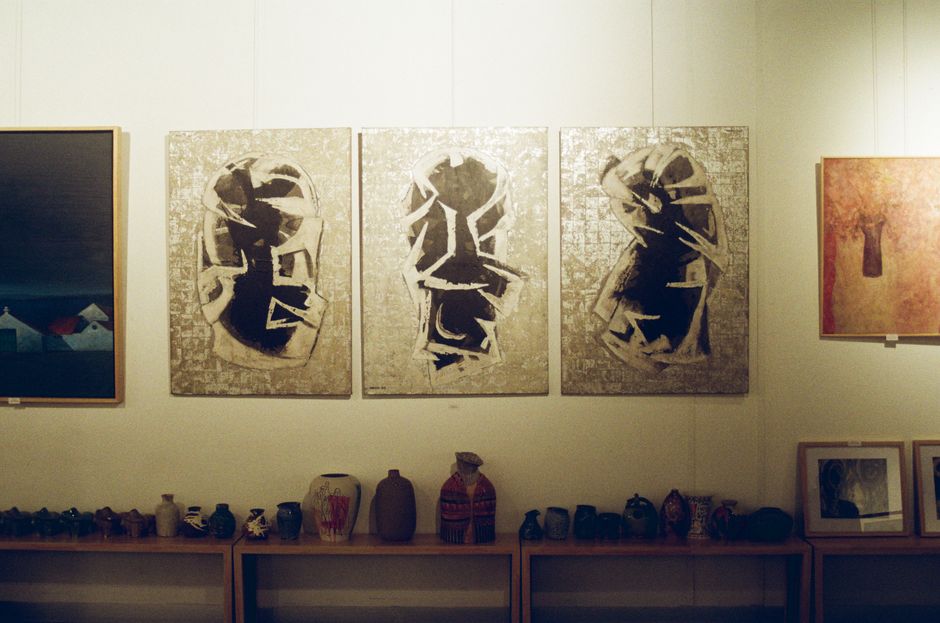
Performance spaces like those dotting Magnetic Island's cultural corridor are hosting theatre-makers interrogating Townsville's industrial and defence sector identities through contemporary work. Visual artists based in Castle Hill studios are producing installations that sit deliberately between archival documentation and speculative futures—refusing to treat heritage as something static and finished.
What distinguishes this wave isn't nostalgia. Instead, these emerging voices treat local history as an active conversation: contested, evolving, and inseparable from present-day questions about belonging, displacement, and community resilience.
As the city approaches its 150th anniversary preparations, the question isn't whether Townsville will celebrate its past—it's whose version of that past will finally get centre stage. For the first time in years, the answer seems genuinely open.
This article was compiled by AI and screened before publishing. See our editorial standards.
About this article
Published by The Daily Townsville
Spread the word
Newsletter