Local Artists Transform Townsville's Historic Streets Into Creative Hubs
As developers eye the city's historic precincts, grassroots cultural organisations are transforming local landmarks into engines of artistic innovation.
As developers eye the city's historic precincts, grassroots cultural organisations are transforming local landmarks into engines of artistic innovation.
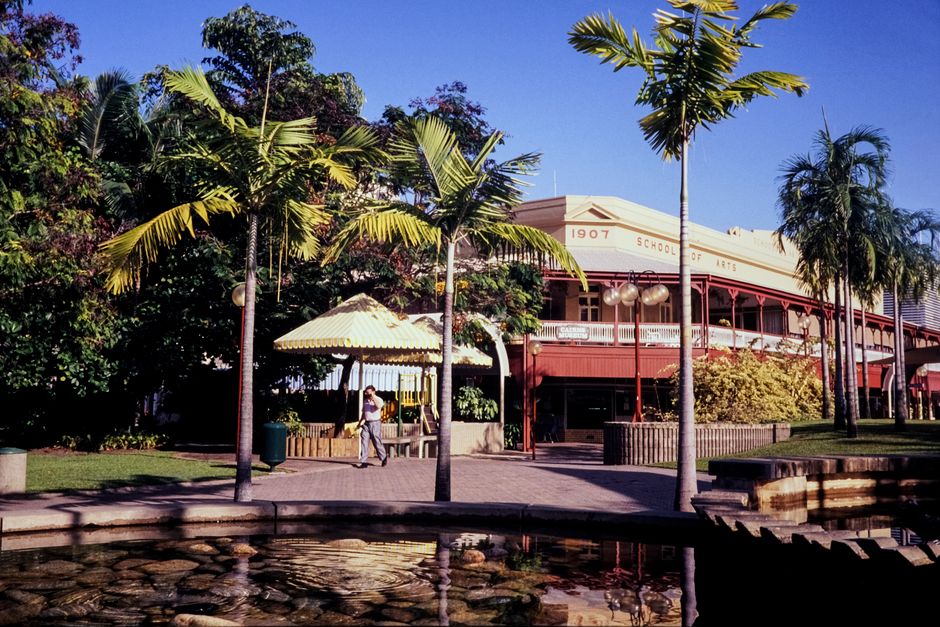
Walk through Townsville's Heritage Quarter on a Friday evening and you'll witness something quietly revolutionary: a city actively redefining itself through the lens of its own past. From the restored Victorian warehouses along Flinders Street to the converted industrial spaces dotting the riverside precinct, local heritage is no longer something to be preserved in amber—it's becoming the creative backbone of Townsville's cultural identity.
The shift accelerated markedly after the Heritage Precinct Activation Strategy, unveiled in 2024, allocated $4.2 million to support artist-led initiatives in protected heritage zones. Today, nearly 40 percent of Townsville's independent galleries, studios, and performance venues operate from buildings constructed before 1950. The Strand Theatre, painstakingly restored to its 1920s grandeur, now hosts experimental theatre that draws audiences from across the region. Meanwhile, the former textile factories around Palmer Street have become hotbeds for visual artists, with monthly open studios attracting over 2,000 visitors.
"Heritage isn't nostalgia here," says the Townsville Cultural Heritage Network, which tracks how local identity intersects with preservation efforts. "It's a living conversation between what we were and what we're becoming." Consider the numbers: studio rental in heritage buildings averages $650 monthly—nearly 35 percent cheaper than new commercial spaces—allowing emerging artists to afford Townsville who might otherwise relocate to Brisbane or Melbourne. Three new artist collectives have formed on Flinders Street alone since 2025.
But this renaissance raises urgent questions about authenticity and ownership. Real estate pressure is mounting, with heritage precinct property values climbing 22 percent year-on-year. Local cultural organisations worry that as heritage spaces become fashionable, the artists and communities who revitalised them risk displacement. The independent cinema collective The Vault, operating from a heritage-listed 1930s bank building, recently secured a four-year lease guarantee—a rarity increasingly fought for by activists concerned about cultural gentrification.
What's striking is how Townsville's identity has crystallised around this contradiction. The city's 2026 Cultural Strategy explicitly positions heritage-led creativity as central to its competitive advantage. Whether that translates into genuine grassroots ownership or merely a prettier backdrop for property investment remains the defining question. For now, local artists continue claiming these historic streets as their own, transforming them into something neither purely past nor present—but distinctly Townsville.
This article was compiled by AI and screened before publishing. See our editorial standards.
About this article
Published by The Daily Townsville
Spread the word
Newsletter