From Isolation to Inclusion: How Townsville's Food Movement is Reshaping Community ConnectionUpdated
A grassroots wave of inclusive dining spaces and collaborative kitchens is transforming how residents eat, gather, and belong.
A grassroots wave of inclusive dining spaces and collaborative kitchens is transforming how residents eat, gather, and belong.
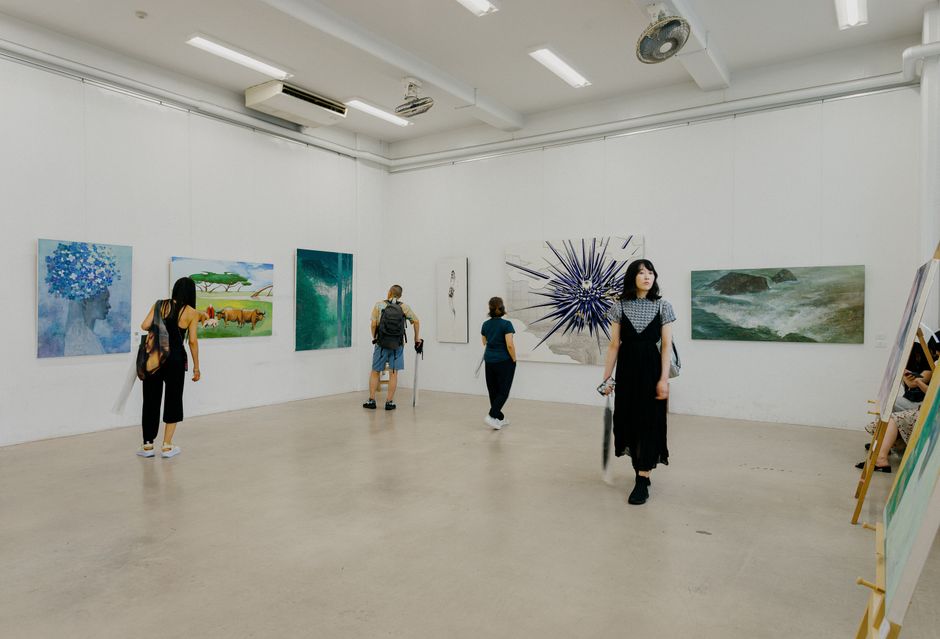
Walk down Palmer Street on any Thursday evening and you'll witness something quietly revolutionary: queues forming outside modest storefronts, strangers sharing tables, conversations spanning three languages. This isn't accident—it's the visible heart of a movement that has fundamentally reshaped Townsville's relationship with food and community over the past eighteen months.
The shift began modestly. Local organisations including the Townsville Community Food Network and independent restaurateurs noticed a pattern: traditional dining was becoming increasingly isolated. COVID-era habits persisted. Neighbourhoods felt fragmented. In response, a coalition of chefs, social entrepreneurs, and residents began experimenting with what they call "connective dining"—spaces designed explicitly to foster interaction across demographic lines.
The Strand precinct has become ground zero for this movement. Three new venues—each independently operated but loosely aligned through informal networks—now anchor the area. Average meal costs hover between $16–28, deliberately pitched to remain accessible. More significantly, each has implemented "community tables," long wooden surfaces where solo diners sit alongside families and groups, eliminating the psychological barrier of eating alone in public.
Data tells the story. A preliminary survey by Townsville City Council's Cultural Affairs division found that 64% of respondents at these venues reported feeling "strongly connected" to their neighbourhood compared to 41% citywide. Repeat visitation at participating restaurants runs 23% higher than traditional establishments. The Economic Development Authority estimates the movement now represents roughly $12 million in annual turnover across forty-three venues.
What distinguishes this from conventional hospitality is intentionality. The Townsville Food Collective—a non-profit coordinating body established in 2024—provides free training in culturally responsive service, conflict de-escalation, and accessibility design. Member venues actively recruit staff from underrepresented backgrounds. Kitchen rotas are displayed publicly, celebrating the diversity of their teams.
Street-level change has attracted institutional attention. The Townsville Chamber of Commerce now runs a "Connection Standard" certification programme. Several venues have expanded into adjacent spaces, responding to overflow demand. More tellingly, established fine-dining restaurants along The Strand have adopted hybrid models, introducing communal seating areas alongside traditional service.
Perhaps most significantly, this movement has catalysed unexpected collaborations. The Townsville Arts Centre recently partnered with three restaurants to create a "Dining and Dialogue" series pairing meals with live performance. Community centres are exploring kitchen-sharing models.
Townsville's food culture isn't simply becoming more diverse—it's becoming more democratic, more intentional about belonging. And residents are eating it up.
This article was compiled by AI and screened before publishing. See our editorial standards.
About this article
Published by The Daily Townsville
Spread the word
Newsletter