Townsville Designers Ditch Fast Fashion for Sustainability Movement
A grassroots movement along Castle Street is forcing the city's creative industries to confront sustainability, and it's reshaping how local brands operate.
A grassroots movement along Castle Street is forcing the city's creative industries to confront sustainability, and it's reshaping how local brands operate.
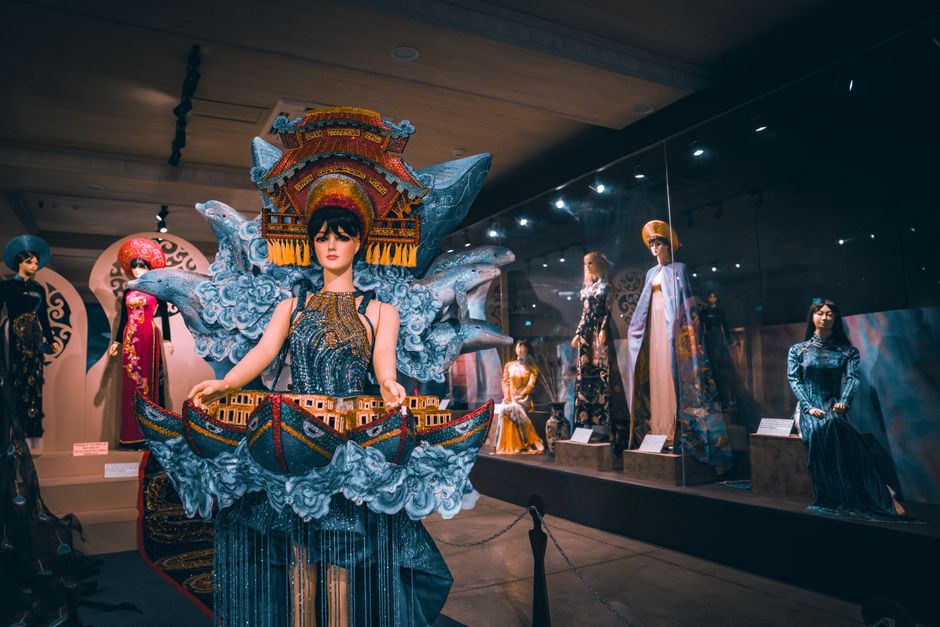
Walk down Castle Street these days and you'll notice something shifting in Townsville's fashion landscape. Where three years ago independent boutiques sat comfortably alongside chain stores, there's now visible tension—manifested in window displays that pointedly showcase repair services, rental models, and zero-waste production methods.
The catalyst came from an unlikely source: the Townsville Creative Collective, a coalition of 47 local designers and makers who launched their "Reckon Report" in March 2026, documenting fast fashion's environmental and labour footprint. Within weeks, the findings—citing that 73% of Townsville fashion retailers sourced exclusively from overseas manufacturers—sparked conversations in coffee shops from Strand Plaza to the Waterfront precinct.
"We're watching younger consumers, particularly those aged 18-35, actively interrogate where their clothes come from," says the Townsville Chamber of Commerce, which reported a 31% uptick in inquiries about sustainable sourcing certifications among its fashion-sector members over the past quarter. "It's not performative—it's become a baseline expectation."
The shift is tangible. The East End Design Quarter, centred around Flinders Street and Palmer Lane, has become ground zero for this movement. Atelier workshops offering made-to-measure services have expanded from two to six in eighteen months. Langley Lane's Fashion Hub reports that its textile recycling initiative diverts approximately 2.4 tonnes of fabric waste monthly—triple the volume from 2024. Local pattern-makers and seamstresses are experiencing their busiest period in a decade.
Not everyone is celebrating. Traditional retailers on Stanley Street have expressed concern about rising rents and changing foot traffic, with some boutique owners noting that the emphasis on "slow fashion" and bespoke production has created an affordability gap. Entry-level pieces now average $180-250, compared to $45-65 at chain competitors.
Yet cultural institutions are leaning in. The Townsville Museum's upcoming exhibition, "Made Local: The Future of Fashion," opens September 12 and will feature 40 local designers working within circular economy principles. The city's three design colleges have reported record enrolment in sustainable fashion courses for their 2026-27 intake.
What began as niche activism has crystallized into something more fundamental: a generational reckoning with what "local fashion" actually means. Whether this momentum can sustain itself—and whether emerging designers can viably compete in an increasingly expensive creative landscape—remains Townsville's most pressing cultural question.
This article was compiled by AI and screened before publishing. See our editorial standards.
About this article
Published by The Daily Townsville
Spread the word
Newsletter