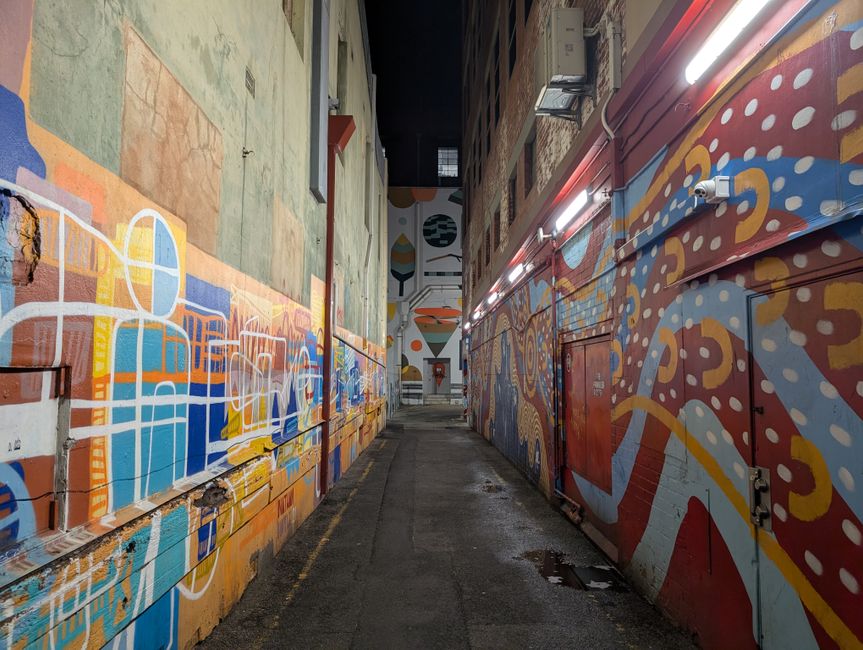
From Blank Walls to Bold Vision: The Community Movement Reshaping Townsville's Street Art Districts
Grassroots collectives and local artists are transforming forgotten neighbourhoods into open-air galleries, proving that creative placemaking starts with people, not planning committees.
Walk down Flinders Street East these days and you'll struggle to find a bare wall. What was, five years ago, a stretch of industrial neglect has become Townsville's most vibrant street art corridor—a transformation driven not by city council mandates, but by a determined community of artists and local business owners who believed the neighbourhood deserved colour.
The shift accelerated dramatically in 2023 when the Strand District Collective, a grassroots organisation of 40-plus artists, launched their "Walls to Canvas" initiative. Rather than waiting for formal approval, they began engaging directly with property owners—securing commitments from over 200 building facades by 2025. Today, the Strand district alone generates an estimated $2.3 million in annual foot traffic, with new cafés, galleries, and studios opening monthly.
"People underestimate how much placemaking depends on permission and relationship-building," says the Strand District Collective in their recent community report. What started as weekend painting sessions has evolved into a structured mentorship programme: established muralists guide emerging street artists through the practical and legal realities of public art creation.
But this movement extends beyond Flinders Street. In West End, the Palmer Street Precinct has become a laboratory for community-engaged design. Local secondary schools now contribute works as part of curriculum partnerships, creating intergenerational dialogue about public space. Property values in West End rose 18 percent between 2023 and 2025—a correlation the community credits partly to cultural vibrancy, though gentrification concerns are mounting.
The economics are impossible to ignore. Townsville's street art tourism has generated approximately $4.1 million in secondary spending, according to the Townsville Cultural Council's 2025 survey. Walking tours operated by three locally-owned companies now run daily, and social media posts tagged #TownsvilleMurals exceed 50,000 monthly.
Yet the movement faces critical questions about sustainability and inclusivity. Rental costs for studio spaces near popular art districts have climbed 23 percent since 2023, potentially pricing out the working-class artists whose energy created these spaces. Some established street artists worry that corporate brands are increasingly commissioning murals, shifting the narrative from rebellion to branding exercise.
The real story, however, remains rooted in community determination. From the Riverside Collective's workshops to Palmer Street's neighbourhood design forums, this cultural shift reflects something deeper than aesthetic renovation. It's proof that when residents believe their city belongs to them—that walls are canvases waiting for their voice—transformation follows.
This article was compiled by AI and screened before publishing. See our editorial standards.