Townsville's Theatre District Faces Reckoning as Venues Navigate Post-Pandemic EconomicsUpdated
Rising costs and changing audience habits are forcing difficult decisions at beloved cultural institutions across the city's performing arts heartland.
Rising costs and changing audience habits are forcing difficult decisions at beloved cultural institutions across the city's performing arts heartland.
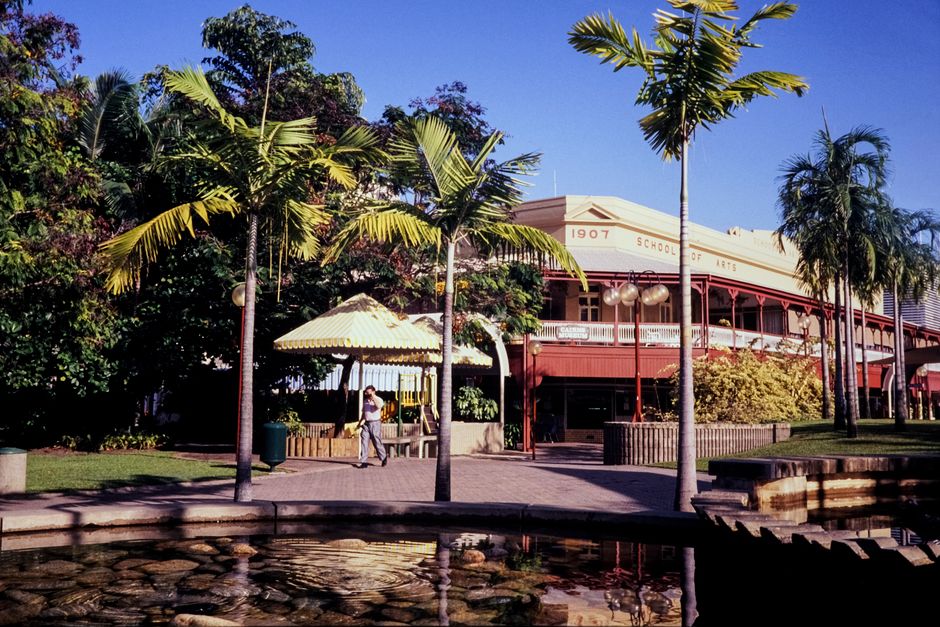
Walk down Flinders Street any evening this month, and you'll notice something different. The marquees outside the Townsville Civic Theatre and smaller venues like the Playhouse on Sturt remain lit, but the conversation happening in arts circles—and increasingly among regular theatre-goers—centres on an uncomfortable truth: the city's performing arts ecosystem is under genuine strain.
Box office revenue across Townsville's major venues has plateaued this year, hovering around 68 percent capacity on average, according to industry sources tracking the regional performing arts sector. That's a sharp contrast to the post-lockdown surge of 2024-2025, when pent-up demand for live performance drove occupancy into the mid-80s. Meanwhile, operating costs have climbed steadily. A single production at a mid-sized Townsville venue now runs roughly 15-20 percent higher than three years ago.
The implications ripple through neighbourhoods like the cultural precinct around Palmer Street, where smaller independent theatres and black-box venues have become crucial incubators for local artists. Several companies that occupied affordable studio spaces have relocated or scaled back operations. Community theatre groups—historically the backbone of Townsville's grassroots arts culture—report membership declining by up to 30 percent in some cases.
Yet the story isn't entirely one of contraction. A notable shift toward mixed-media productions and collaboration between theatre, dance, and visual art suggests venues are adapting strategically. The Townsville Dance Collective's recent partnership with local filmmakers on experimental hybrid work drew strong audiences, signalling appetite for boundary-pushing work even in uncertain times. Ticket prices have risen modestly—general admission at major venues now ranges from $42-$65, up from the $35-$50 range two years ago—but creative programming appears to be compensating.
What's truly animating local conversation, though, is the broader question of cultural sustainability in a city competing for entertainment dollars against streaming services and regional touring shows. Arts administrators speak privately of needing to make tough choices about which productions justify the investment, which seasons to scale, and whether the traditional theatre model can survive the next five years without significant intervention.
As Townsville's summer season approaches, venues are banking on school holidays to drive attendance. The next few months will reveal whether audiences' appetite for live performance remains resilient—and whether the city's cultural institutions can find new economic models to thrive. What happens here will matter not just for the theatres themselves, but for the artists and communities that depend on them.
This article was compiled by AI and screened before publishing. See our editorial standards.
About this article
Published by The Daily Townsville
Spread the word
Newsletter