From Silent Reels to Digital Dreams: How Townsville's Theatre and Film Scene Transformed in Five Decades
A journey through the venues, artists, and audiences that shaped Townsville's performing arts landscape from the 1970s to today.
A journey through the venues, artists, and audiences that shaped Townsville's performing arts landscape from the 1970s to today.
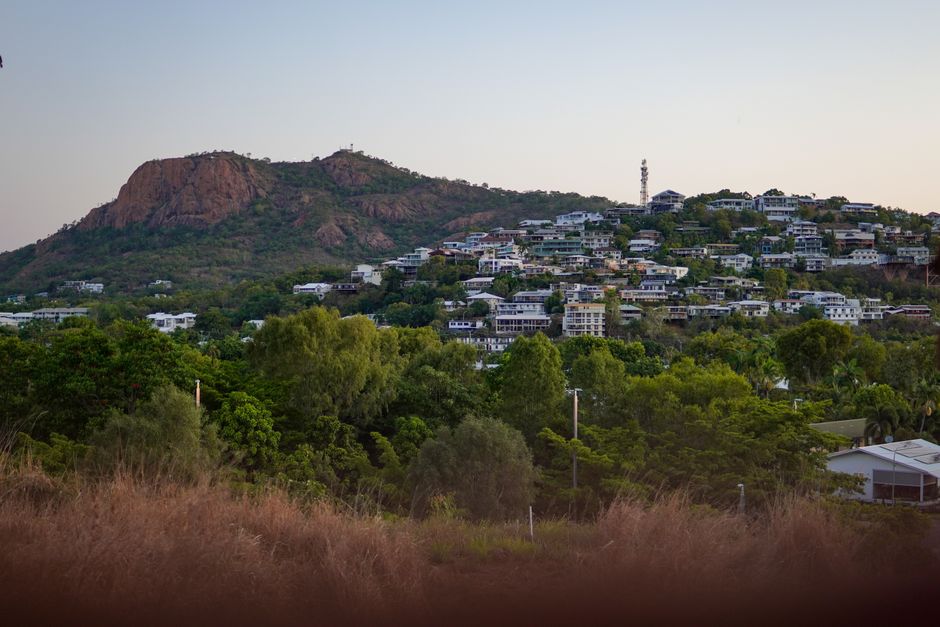
Townsville's cultural heartbeat has always pulsed through its theatres and cinemas. What began as a modest network of picture houses along Flinders Street has evolved into a sophisticated ecosystem of independent venues, experimental spaces, and major performance halls that now attract regional and international talent.
The transformation started in earnest during the 1980s, when the Civic Theatre on Sturt Street underwent its first major renovation, transitioning from a cinema-only operation to a dual-purpose venue hosting both film screenings and live theatre productions. That decision proved pivotal. By the early 1990s, the Civic had become synonymous with local theatre-making, launching careers of performers who would later work across Australian stages.
The late 1990s brought technological upheaval. Multiplex cinemas on the outskirts threatened traditional inner-city picture houses. Several closed permanently, including the historic Plaza on Denham Street. Yet rather than decline, Townsville's performing arts sector adapted. Independent operators like the Strand Theatre in South Townsville began curating eclectic programming—independent films, live music, comedy nights—creating loyalty among audiences seeking alternatives to corporate chains.
Today's landscape reflects this resilience. The Townsville Performing Arts Centre, which opened in 2004, anchors the city's cultural infrastructure with a 1,400-seat main theatre and flexible studio spaces. It hosts approximately 120 performances annually, drawing audiences from across North Queensland. Meanwhile, grassroots venues like the Workshop Theatre Collective near Magnetic Island have fostered experimental work, with ticket prices deliberately kept between $15-25 to remain accessible.
The independent cinema sector has particularly flourished. The Screenspace Collective, established in 2018 in a heritage building on Flinders Lane, now programs 40-50 films monthly, blending international cinema with local documentary work. Its success mirrors a national trend: audiences increasingly value curated, community-focused experiences over passive consumption.
What distinguishes Townsville's evolution is its integration of visual and performing arts. Theatre companies collaborate with film practitioners. Playwrights develop work alongside documentarians. This cross-pollination reflects demographic shifts—younger audiences demanding hybrid experiences—and the practical reality of maintaining viable organisations in a regional market.
From silent reels to digital projection, from gilt-edged cinema palaces to intimate black-box studios, Townsville's performing arts sector has weathered disruption through innovation and community commitment. Today, it stands as a model for how regional cities can sustain vibrant cultural ecosystems when venues prioritise artistic risk-taking over predictable returns.
This article was compiled by AI and screened before publishing. See our editorial standards.
About this article
Published by The Daily Townsville
Spread the word
Newsletter