Townsville's tourism boom creates windfall for early movers in visitor economy
As international arrivals surge, accommodation providers, hospitality operators and attraction owners are capitalizing on a once-in-a-generation opportunity.
As international arrivals surge, accommodation providers, hospitality operators and attraction owners are capitalizing on a once-in-a-generation opportunity.
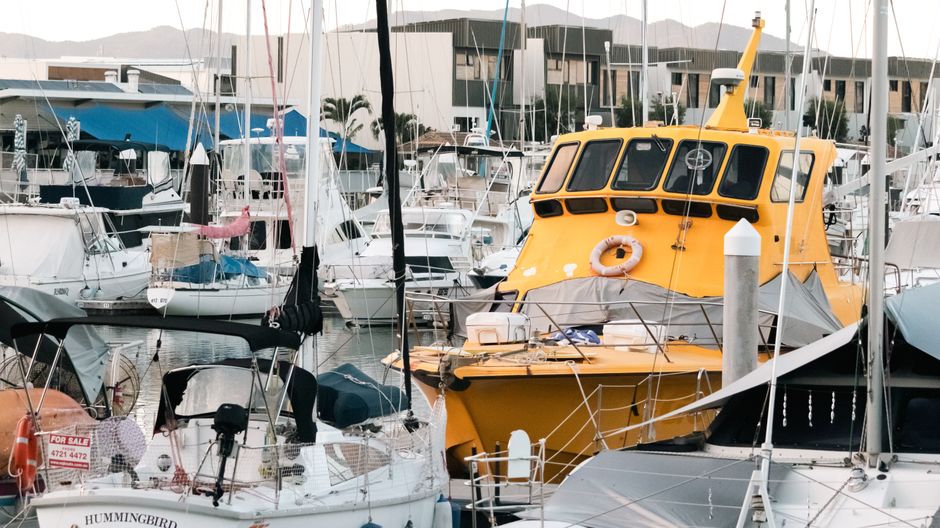
Townsville's visitor economy is entering a transformational phase, with early data suggesting the city is capturing a meaningful share of Australia's record-breaking international tourism recovery. Latest figures indicate visitor nights have climbed 34 per cent year-on-year, positioning the city as one of the nation's fastest-growing regional destinations.
The beneficiaries are already visible across the CBD and waterfront precinct. Boutique hotels along Flinders Street East are reporting occupancy rates exceeding 85 per cent during peak season, while serviced apartment operators in the CBD report extended booking cycles that have stretched average stays from three to five nights. A five-star beachfront resort near Strand Avenue has expanded its food and beverage operations by 40 per cent to meet demand.
"We're seeing two distinct visitor cohorts," explains a senior manager at Tourism Townsville, the city's official destination marketing organisation. "Asian visitors arriving on direct flights from Singapore and Shanghai, typically spending five to seven days exploring the Great Barrier Reef and hinterland. And a secondary wave of domestic visitors from southern capitals rediscovering regional Queensland."
The Great Barrier Reef Centre, Billabong Sanctuary, and day-tour operators based at Breakwater Terminal are experiencing record throughput. Charter boat operators report 95 per cent booking weeks in advance, with reef tours commanding premium pricing—typically $180–$220 per adult for full-day excursions.
Hospitality venues in the historic quarters are equally buoyant. Venues along Palmer Street and around the Strand precinct report food and beverage revenues up 28 per cent, driven largely by international visitors seeking authentic local experiences. Craft breweries and casual dining establishments have extended operating hours and hired additional staff to manage demand.
Property developers have taken notice. Several approved hospitality development applications suggest another 400 hotel rooms could enter the market by 2028, targeting mid-range and luxury segments. Retail vacancy rates in the CBD have compressed to 7.2 per cent, down from 11 per cent two years ago.
However, capacity constraints are emerging. Peak-season congestion at popular attractions, accommodation shortages during school holidays, and transport bottlenecks at the airport suggest the window for new entrants to capture market share may be narrowing. Industry observers suggest operators willing to invest in niche experiences—guided cultural tours, adventure packages, culinary experiences—are positioning themselves most effectively for sustained growth beyond the initial tourism surge.
This article was compiled by AI and screened before publishing. See our editorial standards.
About this article
Published by The Daily Townsville
Spread the word
Newsletter