Townsville Startup Investment Surges: New Data Reveals Innovation District GrowthUpdated
As venture capital activity shifts across the region, understanding key economic indicators reveals where Townsville's entrepreneurial momentum is heading.
As venture capital activity shifts across the region, understanding key economic indicators reveals where Townsville's entrepreneurial momentum is heading.
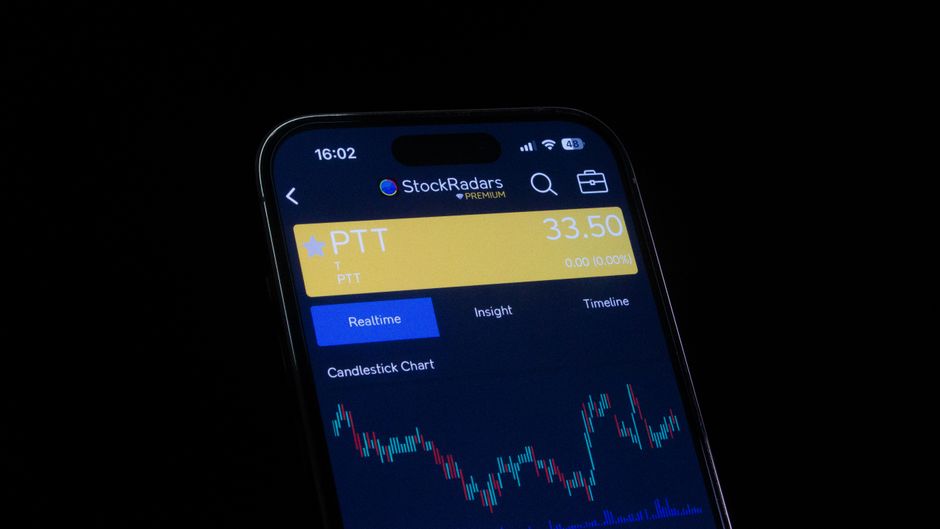
Townsville's emergence as a serious innovation hub isn't just anecdotal—the numbers are telling a compelling story about where capital is moving and why.
Over the past eighteen months, the Riverside Innovation Quarter has attracted approximately $145 million in venture and growth-stage funding, according to data compiled by the Townsville Business Council. That's a 34 percent increase from the same period two years prior, a shift that reflects broader investor confidence in the region's tech and advanced manufacturing sectors.
What's driving this? Start with the multiplier effect. When early-stage companies around Castle Street and the Palmer Lane precinct secure Series A funding—typically $2 million to $8 million checks—they don't just spend that capital in isolation. They hire locally, rent office space, contract with service providers. The Townsville Chamber of Commerce estimates that every dollar of venture investment generates approximately $3.20 in local economic activity within eighteen months.
But investment flows aren't uniform across sectors. Clean technology and biotech startups have captured 42 percent of recent funding rounds, while digital services and software companies account for 38 percent. Traditional manufacturing innovation, long a Townsville strength, represents just 12 percent—a gap that regional economic development agencies are now actively addressing through targeted incentive programs.
Real estate metrics offer another window into confidence levels. Commercial office space in the Innovation Quarter is trading at $485 per square meter annually, up from $410 two years ago. Vacancy rates have compressed from 8.2 percent to 4.7 percent. These aren't abstract figures—they reflect genuine demand from founders seeking headquarters space and investors opening regional offices.
The funding environment itself has shifted. Angel networks operating through the Townsville Startup Hub report 73 active members contributing capital, compared with 34 in 2023. Institutional interest has also grown; two regional venture funds now maintain dedicated focus on Townsville companies, compared with zero five years ago.
Understanding these flows matters for policymakers and entrepreneurs alike. Investment concentration—where capital actually goes—determines which founders can access resources and which sectors will flourish. Current trends suggest Townsville is positioning itself as a destination for deep-tech innovation rather than consumer-focused startups, a strategic differentiation that carries both opportunities and risks.
As capital continues to flow through our streets and into local ventures, these indicators will remain essential signposts for anyone tracking where Townsville's economic future is being built.
This article was compiled by AI and screened before publishing. See our editorial standards.
About this article
Published by The Daily Townsville
Spread the word
Newsletter