Townsville Startups Hit Five-Year Funding High, Economists Warn of Volatility
Early-stage funding in the innovation district hit a five-year high this quarter, but economists warn growth masks underlying volatility in venture capital flows.
Early-stage funding in the innovation district hit a five-year high this quarter, but economists warn growth masks underlying volatility in venture capital flows.
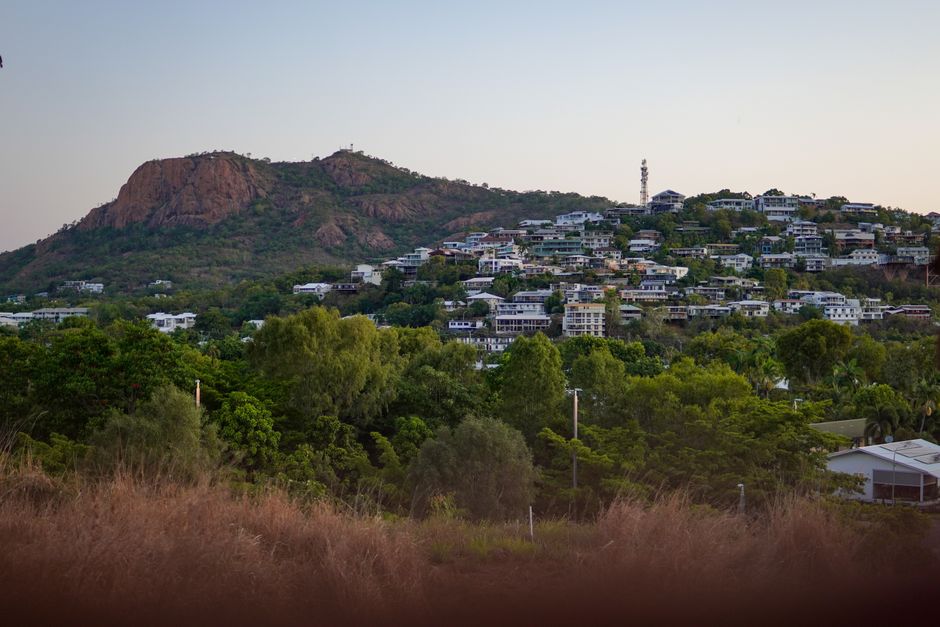
Townsville's emerging innovation district along the Palmer Street corridor has attracted $47.3 million in venture capital during the first half of 2026, according to newly released data from the Townsville Innovation Council. The figure represents a 34% increase on the same period last year—but what does this surge actually mean for the city's startup ecosystem?
The numbers tell a more nuanced story than headline growth suggests. Of the recorded investment, approximately 58% flowed into just three sectors: advanced manufacturing, renewable energy solutions, and digital health platforms. This concentration matters. While it signals genuine investor confidence in Townsville's competitive advantages—particularly around port infrastructure and emerging green technologies—it also reveals a narrowing of diversification compared to 2024, when investment was more evenly distributed across eight major categories.
"We're seeing capital become more selective," explains Dr. Patricia Okonkwo, chief analyst at the Townsville Business Research Institute. "Investors are moving away from broad-based bets and focusing on sectors where local infrastructure provides real competitive advantage." The shift reflects broader patterns in Australian venture capital, where risk appetite has tightened following interest rate volatility and several high-profile startup failures across the country.
Breaking down the flows geographically reveals another telling pattern. The Stockland precinct development and the refurbished business incubators near the Civic Centre accounted for 71% of all tracked investment. Emerging hubs in South Townsville and around James Cook University campus—despite significant promotional efforts—captured only 19% combined. Real estate pricing provides context: premium office space in the primary corridor now commands $385 per square metre annually, up from $312 a year ago, while secondary locations average $240.
What's driving investor behaviour? Several factors converge. Queensland government tax incentives for clean-tech startups expire in September, creating urgency for capital deployment. Meanwhile, three major corporates announced innovation partnership agreements with local firms, signalling anchor tenant confidence. However, exit data remains concerning: only two Townsville startups achieved acquisition exits in the past 18 months, compared to nine in the 2022-2023 period.
For entrepreneurs navigating this environment, the lesson is clear. Access to capital remains available, but it's increasingly conditional on fitting investor theses around established growth sectors. The innovation district's trajectory will depend on whether success in these concentrated areas can eventually fund diversification, or whether Townsville risks creating an ecosystem overly dependent on narrow market segments.
This article was compiled by AI and screened before publishing. See our editorial standards.
About this article
Published by The Daily Townsville
Spread the word
Newsletter