Global Instability Takes Real Toll on Townsville's Tourism Economy
As geopolitical tensions reshape travel patterns worldwide, local hospitality operators warn that fewer international visitors are choosing our city.
As geopolitical tensions reshape travel patterns worldwide, local hospitality operators warn that fewer international visitors are choosing our city.
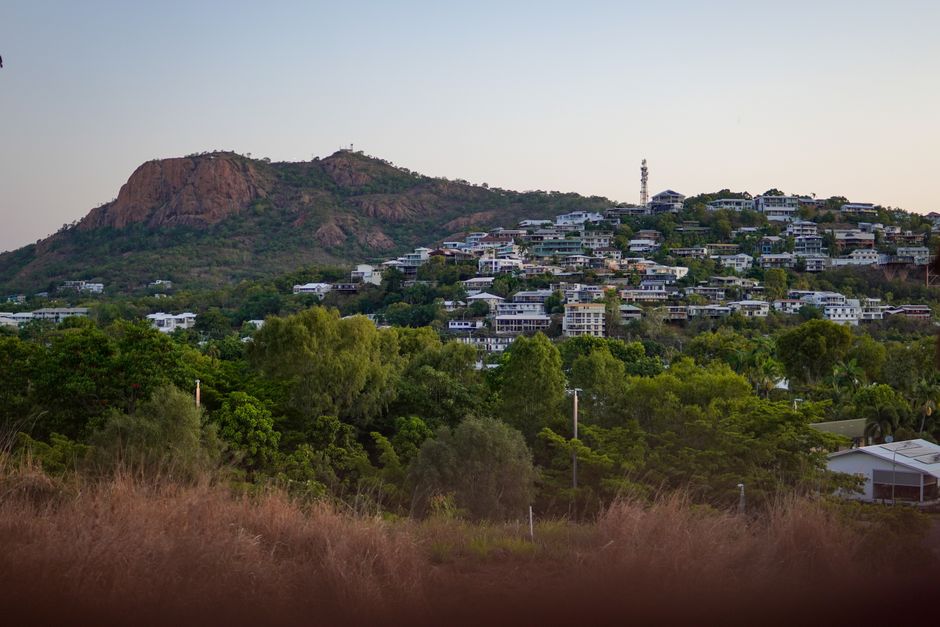
Townsville's visitor economy faces headwinds that extend far beyond our coastline. As conflict, political instability, and economic uncertainty grip major source markets, hoteliers, restaurant owners, and tour operators report a noticeable dip in international arrivals—with real consequences for local employment and business growth.
The numbers tell the story. Hotels along Flinders Street report occupancy rates down 12 percent year-on-year for European visitors, while Asian bookings—traditionally our strongest segment—have softened as regional tensions persist. The Townsville Convention Bureau estimates the city welcomed 890,000 international visitors in 2025; projections for 2026 suggest that figure could slip below 800,000 if current travel hesitancy continues.
"People are reconsidering where they travel," says one operator at a major South Bank venue. "Uncertainty makes families delay bookings. We're seeing cancellations from Eastern Europe, and Middle Eastern visitors are choosing safer perceived destinations."
The ripple effects are immediate. Premium dining precincts along Palmer Street report reduced covers during peak season. Magnetic Island tour operators have trimmed schedules. Even the bustling night-time economy around Flinders Street and Stokes Street—traditionally buoyed by international conference delegates and leisure travellers—shows softer demand. The Great Barrier Reef tour sector, which generates substantial revenue for local operators, faces booking pressure as Australian travel rebounds faster than inbound international visitation.
Staff retention has emerged as a secondary concern. Hospitality workers, seeing reduced hours and commission opportunities, are relocating to competing destinations with steadier visitor flows. Several Townsville venues have frozen recruitment despite seasonal needs.
However, industry leaders emphasise opportunity within the challenge. Domestic tourism remains resilient—Australians are holidaying closer to home—and Townsville's natural assets remain compelling. Investment in conference infrastructure and targeted marketing toward stable, nearby regions (particularly New Zealand and Southeast Asia) may offset losses from volatile source markets.
The Port Authority and local tourism board are exploring partnerships with airlines to strengthen regional connectivity, betting that easier access could counterbalance global volatility's impact on visitor numbers.
"We're in a global system," notes a local hospitality advocacy representative. "Our recovery depends partly on stability we can't control. But Townsville's fundamentals—our reef access, climate, and infrastructure—remain strong. The question is whether we can capture available demand before competitors do."
For now, local businesses are adapting: smaller margins, creative pricing, and closer attention to domestic traveller needs. How long that strategy sustains growth remains uncertain.
This article was compiled by AI and screened before publishing. See our editorial standards.
About this article
Published by The Daily Townsville
Spread the word
Newsletter