Townsville's Office Market at a Crossroads: What Businesses Need to Know Right NowUpdated
Rising vacancy rates and shifting tenant demands are reshaping the commercial landscape across the CBD and emerging precincts.
Rising vacancy rates and shifting tenant demands are reshaping the commercial landscape across the CBD and emerging precincts.
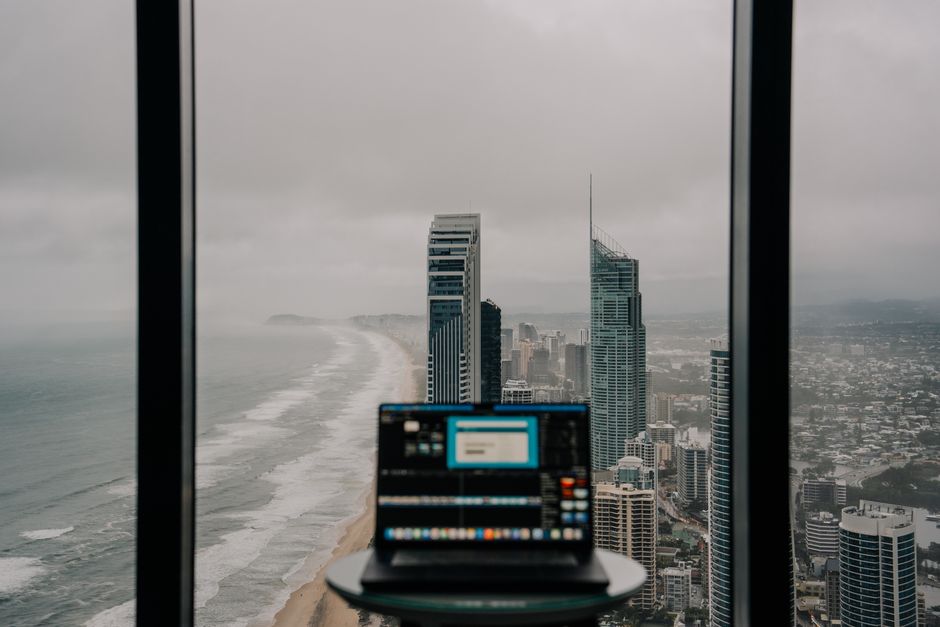
Townsville's commercial property market is experiencing a significant recalibration. After years of steady growth, office vacancy rates have climbed to 12.3% across the CBD—the highest in five years—according to preliminary data from local commercial agents tracking activity on Flinders Street and the South Bank precinct.
The shift reflects broader economic uncertainties rippling through Australia's regions. While multinational corporate tenants remain anchored in premium Grade A buildings near Townsville waterfront, mid-tier businesses are reassessing their real estate strategies. Lease renewals in the Ross Creek and North Ward corridors are taking longer to negotiate, with tenants increasingly demanding flexibility clauses and hybrid-work arrangements built into longer contracts.
"We're seeing a two-speed market," says the consensus among local commercial agents. Premium properties with modern amenities continue commanding strong interest, while older stock struggles to attract committed long-term tenants. Average office rents in the CBD remain stable at approximately $280–$320 per square metre annually, but incentive packages—such as rent-free periods and fit-out contributions—have become standard negotiating points.
The implications for business leaders are clear. Companies planning expansion or relocation should expect genuine negotiating power they may not have wielded eighteen months ago. Landlords are increasingly willing to discuss tailored arrangements, particularly for established tenants with strong payment histories.
However, the market tells another story in emerging precincts. Precincts around the Townsville Enterprise Hub and newer developments in Douglas are attracting growth-focused firms seeking modern infrastructure and collaborative spaces. These areas have recorded lower vacancy rates and higher tenant retention, suggesting a migration toward purpose-built facilities offering technological infrastructure aligned with contemporary workplace demands.
The broader economic backdrop matters too. Trade policy uncertainties—particularly affecting regional exporters—are creating hesitation among some sectors. Legal and professional services remain robust, while logistics and light industrial operators are cautiously expanding, driving secondary market interest.
For business decision-makers, the moment offers opportunity within caution. Current conditions favour shrewd negotiators and companies with flexibility. Those locking in long-term commitments should demand modern amenities, operational flexibility, and landlord support. Conversely, property owners must confront the reality that occupancy rates depend on delivering spaces aligned with contemporary work expectations.
The Townsville market isn't contracting—it's restructuring. Businesses that understand this distinction will position themselves advantageously as conditions stabilise.
This article was compiled by AI and screened before publishing. See our editorial standards.
About this article
Published by The Daily Townsville
Spread the word
Newsletter