Townsville's Food Sector Faces Rising Costs, Shifting Investment Patterns
Rising labour costs and cautious consumer spending are reshaping capital allocation across the city's dining and accommodation landscape.
Rising labour costs and cautious consumer spending are reshaping capital allocation across the city's dining and accommodation landscape.
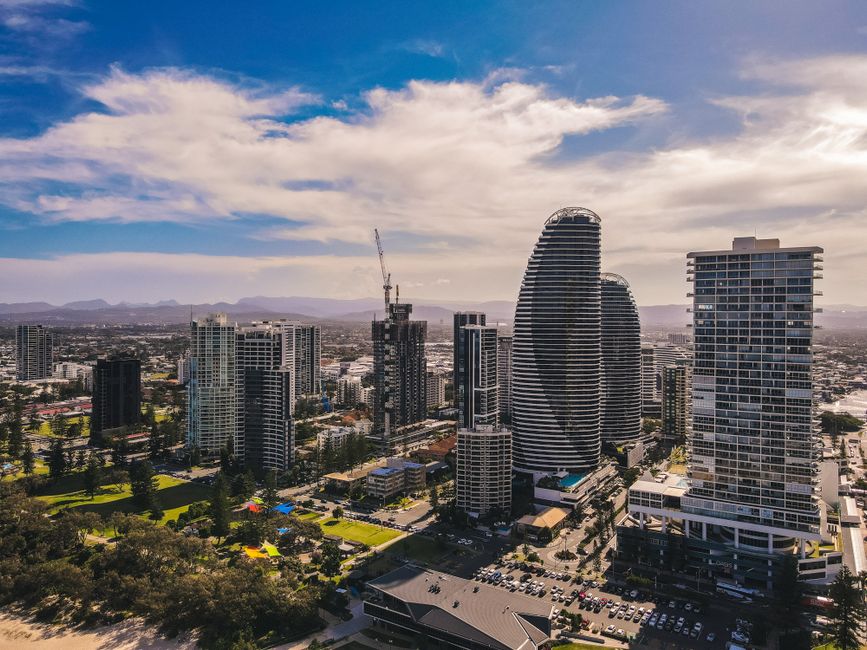
Townsville's retail hospitality and food industry is navigating a complex economic landscape, with investment patterns revealing sharp divergences between established venues and emerging concepts across the CBD and surrounding precincts.
Recent data from the Townsville Chamber of Commerce indicates that operating margins in the sector have compressed by approximately 3.2 percentage points year-on-year, driven primarily by wage pressures and supply chain volatility. The median food establishment now operates at 28–32% net margin, down from the 31–35% range recorded two years ago. This contraction is prompting significant shifts in where capital flows.
The Strand precinct, traditionally Townsville's hospitality anchor, has attracted $14.3 million in fresh investment during the first half of 2026—a 19% increase on the same period last year. However, this capital is concentrating in venue renovations and technology upgrades rather than new site openings. Operators along Flinders Street and the riverside dining quarter are prioritising kitchen automation and point-of-sale modernisation to offset labour cost inflation, which has risen 7.8% annually in skilled hospitality roles.
Conversely, suburban precincts including Aitkenvale and South Townsville are attracting emerging independent operators. These neighbourhoods have seen five new licensed food venues establish since January 2026, with average startup capital requirements approximately $450,000—roughly 35% lower than comparable Strand-adjacent locations. This reflects investors' strategic pivot toward lower-rent areas with resilient local demographics.
The retail accommodation sector presents a different picture. Hotel occupancy across Townsville averaged 71% in Q2 2026, a marginal decline from 72.4% recorded in the same quarter last year. However, average daily room rates have climbed 4.1% to $187 per night, suggesting pricing power remains intact despite softer volume. Major hotel operators are maintaining capital discipline, with expansion plans deferred until consumer confidence stabilises.
Consumer spending indicators underscore the caution. Transaction volumes at food and beverage venues declined 2.7% year-on-year, whilst average transaction value increased 5.3%—indicating fewer customers spending slightly more per visit. This suggests middle-income households are moderating discretionary spending frequency, a pattern reflected in softening foot traffic across central shopping corridors.
For investors monitoring Townsville's food and hospitality sector, the message is clear: growth capital is flowing toward operational efficiency and repositioning rather than expansion. Venues capable of absorbing labour cost pressures whilst maintaining service quality remain attractive to institutional investors, whilst the sector's longer-term resilience depends on reversing consumer caution through sustained economic stability.
This article was compiled by AI and screened before publishing. See our editorial standards.
About this article
Published by The Daily Townsville
Spread the word
Newsletter