Townsville Investors Brace for Triple Threat: Rates, Trade, Volatility
Rising interest rates, trade uncertainty, and geopolitical volatility are testing the resilience of local wealth managers and retail investors alike.
Rising interest rates, trade uncertainty, and geopolitical volatility are testing the resilience of local wealth managers and retail investors alike.
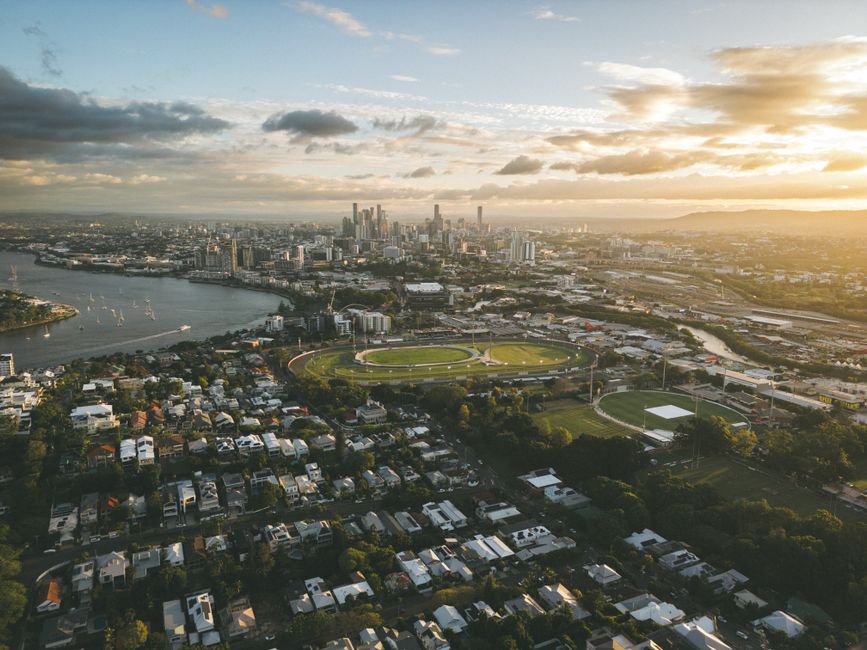
Townsville's financial services sector is bracing for what analysts describe as one of the most challenging years on record, as a convergence of domestic and global pressures squeeze margins and rattle investor confidence across the city's business district.
The headwinds are unmistakable. Regional investment firms operating along Flinders Street and around the Townsville CBD are contending with sustained elevated interest rates that have fundamentally altered borrowing costs for small business owners and property investors. Data from local commercial property agents suggests commercial real estate transactions in the precinct declined 23 per cent year-on-year, while residential property prices in established suburbs like Mysterton and Mundingburra have flatlined after years of steady growth.
"We're seeing clients defer major investment decisions," industry sources familiar with Townsville's wealth management community have indicated. The cost of living pressures affecting ordinary residents—groceries, energy bills, and rent across suburbs from Belgian Gardens to Aitkenvale—are directly translating into reduced discretionary income available for investment and savings.
Trade policy uncertainty adds another layer of complexity. The stalled renewal of North American trade agreements creates unpredictability for Townsville businesses with export exposure, particularly in agricultural and resource-linked sectors. This hesitancy has cascaded into reduced demand for investment advisory services, as clients postpone portfolio diversification decisions until clarity emerges.
Geopolitical volatility—from tensions in the Middle East to ongoing conflict in Eastern Europe—is simultaneously driving equity market turbulence and pushing investors toward defensive positions. This shift typically compresses profits for advisory firms that generate revenue through active portfolio management and strategic rebalancing.
The confluence of challenges is particularly acute for mid-sized financial advisory practices clustered near the Townsville Stock Exchange precinct and servicing clients across the North Queensland region. Retail investors are showing heightened caution; term deposit rates, while elevated, remain vulnerable to further rate cuts that may surprise markets.
Some institutional voices suggest the sector may need to adapt its service delivery model—leaning more heavily into financial literacy and automated advisory platforms rather than high-touch client engagement. Others point to opportunities in defensive investment strategies and ESG-focused portfolios gaining traction among ethically minded Townsville investors.
Yet the fundamental challenge remains: until interest rate settings stabilize, trade policy clarifies, and geopolitical risks subside, Townsville's investment sector will struggle to regain the momentum it enjoyed in prior years. Industry observers expect this pressure to persist through at least the second half of 2026.
This article was compiled by AI and screened before publishing. See our editorial standards.
About this article
Published by The Daily Townsville
Spread the word
Newsletter