Townsville Jobs: Wages Rising Fast in Trade Sector
Townsville's trade boom is driving wage growth in logistics, finance and tech. Discover how salary expectations are climbing for skilled workers across the city.
Townsville's trade boom is driving wage growth in logistics, finance and tech. Discover how salary expectations are climbing for skilled workers across the city.
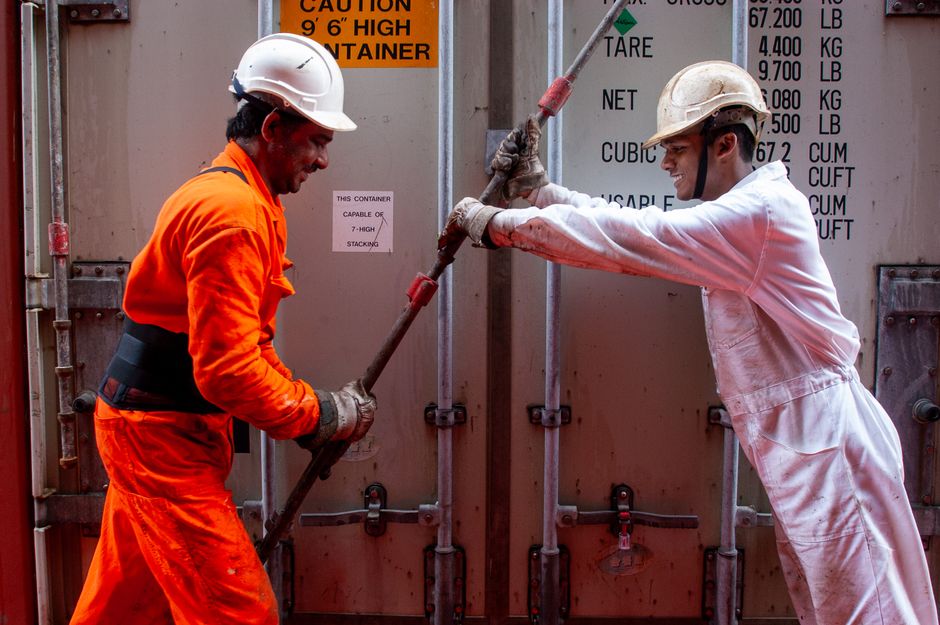
Townsville's business landscape is undergoing a quiet transformation. Over the past 18 months, the city's role as a gateway for Indo-Pacific trade has intensified, drawing multinational corporations, logistics operators and financial services firms to the city's core districts. The ripple effect is unmistakable: local labour markets are tightening, wage pressures are building, and employers are scrambling to attract and retain skilled workers.
Along the Flinders Street precinct and around the Port Authority offices near the waterfront, recruitment agencies report unprecedented demand for supply chain specialists, compliance officers and international trade coordinators. Salary expectations for mid-level logistics roles have climbed roughly 12 per cent year-on-year, according to recent labour market surveys, outpacing broader Australian wage growth by a significant margin.
"We're seeing companies establish regional hubs here specifically to manage ASEAN operations," explains one regional recruitment specialist, noting that firms previously based in Brisbane or Sydney are decentralising. The shift reflects Townsville's geographic advantages and lower operating costs compared to southern capitals—though that cost advantage is rapidly eroding as competition for talent intensifies.
The phenomenon extends beyond port-adjacent industries. Palmer Street's growing fintech corridor and the Strand's emerging business hotel district have attracted companies requiring multilingual staff with cross-border expertise. Junior finance professionals with Mandarin or Hindi language skills are commanding premiums of 15-20 per cent above base salary offers from two years ago.
Local education institutions are responding. Townsville's universities and vocational colleges have expanded international trade and supply chain management programmes, yet demand still outpaces graduate pipelines. Employers report poaching talent from interstate, offering relocation packages and career development incentives that would have been unthinkable five years ago.
The geopolitical environment—marked by shifting trade relationships and supply chain recalibration—has paradoxically benefited Townsville's position. Multinational corporations reassessing their regional strategies view the city as a stable, logistics-efficient alternative to more congested hubs. Each new investment announcement triggers a fresh wave of recruitment activity.
For workers, the trend presents opportunity. Career progression is accelerated, lateral moves between companies are easier, and salary negotiations carry genuine leverage. Yet for employers and the broader community, questions linger about sustainability and inclusivity—whether rising wages reflect genuine productivity gains or temporary market distortions, and whether local workers possess the specific skill sets these globalised employers demand.
As international trade patterns continue reshaping regional economies, Townsville finds itself at an inflection point: capitalising on new opportunities while managing the social and economic implications of rapid labour market transformation.
This article was compiled by AI from the sources linked above and screened before publishing. See our editorial standards.
About this article
Published by The Daily Townsville
Spread the word
Newsletter