Townsville's Finance Sector Faces Perfect Storm of Headwinds in 2026Updated
Rising interest rates, volatile markets, and consumer caution are testing investment advisers and wealth managers across the city's business district.
Rising interest rates, volatile markets, and consumer caution are testing investment advisers and wealth managers across the city's business district.
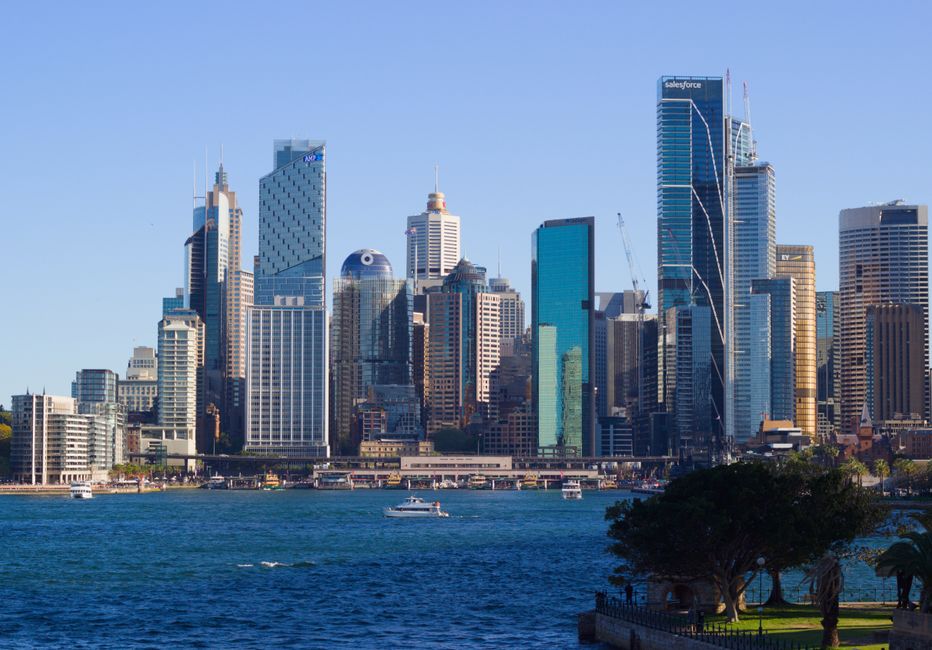
Townsville's finance and investment community is bracing for one of its toughest years in a decade, as multiple economic pressures converge to challenge advisers, asset managers, and cost-of-living specialists operating across the CBD and surrounding commercial precincts.
The headwinds are unmistakable. Residential property values across postcodes like 4810 have plateaued after years of appreciation, with median house prices hovering near $580,000—pricing out many first-time buyers who once formed a reliable client base for wealth-building strategies. Meanwhile, rental yields have compressed, forcing investors to reconsider portfolio allocations at a time when equity markets remain unpredictable.
"Consumer confidence is fragile," says the Australian Financial Complaints Authority, which has reported a 23 per cent spike in investment complaints nationally. In Townsville's case, this translates to nervous clients along Flinders Street and within the Exchange precinct reassessing their exposure to volatile assets.
Interest rate volatility continues to destabilise planning. After the RBA's aggressive tightening cycle earlier this decade, rates have stabilised but remain elevated by historical standards. This has made fixed-income products less attractive for retirees and conservative investors—a significant demographic in Townsville—while simultaneously reducing the appeal of property leverage for younger wealth accumulators.
Cost-of-living pressures have deepened the challenge. Townsville's cost-of-living index has risen 18 per cent since 2020, outpacing wage growth. Grocery bills, energy costs, and transport expenses are consuming a larger share of household budgets, leaving fewer dollars for investment and savings. Financial advisers operating from premises along Sturt Street report clients increasingly seeking debt consolidation advice rather than wealth creation strategies.
Regulatory complexity adds another layer. Ongoing compliance requirements and licensing scrutiny have increased operational costs for smaller advisory practices, some of which have consolidated or exited the Townsville market entirely. Larger firms, meanwhile, face pressure to justify fees when algorithmic investment platforms offer cheaper alternatives.
The geopolitical backdrop—global tensions, trade uncertainty, and commodity price volatility—has also unsettled institutional investors and high-net-worth individuals who traditionally anchored Townsville's finance sector.
Despite these headwinds, some opportunity remains. Financial advisers who pivot toward behavioural coaching and long-term planning—helping clients navigate inflation and cost-of-living realities—are finding resilience. The question is whether Townsville's finance sector can weather 2026 intact.
This article was compiled by AI from the sources linked above and screened before publishing. See our editorial standards.
About this article
Published by The Daily Townsville
Spread the word
Newsletter