Reading the Tea Leaves: What Townsville's Office Market Tells Us About Economic Health
As investment flows shift and vacancy rates climb, commercial property experts decode the signals reshaping our CBD.
As investment flows shift and vacancy rates climb, commercial property experts decode the signals reshaping our CBD.
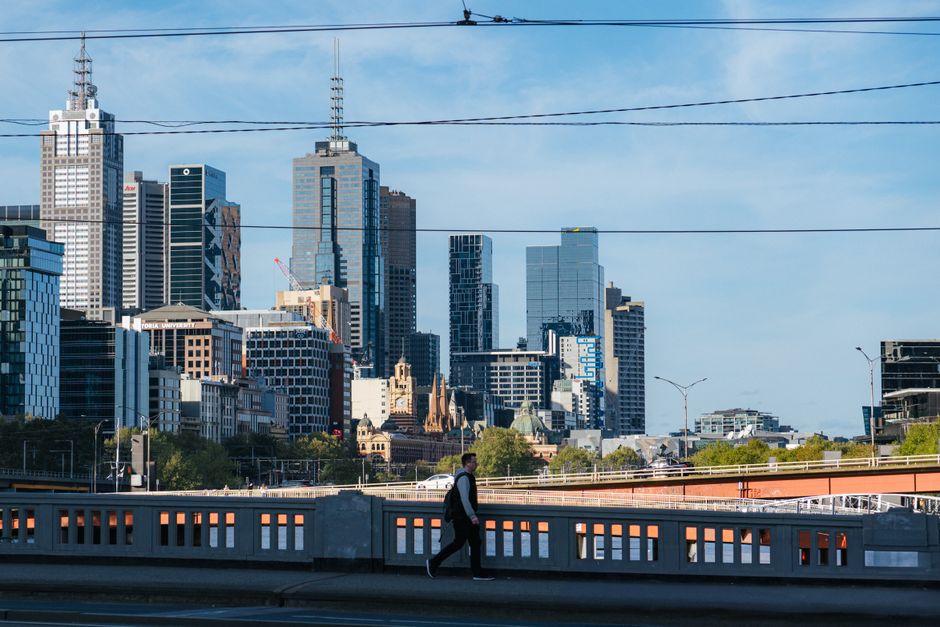
Townsville's commercial property sector is sending mixed signals, and understanding what the numbers mean has never been more critical for business leaders sizing up the local economy.
The CBD's office market tells a story of transition. Vacancy rates along Flinders Street and within the Townsville Business Hub have edged toward 12 percent in recent months—up from 8 percent two years ago. While this might sound alarming, industry analysts caution against misreading the trend. "Rising vacancy doesn't automatically spell decline," explains the Townsville Chamber of Commerce perspective on market dynamics. "It often reflects structural change as companies reassess their footprint in a hybrid work environment."
The data matters because office occupancy is a leading economic indicator. When businesses shrink their physical footprint, they're typically signalling caution about growth prospects. Yet parallel metrics suggest nuance: average asking rents on prime Sturt Street properties remain steady at $285–$310 per square metre annually, suggesting landlords retain confidence in fundamental demand.
Investment flows tell another layer of the story. Over the past 18 months, institutional capital has favoured mixed-use developments over pure office stock. The recent completion of the North Ward precinct—combining retail, hospitality, and flexible workspace—attracted $45 million in offshore investment, while traditional office buildings attracted comparatively modest capital. This reallocation reflects how investors now price risk: the future belongs to adaptable spaces, not single-purpose towers.
For Townsville's economic health, this matters significantly. Investment flows indicate where money believes growth is happening. The shift toward hospitality and mixed-use reflects confidence in our tourism and lifestyle narrative, while modest office investment suggests cautious outlooks on corporate expansion—at least in traditional sectors.
The Strand precinct's revitalisation has also influenced investor appetite. Properties within walking distance of the waterfront command 8–12 percent premiums over comparable CBD stock, signalling that location quality and lifestyle integration increasingly outweigh pure proximity to business districts.
Local property councils note that decision-makers should monitor three key metrics: absorption rates (how quickly new space finds tenants), capital values per square metre, and interstate investor activity. Currently, all three suggest a market in equilibrium rather than distress—cooling but not collapsing.
For business owners and investors, the message is clear: Townsville's commercial property market is recalibrating, not contracting. Understanding these economic indicators helps separate genuine warning signs from normal cyclical adjustment in a maturing market.
This article was compiled by AI from the sources linked above and screened before publishing. See our editorial standards.
About this article
Published by The Daily Townsville
Spread the word
Newsletter