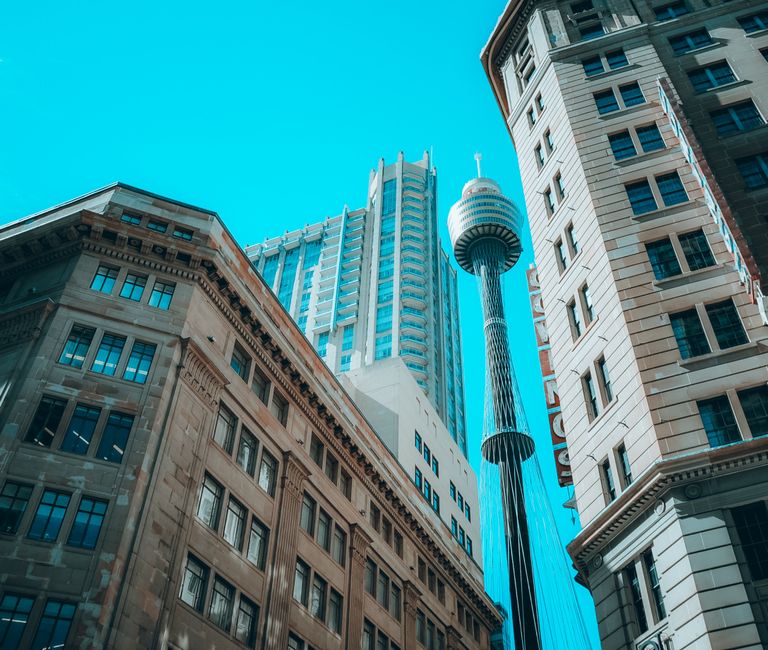
When Sarah Chen launched her logistics software company from a modest workspace above a café on Sturt Street three years ago, few predicted it would become a cornerstone of Townsville's fledgling innovation district. Today, her venture—which optimises supply chain management for regional businesses—employs 47 people across two floors in the newly revitalised Maritime Quarter and has attracted nearly $3.2 million in seed and Series A funding.
Chen's journey reflects a broader transformation underway in Townsville's business community. Once primarily known for manufacturing and port operations, the city is deliberately cultivating a startup ecosystem that leverages its geographic advantages and growing digital infrastructure. The Local Economic Development Board reported in March that tech and innovation sector jobs have grown 23 per cent since 2023, with particular momentum in logistics, agribusiness technology, and marine innovation.
"Townsville has everything a startup needs except the narrative," Chen explained during a recent forum at the Townsville Enterprise Centre on Flinders Street. "We've got proximity to supply chains, a skilled workforce, and now—finally—community support." Her software platform, which helps regional distributors optimise delivery routes and inventory management, has attracted clients across Queensland and northern New South Wales, generating annual recurring revenue exceeding $1.8 million.
What distinguishes Chen's operation is her commitment to nurturing the local ecosystem rather than simply scaling personally. She mentors at least five early-stage founders through the Townsville Innovation Hub's accelerator program and has formalised partnerships with James Cook University's business school to create internship pathways.
The broader startup scene is gaining momentum. Recent initiatives include a $4.5 million innovation precinct planned for the Queens Gardens precinct, launching in early 2027, and a new venture capital fund—Northpoint Capital—that formally closed its $15 million inaugural raise in April, targeting region-focused technology companies.
Industry observers suggest Townsville's emergence as a secondary innovation hub reflects both pragmatic factors and shifting attitudes. Rising costs in traditional tech hubs like Sydney have made regional alternatives more attractive, while improved connectivity and state government grants—including the $50,000 Regional Startup Support scheme—have lowered barriers to entry.
Chen's success story, while still nascent, offers a template. "We're not trying to be Silicon Valley," she said. "We're building something that works for Townsville—companies solving real problems for regional Australia." For a city historically defined by heavy industry, that pivot represents genuine disruption.
This article was compiled by AI from the sources linked above and screened before publishing. See our editorial standards.