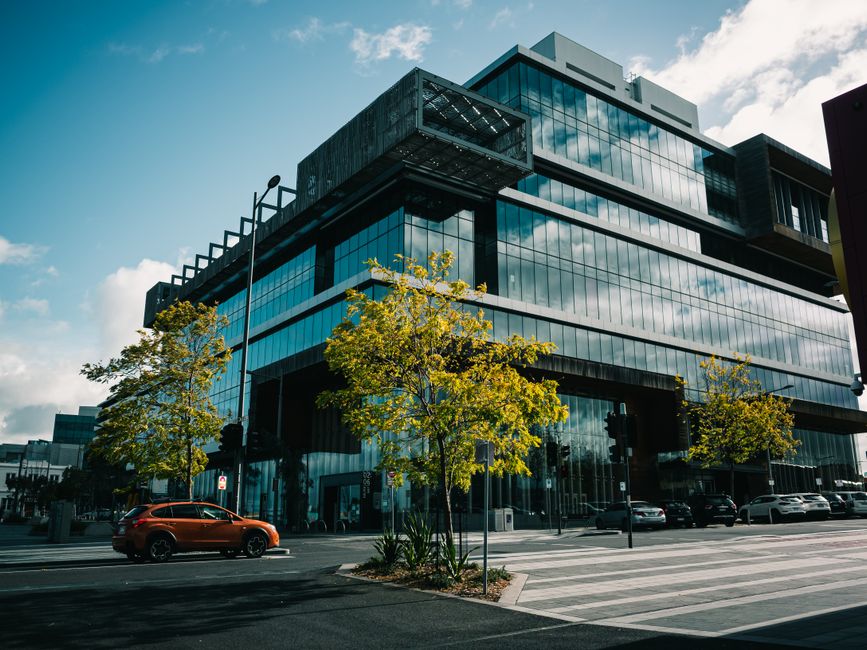
Townsville's property market along The Strand has posted its strongest quarterly growth in eighteen months, with median house prices climbing 3.2 per cent to $520,000. But what does this signal tell us about broader economic health, and why should residents paying rent in South Townsville or saving for a home in Thuringowa care?
"Economic indicators are the vital signs of a city," explains Dr. Marcus Chen, director of the Townsville Business Council. "When investment flows increase—whether from interstate developers or institutional funds—it typically indicates confidence in future growth. That confidence eventually translates to jobs, wages, and purchasing power."
Recent data reveals exactly this pattern. The Townsville Port Authority reported a 7.8 per cent year-on-year increase in container throughput, signalling stronger demand for exports and manufacturing. Meanwhile, commercial investment in the Ross Creek precinct has surged, with three major office towers under development. These aren't abstract financial metrics; they represent real capital moving through local banks and onto local sites.
Yet investment flows cut both ways. While construction jobs proliferate near the Strand and CBD, rental vacancy rates have tightened to 2.1 per cent—pushing average weekly rents in central suburbs to $385, up from $365 six months ago. First-time buyers, already stretched, face competing against investor capital parking money in residential properties seen as inflation hedges.
The Reserve Bank's recent rate pause—holding the official cash rate steady—provides temporary relief. Mortgage holders on variable rates have breathing room, though fixed-rate mortgages secured earlier at higher rates remain costly. For renters in Aitkenvale and Garbutt, however, the calculus worsens: landlords passing on cumulative costs means weekly rent increases continuing through late 2026.
Consumer price inflation has moderated to 2.8 per cent locally, below the national average, thanks partly to reduced energy costs and increased competition among Townsville retailers. Grocery baskets at Woolworths on Flinders Street and Coles in The Pavilions reflect this, though fresh produce prices remain volatile due to regional supply constraints.
The clearest insight? Money is flowing into Townsville because investors believe in its future—ports, resources, defence industry ties, and regional growth potential. That optimism creates jobs and opportunity. But it also concentrates wealth, pushing property and rental costs upward faster than wages for many workers. Understanding these flows helps residents navigate decisions about mortgages, rentals, and investment timing with clear eyes.
Townsville's economic signals are broadly positive. The challenge lies in ensuring growth benefits reach beyond investment portfolios into everyday household budgets.
This article was compiled by AI from the sources linked above and screened before publishing. See our editorial standards.