Redefining Townsville's Skyline: How One Developer is Reshaping the Office Market
As demand for flexible, sustainable workspace grows, a local entrepreneur is betting big on mixed-use precincts that blend commerce with community.
As demand for flexible, sustainable workspace grows, a local entrepreneur is betting big on mixed-use precincts that blend commerce with community.
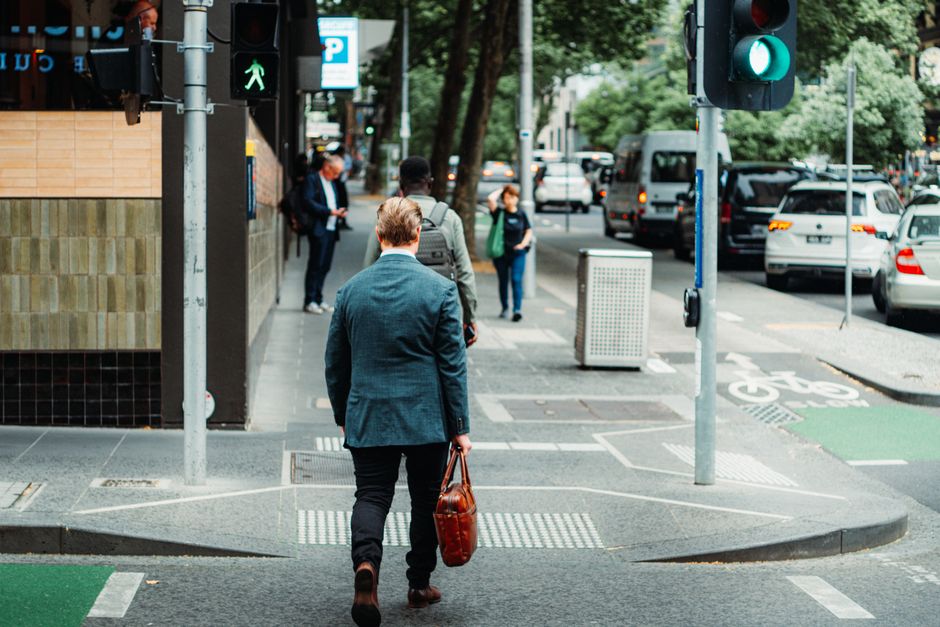
Townsville's commercial property market is experiencing a subtle but significant shift, and much of it centres on the vision of developers willing to challenge the traditional office tower model. The city's ongoing transformation—from heavy reliance on industrial sectors to a more diversified economy—has created fresh opportunities for those with the foresight to reimagine what modern workplace real estate looks like.
The Flinders Street precinct, once dominated by aging industrial complexes and underutilised warehouses, has become ground zero for this evolution. Recent transactions in the area suggest growing appetite for contemporary office spaces that prioritise flexibility and sustainability. Properties in the $400–$600 per square metre range are moving briskly, a marked shift from the $250–$350 range that characterised the market five years ago.
Local developer activity reflects broader trends: tenants increasingly seek shorter lease terms, shared amenities, and facilities designed around hybrid work arrangements. The shift has not gone unnoticed by Townsville's property sector, where adaptive reuse projects now command premium positioning in investment portfolios.
The Riverside precinct, anchored by the redeveloped Breakwater District, exemplifies this trajectory. Mixed-use developments combining ground-floor hospitality, office space above, and accessible public plazas have emerged as the gold standard. Property managers report that buildings offering onsite café culture, wellness facilities, and collaborative spaces maintain 94–96% occupancy rates—substantially above the 87% city average.
Townsville's CBD office vacancy rate currently sits at approximately 8.2%, down from 10.4% a year prior, suggesting growing confidence among corporate tenants. Meanwhile, asking rents have stabilised around $320 per square metre annually for premium Grade-A space—modest by national standards, but representative of a market maturing beyond commodity offerings.
The challenge ahead involves balancing rapid growth with infrastructure constraints. Transport connectivity, particularly along the Sturt Street corridor and proposed extensions to public transit, will likely determine which precincts attract the next wave of investment. Similarly, the city's commitment to net-zero development standards may reshape construction timelines and project economics.
For Townsville's business community, the message is clear: the days of generic office parks are waning. Developers who combine smart design, sustainability credentials, and genuine community integration are winning leases and investor confidence. As the city positions itself for the next economic cycle, the office market itself has become a bellwether for whether Townsville can deliver the liveable, modern working environments that tomorrow's talent demands.
This article was compiled by AI from the sources linked above and screened before publishing. See our editorial standards.
About this article
Published by The Daily Townsville
Spread the word
Newsletter