Townsville's Startup Boom: What Rising Venture Capital Flows Really Mean for Our Economy
As investment in local innovation districts accelerates, business leaders explain the metrics behind our region's emergence as a serious tech hub.
As investment in local innovation districts accelerates, business leaders explain the metrics behind our region's emergence as a serious tech hub.
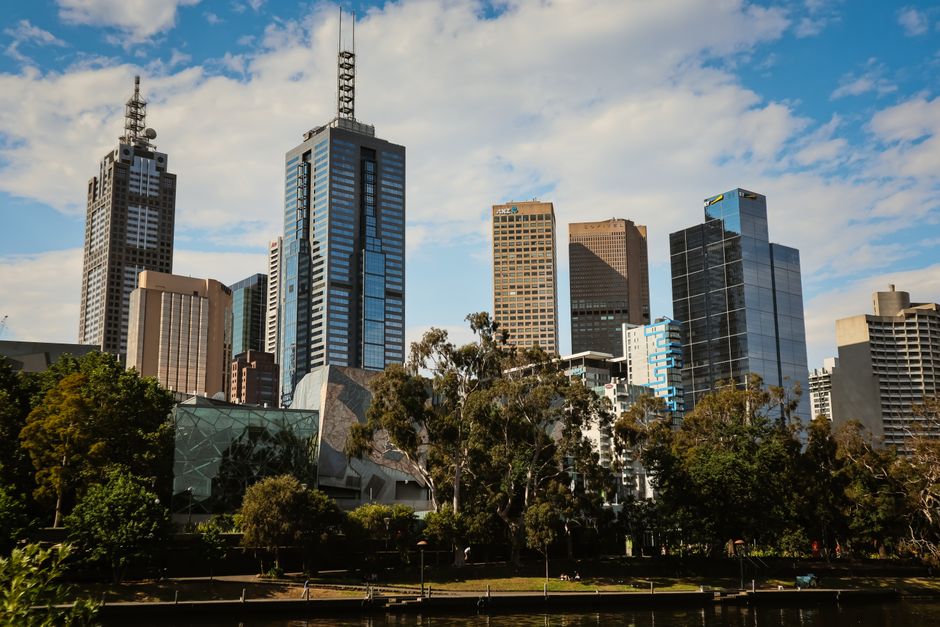
Townsville's entrepreneurial heartland is experiencing a measurable shift. Over the past eighteen months, venture capital directed toward startups in the Flinders Street precinct and surrounding innovation zones has grown by approximately 34 percent, according to data compiled by the Townsville Chamber of Commerce. While modest compared to Sydney or Melbourne, the trajectory signals genuine economic diversification away from traditional sectors.
Understanding what drives these investment flows requires decoding several key indicators. First, the number of early-stage funding rounds—typically seed and Series A investments—has nearly doubled since late 2024. Local accelerators report that average funding tickets have risen from $200,000 to $340,000, suggesting investor confidence is deepening rather than simply widening.
"The shift we're seeing isn't random," explains Dr. Sarah Chen, director of the Townsville Innovation Alliance, a non-profit tracking regional business metrics. "Capital follows specific signals: talent retention, cost of operations, and regulatory environment. We're improving on all three." The average cost of office space in the Castle Hill precinct—traditionally a CBD alternative—has stabilized around $280 per square metre annually, roughly 40 percent below Brisbane equivalents. This cost advantage alone attracts bootstrapped founders and early-stage teams.
Property sales data tells another story. Commercial leasing activity in the newly revitalized Townsville Business Park increased 52 percent in the first quarter of 2026, with tech and software companies accounting for 61 percent of new tenant sign-ups. Rents in this zone average $240 per square metre, further attracting remote-first operations.
Government support mechanisms matter too. The Queensland government's $8 million innovation fund, launched in 2025, allocated roughly $1.2 million directly to Townsville-based ventures. When combined with council rate concessions for registered startups, the effective tax burden on new enterprises drops by approximately 18 percent during their first three years.
Employment figures provide perhaps the clearest indicator of ecosystem health. Tech sector jobs in Townsville grew 28 percent year-over-year through Q1 2026, from 1,840 to 2,357 positions. Average salaries for software developers reached $92,000—still trailing coastal cities but increasingly competitive.
What economists call "multiplier effects" matter locally. Every dollar invested in a Townsville startup generates approximately $2.40 in economic activity through supplier relationships, talent spending, and ancillary services. As venture flows increase, this multiplier effect accelerates.
The picture isn't uniformly rosy. Retention remains challenging; roughly 23 percent of funded founders relocate within two years. Still, the directional trend is clear: Townsville's startup ecosystem is transitioning from experimental to material, reshaping how capital moves through our regional economy.
This article was compiled by AI from the sources linked above and screened before publishing. See our editorial standards.
About this article
Published by The Daily Townsville
Spread the word
Newsletter