wellness
Too Hot, Too Bright, Too Loud: How Townsville's Climate Is Wrecking Your Sleep
Heat, relentless subtropical light and urban noise combine to make North Queensland one of Australia's toughest environments for a decent night's rest.
How we reported this
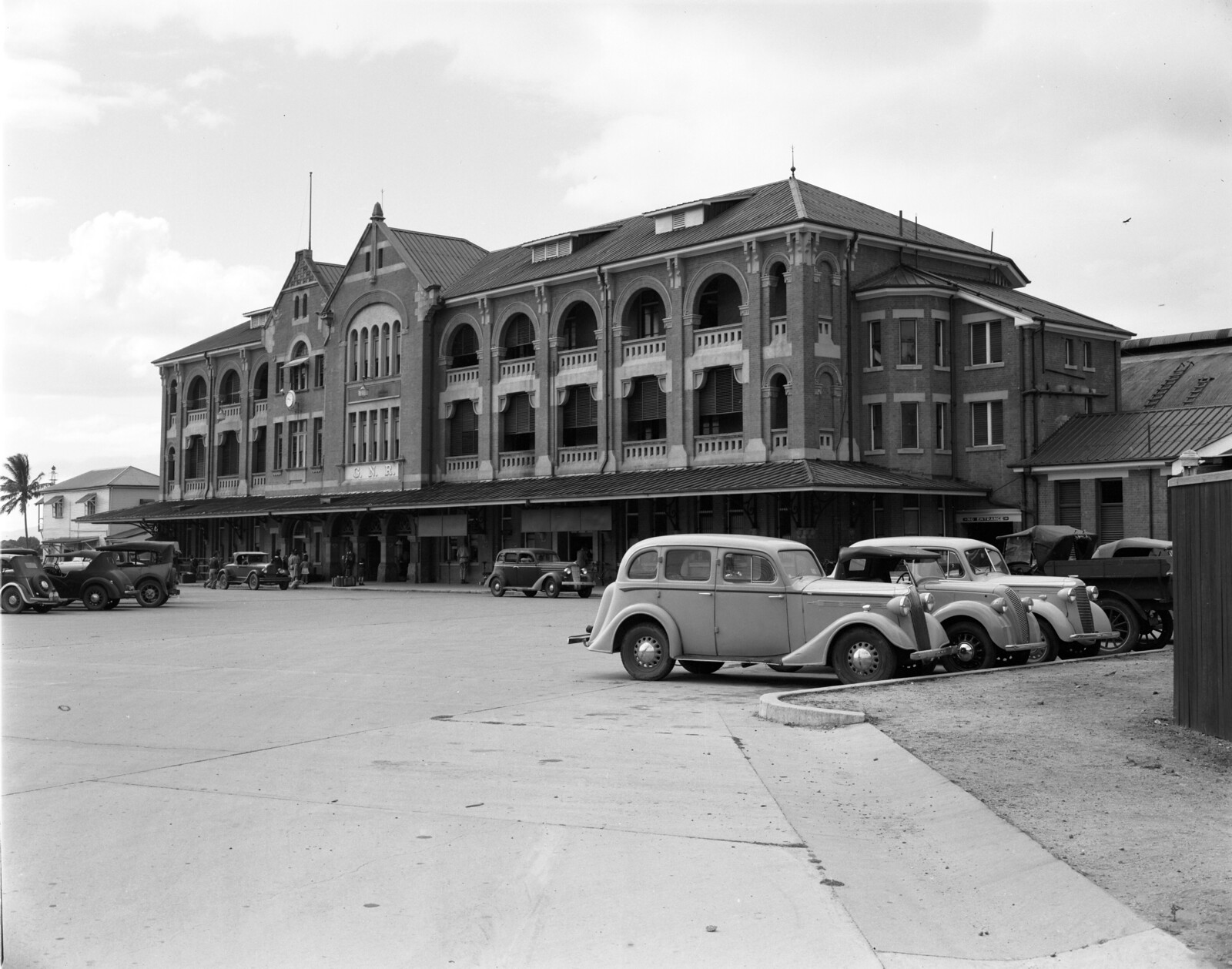
Townsville sits at roughly 19 degrees south latitude, which means winter nights that stay above 20°C well past midnight and a dry-season sun that clears the horizon before 6:30 a.m. For the city's roughly 200,000 residents, those two facts alone create a physiological challenge every single night, and sleep researchers have spent years documenting exactly why.
The timing matters. July marks the peak of Townsville's dry season, when overnight humidity drops and temperatures feel deceptively comfortable to visitors. But for locals sleeping in older housing stock across suburbs like Cranbrook, Heatley or Mundingburra, many built before modern insulation standards, ambient bedroom temperatures regularly stay above the 18-20°C range that sleep scientists consider optimal for initiating and maintaining deep sleep. The body needs to shed core heat to fall asleep, and a warm room slows that process significantly.
The Three Enemies of Sleep in the Tropics
Temperature is only the first problem. Light is the second. The pineal gland releases melatonin, the hormone that cues the brain to prepare for sleep, in response to darkness. Townsville's dry-season skies are famously clear, meaning very little cloud cover to diffuse early morning light. Residents living on the eastern slopes below Castle Hill, or along the Strand foreshore near Jezzine Barracks, face direct sunrise exposure by 6:15 a.m. at this time of year. A single lux of light penetrating thin curtains is enough to suppress melatonin and pull a sleeper into lighter sleep stages prematurely.
Noise is the third factor, and arguably the most underestimated in Townsville. The city is home to a major Australian Army base at Lavarack Barracks on Stuart Drive, and helicopter and fixed-wing training operations run on schedules that don't always align with civilian sleep windows. Residents in suburbs such as Bohle Plains and Kirwan, both within earshot of flight corridors, have long lived with intermittent overnight noise events. Research published by the World Health Organisation has established that road and aviation noise above 40 decibels at night measurably increases cardiovascular arousal and fragments sleep architecture, even when sleepers don't consciously wake.
James Cook University, based at Douglas just north of the city centre, has a strong research presence in tropical health and human physiology. While the university does not run a dedicated public sleep clinic, its College of Medicine and Dentistry includes researchers whose work touches on heat stress and human performance, areas directly relevant to sleep quality in tropical climates. Townsville University Hospital on Eyre Street remains the primary referral point for patients with diagnosed sleep disorders such as obstructive sleep apnoea, which is more common in populations carrying excess weight, a known correlate of disrupted sleep in hot environments.
What You Can Actually Do About It
Practical adjustments start with the bedroom environment. Blackout curtains, available at stores including the Willows Shopping Centre Bunnings on Hervey Range Road, can cost as little as $30 for a standard window and cut morning light intrusion dramatically. Ceiling fans set to run counter-clockwise in winter move air without overcooling; sleep researchers generally recommend keeping bedroom temperatures between 18°C and 22°C as a starting target, though individual tolerance varies.
White noise machines or apps can offset the impact of intermittent external noise by raising the baseline acoustic floor of a room, making sudden sounds less jarring to the sleeping brain. For Castle Hill regulars who train early, the 2.5-kilometre summit climb draws hundreds of walkers from the Hillside Crescent carpark before sunrise, the pre-dawn alarm is a fixture of life. Setting that alarm 30 minutes later, even twice a week, and keeping the bedroom dark until it sounds can help preserve the final REM cycle, which is disproportionately important for memory consolidation and mood regulation.
Anyone experiencing persistent fatigue, loud snoring, or waking unrefreshed most mornings should book an appointment with a GP rather than self-diagnose. Townsville's Mater Hospital on Fulham Road and the network of general practices across the northern suburbs all have access to referral pathways for formal sleep studies. A two-week sleep diary, noting bedtime, wake time, room temperature and any noise disturbances, is the single most useful thing a patient can bring to that first appointment.