wellness
Social Connection as Medicine: The Loneliness Epidemic Hitting Townsville Hard
Researchers say chronic loneliness carries health risks comparable to smoking 15 cigarettes a day, and North Queensland's geography and heat are making it worse.
How we reported this
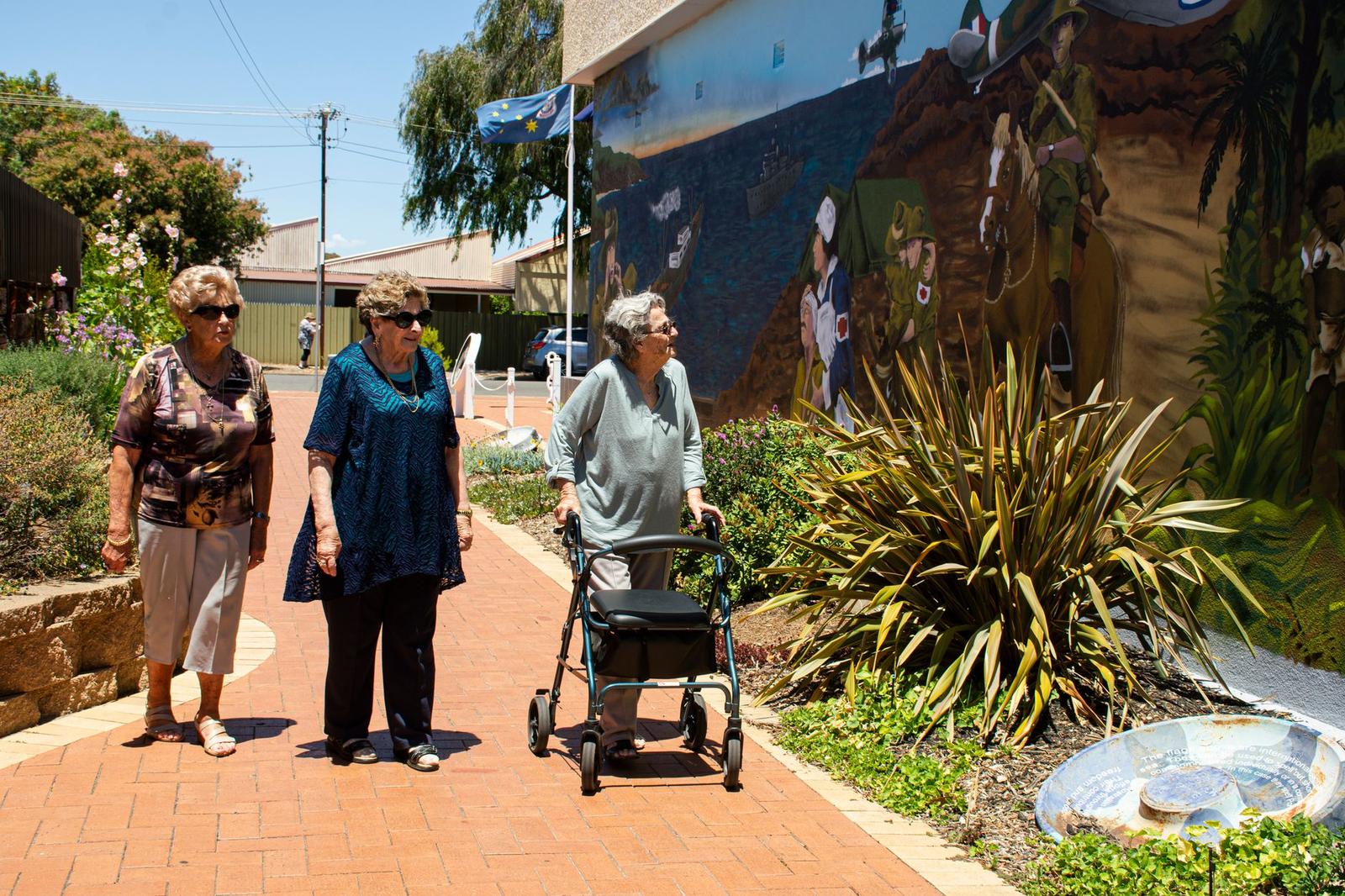
Loneliness is not a feeling. It is a physiological state that raises cortisol, disrupts sleep, and accelerates cardiovascular disease. That is the position now held by major public health bodies globally, and it reframes what has long been treated as an emotional inconvenience into something closer to a clinical condition. For Townsville's roughly 200,000 residents, the implications are direct and uncomfortable.
The timing matters. A period of sustained post-pandemic social disruption, combined with rising cost-of-living pressure, has pushed more Australians into what researchers describe as "weak-tie poverty", a deficit not of close friendships, but of the casual, everyday contact with neighbours, shopkeepers, and colleagues that quietly sustains mental health. When financial strain forces people to stay home, cancel subscriptions, or skip social outings, those weak ties are the first to go.
Why Townsville's Climate Complicates Things
The Strand, Townsville's 2.2-kilometre beachfront running from Rockpool through to the Waterpark at its northern end, is one of the city's best natural antidepressants. It is free, open, and populated at dawn and dusk with walkers, joggers, and families. In winter months, July included, it is genuinely perfect: low humidity, temperatures in the low-to-mid twenties, and enough foot traffic to make a solo walk feel communal without being overwhelming. That daily ritual of public space use matters enormously for what psychologists call "incidental social contact."
Castle Hill is the other obvious example. The 2.5-kilometre climb up Hillside Crescent draws a recognisable daily crowd, regulars who nod, chat briefly, and move on. Those interactions are brief by design, but the research suggests they deliver a measurable mood benefit. A 2021 study published in the Journal of Experimental Psychology found that small, low-stakes conversations with strangers improved positive affect in participants who expected them to feel awkward or draining.
The problem is that Townsville's brutal summer heat, wet season temperatures regularly pushing above 35 degrees with high humidity from November through April, effectively locks many residents indoors for months at a time. Community activity compresses into the cooler dry season. For people already isolated, that seasonal contraction of social life can entrench habits of withdrawal that persist long after the heat breaks.
Local Programs Filling the Gap
Townsville has genuine infrastructure for this problem, though it is unevenly known and inconsistently funded. Lifeline North Queensland, based in the CBD, operates not only its 13 11 14 crisis line but also face-to-face community connection programs across the city. Their Walker Street office coordinates referrals into social support services for people who describe isolation rather than acute crisis, the gap that tends to fall between GPs and emergency mental health.
The Townsville City Council's Active Parks program runs free guided group activities at several locations including Riverway, the precinct on the banks of the Ross River at Thuringowa Drive, which combines exercise with structured social contact. The Riverway lagoon area has become a genuine community gathering point, particularly for families with young children and older residents who might otherwise spend the bulk of their day alone.
For younger adults, headspace Townsville, located on Flinders Street in the CBD, offers group therapy and social anxiety programs specifically designed around the connection deficit. Waiting lists have historically been an issue for individual therapy, but group programs typically have faster access.
The Australian Institute of Health and Welfare reported in 2023 that one in four Australians aged 15 and over reported feeling lonely often or always, a figure that has not materially improved since. Social prescribing, where GPs formally refer patients to community activities rather than or alongside clinical treatment, is gaining ground in Australian primary care, but uptake in regional Queensland remains patchy.
The practical advice is unglamorous: show up somewhere regular. The Castle Hill car park at 6am. A Saturday morning at Riverway. A headspace drop-in. Loneliness responds best not to grand gestures but to repetition, the same face, the same place, the same time. Anyone concerned about their own mental health or a person close to them should speak with a GP or contact Lifeline North Queensland on 13 11 14.