wellness
Beyond Castle Hill: The Hidden Nature Walks Locals Love But Tourists Miss
While visitors queue at the base of Castle Hill, Townsville's most devoted walkers are threading through coastal scrub, urban creek corridors, and island-edge trails that rarely appear on any tourist map.
How we reported this
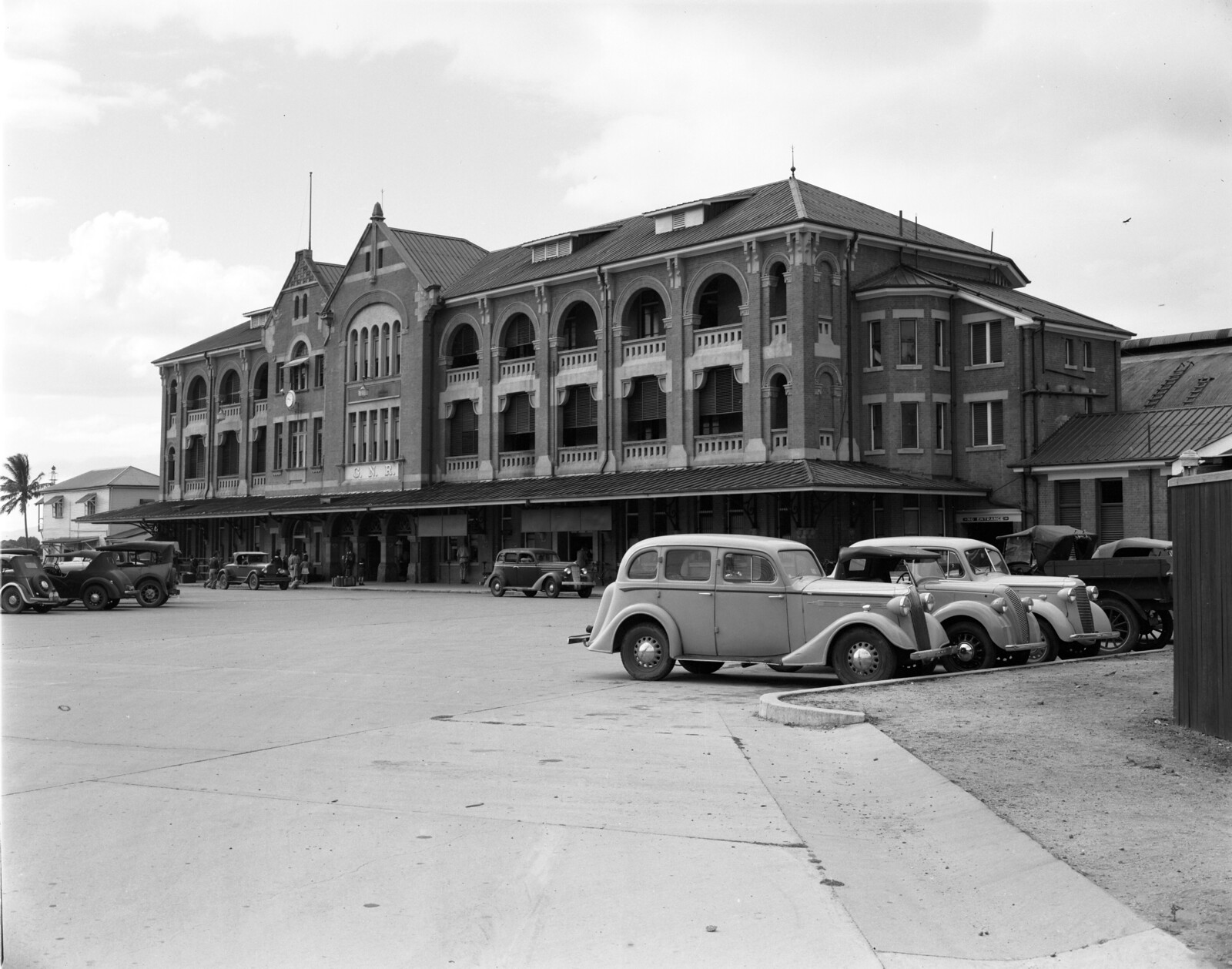
Ask most visitors where to get their steps in around Townsville and the answer is almost always the same: Castle Hill, the 286-metre pink granite peak that dominates the skyline from Sturt Street. The 2.5-kilometre summit climb is genuinely excellent. But locals who walk it daily will quietly tell you it's also the most crowded thing in the city most mornings, and that the better stuff is elsewhere, if you know to look.
That quieter outdoor culture matters more right now than it might have a year ago. Across Australia, scrutiny of aged care operators and new conversations about preventive health have pushed the value of regular, low-cost physical activity back into public debate. In North Queensland, where the heat between October and April punishes anyone who neglects shade and timing, finding the right walk, tree-canopied, close to water, away from the bitumen, is almost a practical survival skill as much as a wellness choice. The cooler July window is precisely when seasoned Townsville walkers do their serious kilometres.
The Trails That Don't Make The Brochures
Ross River, which cuts through the city's southern and western suburbs before meeting the sea, has a multi-use path corridor that stretches through Cranbrook, Mundingburra, and out toward Kelso. The riverside section near Aplin's Weir, off Ross River Road, is particularly well used on weekday mornings by locals who appreciate the fig trees, the brolgas that occasionally feed on the banks, and the near-total absence of tourist foot traffic. Townsville City Council maintains this path network as part of its active transport infrastructure, and the surface holds well even after the wet season.
Further north, the Pallarenda Conservation Park, sitting at the tip of the peninsula roughly 14 kilometres from the CBD, delivers a coastal scrub experience that feels nothing like the manicured Strand waterfront. The walking tracks here wind through melaleuca wetlands, past mangrove fringe, and out to beach sections that face Magnetic Island across the Cleveland Bay channel. Weekday mornings see a loyal cohort of local walkers, birdwatchers, and the occasional school group. On weekends, it remains quiet enough that kangaroos are a reliable sighting near the northern boundary.
For those who want elevation without the Castle Hill crowds, the Hervey Range Road corridor, about 30 kilometres west of the city on the Flinders Highway, offers access to dry eucalypt woodland trails at the edge of the Hervey Range Recreation Area. Townsville bushwalking clubs, including the active Townsville Bushwalking Club which runs scheduled group walks most months of the year, regularly programme routes out here that take in granite outcrops and seasonal wildflowers without a single interpretive sign in sight.
Practical Notes For Getting Out There
Townsville's average daily maximum in July sits around 25 degrees Celsius, which makes it arguably the best walking month in the calendar. The Strand waterfront path, a sealed 2.2-kilometre promenade between Tobruk Memorial Baths and the Rockpool, is flood-lit and popular after dark, but the real local preference for a morning walk trends toward the quieter alternatives described above, where the light through the paperbarks before 8am is worth the drive.
Parking at Pallarenda is free at the end of Pallarenda Road. The Ross River path is accessible at multiple points including Anderson Park on Paxton Street, which also offers public toilets and water. Neither requires booking or fees, which distinguishes them from some commercial outdoor fitness programs around the city that charge between $15 and $25 per session.
Townsville City Council publishes trail maps through its website and at the Riverway Arts Centre on Riverway Drive in Thuringowa, where staff can point new residents toward the less-documented sections of the broader path network. The Queensland Parks and Wildlife Service manages Pallarenda and can be reached for current track conditions ahead of any planned visit.
The Castle Hill regulars will keep climbing. Nothing wrong with that. But on a cool July morning, with a thermos and a decent pair of shoes, the walk along the Ross River foreshore past Aplin's Weir, herons standing still in the shallows, no one selling anything, is as good as this city gets. Consult your GP or a local physiotherapist before significantly changing your exercise routine, particularly if you're managing any ongoing health conditions.