community
Townsville Expands Mental Health Services: Complete 2026 Resource Guide
A guide to mental health services, helplines and community resources in Townsville for 2026.
How we reported this
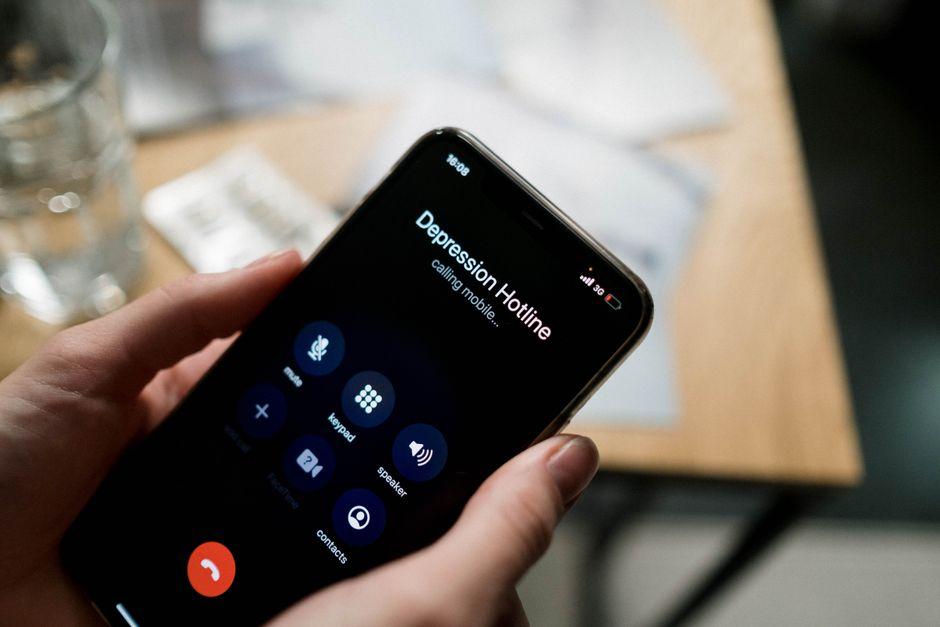
Mental health demand in Townsville has grown significantly over recent years, reflecting both increasing community awareness and the genuine psychological pressures faced by a regional city population that includes high proportions of defence personnel, fly-in fly-out workers, young families, Indigenous Australians and those affected by natural disaster events. Access to mental health care in Townsville has improved, with more GPs trained in mental health assessment and an expanding network of private and community mental health services across the city. The GP Mental Health Care Plan remains the most important first step for anyone seeking professional mental health support - a GP can assess your needs, provide a referral to a psychologist or counsellor, and access up to 10 Medicare-rebated individual therapy sessions per calendar year under the Better Access initiative, reducing the cost of private psychology sessions from $200 to $300 per session to approximately $100 to $150 out of pocket after the Medicare rebate.
For anyone in crisis or experiencing urgent distress, the following helplines are available 24 hours a day, seven days a week. Lifeline provides crisis support and suicide prevention through phone counselling on 13 11 14, as well as online chat at lifeline.org.au. Beyond Blue offers support for anxiety, depression and related conditions on 1300 22 4636 and via online chat. The Suicide Call Back Service provides professional counselling via phone on 1300 659 467 and also offers video counselling sessions for those who prefer face-to-face connection. Kids Helpline is available for young people aged 5 to 25 on 1800 55 1800, and MensLine Australia offers specialised support for men on 1300 78 99 78. These services are free, confidential and staffed by trained counsellors - using them is not a sign of weakness but a sensible first response to distress.
Community mental health services in Townsville provide a range of support beyond crisis intervention. headspace Townsville, located at 262 Stanley Street, provides free and low-cost mental health, physical health, work and study support for young people aged 12 to 25, including bulk-billed GP appointments and subsidised psychology. EACH (formerly Carers Queensland) and NQ Dry July Foundation both provide community-based support programs. The Queensland government's Community Mental Health teams operate from Townsville University Hospital and provide case management for people with moderate to severe mental illness. NQPHN (North Queensland Primary Health Network) coordinates mental health service navigation and has a service directory available at nqphn.com.au for residents unsure of where to start. Aboriginal and Torres Strait Islander residents can also access culturally appropriate mental health support through Townsville Aboriginal and Islander Health Service (TAIHS).
Workplace mental health is an increasingly important focus in Townsville, particularly for the defence, mining services and healthcare sectors that form major pillars of the local economy. Employers are increasingly required under Queensland work health and safety legislation to address psychosocial hazards - including workload, isolation, trauma exposure and interpersonal conflict - as seriously as physical safety risks. Employee Assistance Programs (EAPs) are now standard in most medium and large Townsville employers, offering confidential counselling sessions at no cost to the employee, typically six sessions per year. Peer support programs, return-to-work mental health protocols and manager mental health training have also become more common across the city's major employer sectors. If you are concerned about a colleague, the most helpful step is a direct, caring conversation asking how they are doing and whether they need support - research consistently shows that asking directly about mental distress reduces rather than increases risk.