community
Townsville University Hospital expands specialist services for 600,000 North Queenslanders
The region's tertiary hospital serves a catchment of over 600,000 people across North and North-West Queensland, making it one of regional Australia's most significant healthcare facilities.
How we reported this
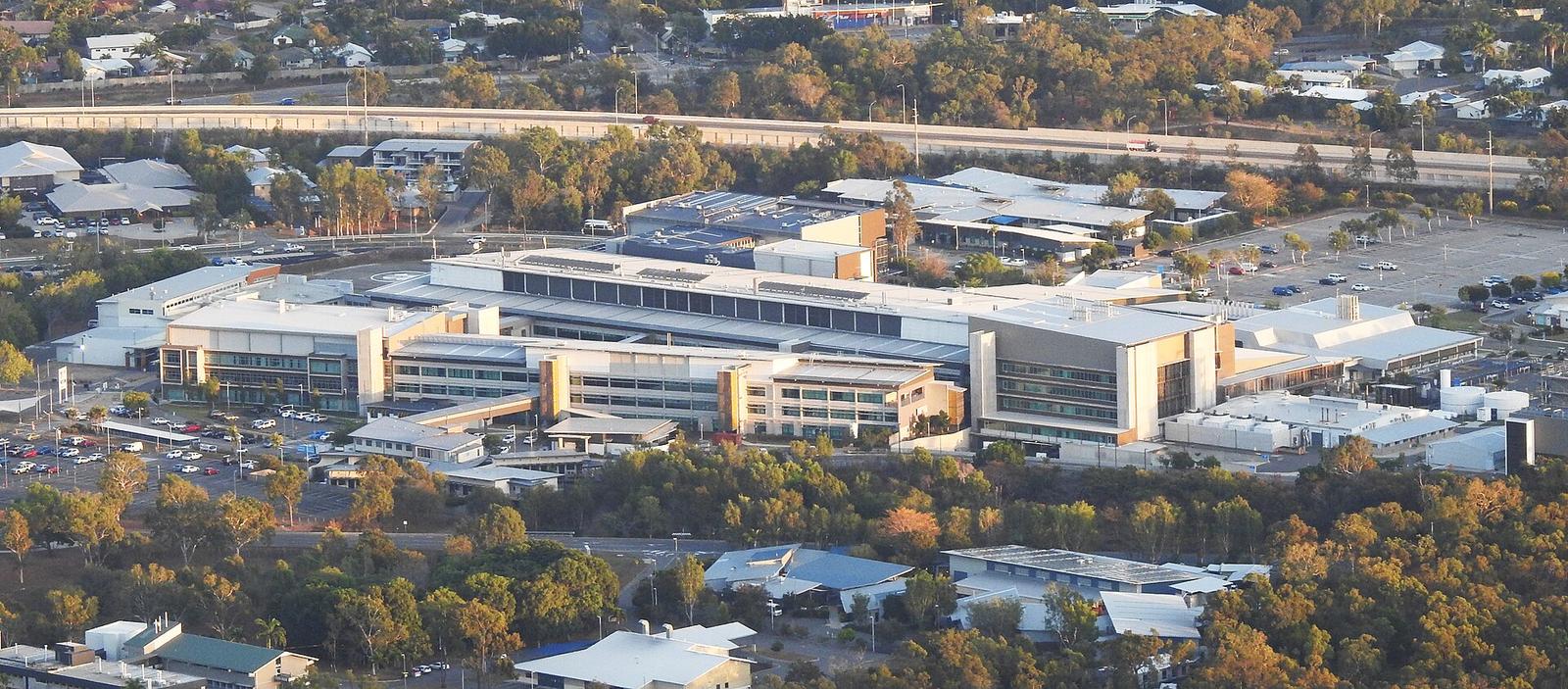
Townsville University Hospital is the most significant healthcare facility in regional Queensland outside of the south-east corner, serving as the tertiary referral centre for a catchment of more than 600,000 people spread across North Queensland, North-West Queensland and parts of the Northern Territory. The hospital's role as the apex of the regional health system gives Townsville a centrality in the delivery of specialist healthcare that underpins the city's status as North Queensland's service capital.
The hospital's specialist services span cardiology, oncology, neurosurgery, neonatal intensive care and a range of other high-complexity clinical capabilities that are not available at smaller district hospitals across the catchment. Patients travelling from Cloncurry, Mount Isa, Cairns and remote communities in Cape York and the Gulf undertake significant journeys to access these services, and the hospital's patient accommodation and support services are calibrated to that reality.
The academic partnership with James Cook University's medical school is central to the hospital's ability to attract and retain specialist medical staff. The combination of clinical load, academic opportunity and the lifestyle advantages of Townsville makes the hospital competitive for specialist appointments that would otherwise default to the major metropolitan centres. This workforce retention capability is increasingly important as healthcare workforce shortages affect regional facilities across Queensland.
Expansion of the hospital's capacity and service range has been a consistent advocacy priority for Townsville's political representatives and community organisations, who point to population growth projections and the inadequacy of existing capacity during peak demand periods as evidence for accelerated investment. Queensland Health's capital planning processes for the facility are ongoing.