property
Townsville property pulse: Is renting actually cheaper than buying right now?
While the northern capital remains one of the most accessible markets in Queensland, shifting interest rates and rental demand have forced a rethink for those trying to decide between a mortgage and a lease.
How we reported this
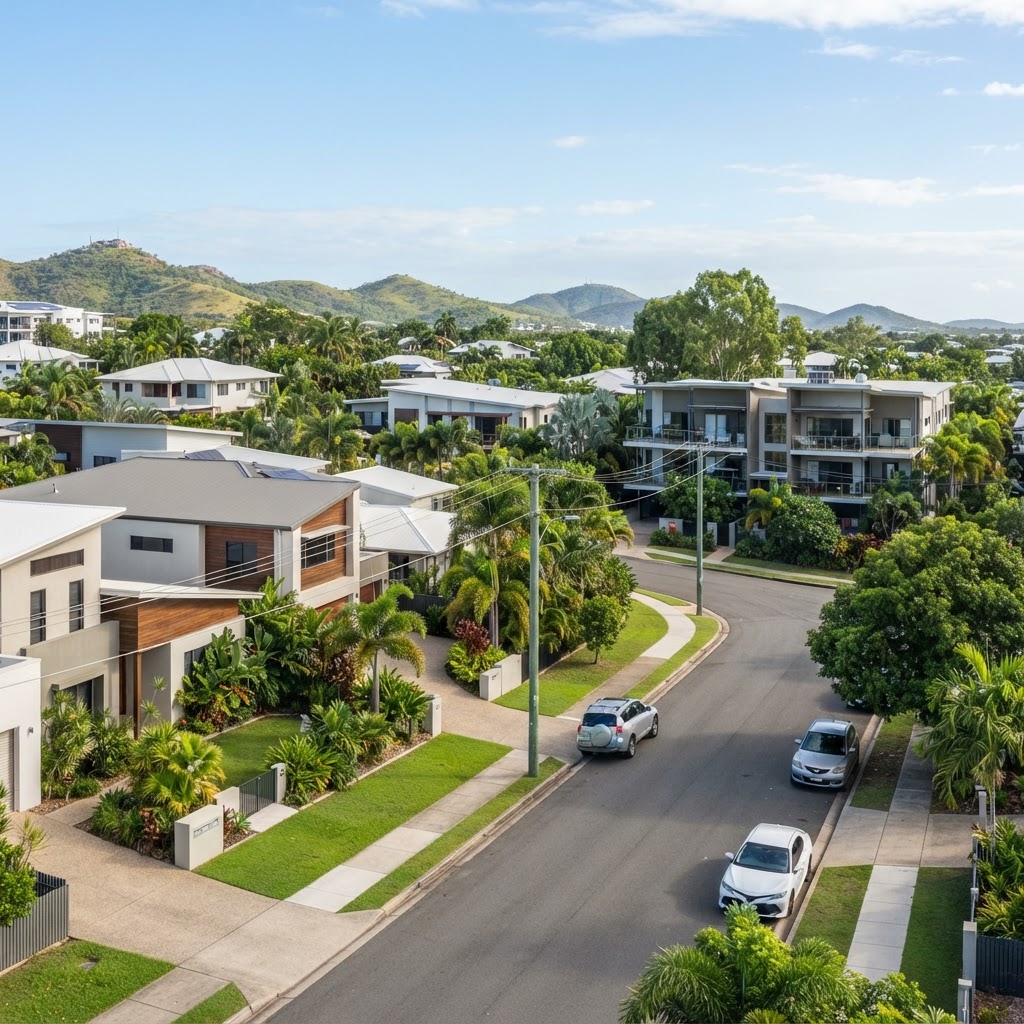
Townsville’s residential market is undergoing a period of scrutiny as tenants weigh the rising costs of weekly rent against the long-term commitments of a home loan. With the city maintaining its reputation as a pocket of relative affordability compared to southern markets, local families and young professionals are increasingly looking at whether the monthly outlays for a mortgage are now outpacing the cost of maintaining a rental lease.
The shifting cost of living in North Queensland
The local landscape is heavily influenced by the constant demand generated by the Australian Defence Force presence in the region, which has traditionally kept vacancy rates tight. Suburbs such as Bohle Plains and Idalia have seen consistent interest, but this growth has placed upward pressure on both purchase prices and median rents. For a prospective buyer, the decision is no longer just about the initial deposit; it is about the ongoing maintenance of properties in a climate where construction and material costs remain under pressure.
Data tracked by the Residential Tenancies Authority indicates that regional Queensland continues to offer a distinct contrast to Brisbane’s high-pressure market. While investor yields in parts of Townsville have historically tracked above six percent, renters are finding that their weekly payments occupy a larger share of their household income than in previous years. Meanwhile, those looking to enter the market are navigating a lending environment where interest rates have stabilised but remain significantly higher than they were throughout the early 2020s.
Evaluating the long-term trade-offs
Buying a home in established areas like Hermit Park or North Ward requires a careful calculation of rates, insurance, and the added premiums associated with flood-prone areas or historical maintenance. Renting provides greater flexibility for transient workers, but it misses the potential for long-term equity growth that has historically defined Australian property ownership. Financial advisers in the city frequently point to the importance of comparing local strata fees and body corporate levies, particularly for those looking at apartment living near the Flinders Street dining precinct, against the simplicity of a standard rental contract.
For those currently sitting on the sidelines, the advice remains consistent: map out the total cost of ownership. Beyond the sticker price, buyers must account for stamp duty and regular property inspections. Renters, conversely, should monitor local vacancy trends as reported by the Real Estate Institute of Queensland to anticipate future rent hikes. As the city approaches the next quarter, local market participants should focus on long-term sustainability rather than short-term market volatility, ensuring their choice aligns with their employment stability and future lifestyle requirements.
This article is general information only and is not personal financial or investment advice. Consider your own circumstances and seek licensed professional advice before making financial decisions.