property
How Much Rent Is Too Much? The 30% Rule in Practice in Townsville
With rental demand rising, Townsville residents are turning to the 30% rule to judge affordability-so how does this benchmark hold up on local incomes and listings?
How we reported this
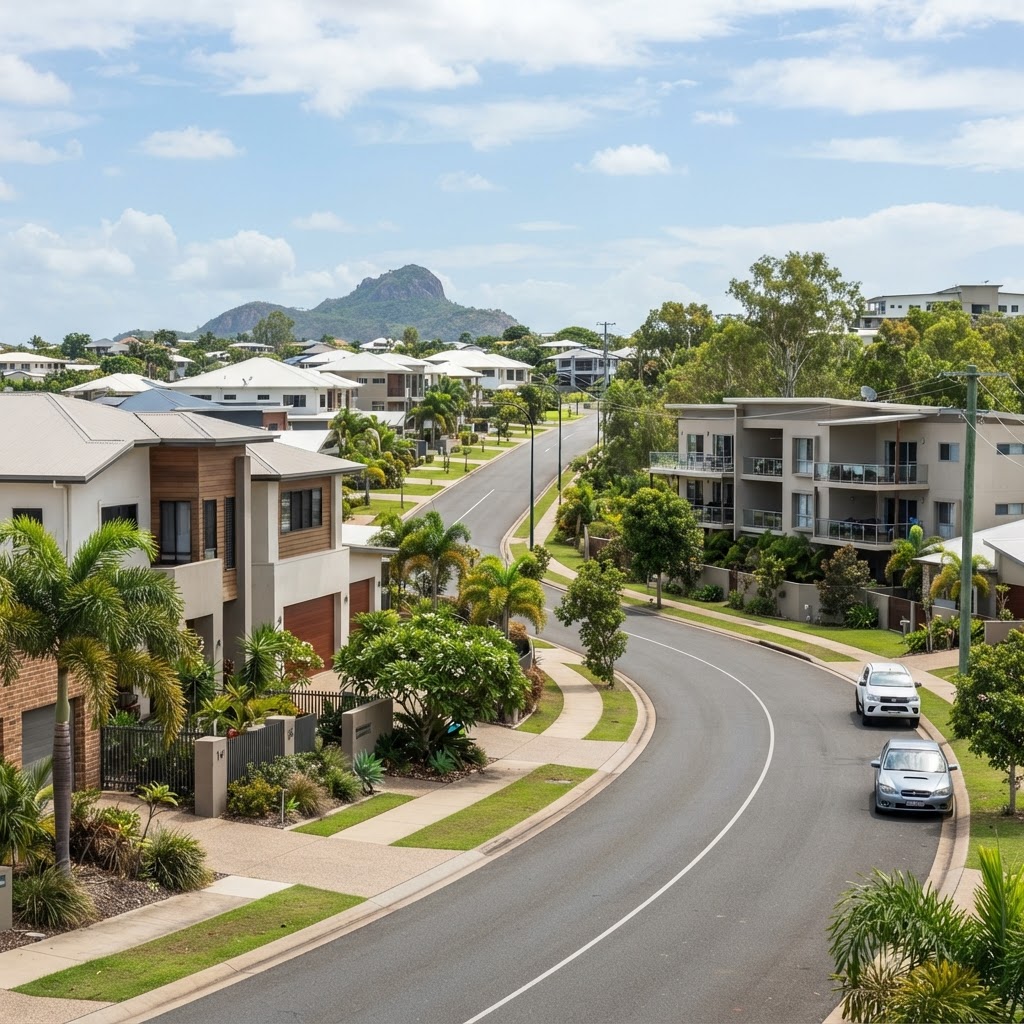
For Townsville’s growing community of renters, the longstanding “30% rule” is being put to the test as weekly rents edge higher across popular suburbs like Idalia and Bohle Plains. Local property managers and advocates say more tenants are calculating exactly where rent stops being affordable.
The issue couldn’t be more timely. After years of modest rent increases, national market dynamics and local demand-particularly from defence personnel stationed at Lavarack Barracks-have pushed Townsville rental prices higher. This is leading many to ask: when is it time to draw the line, and what does ‘affordable’ actually mean here?
A Practical Test for Townsville Tenants
The 30% threshold, long cited by housing economists and used by local organisations like Townsville Tenants’ Union, suggests housing costs should not consume more than a third of household income. With new listings appearing on major sites for central Aitkenvale apartments and Bohle Plains family homes, prospective tenants find themselves doing back-of-envelope calculations.
Australian Bureau of Statistics data puts Townsville’s median household income in a range that makes the city more affordable than coastal capitals. But the equation is shifting. As at the last snapshot, the median dwelling price sat near $390,000 and investor yields remain attractive, drawing interstate buyers to suburbs such as Mount Louisa. For renters along Riverside Boulevard or in North Ward’s units, homes that were within financial reach in early 2024 now represent a more significant slice of take-home pay.
Crunching the Numbers: Does the Rule Still Apply?
Market data from major property portals shows that rents have climbed alongside increased demand from workers relocating for new projects at James Cook University and defence postings. In practice, a typical two-bedroom in West End can require a monthly rent that quickly surpasses 30% of after-tax income for some single tenants or young families. Local agencies like Ray White Townsville acknowledge that vacancy rates remain low in high-demand pockets, further skewing the balance between what tenants want and what they can realistically afford.
For many, following the 30% rule means making trade-offs-fewer amenities, a move further out to Kirwan or employing programs offered by community groups such as The Cathedral Centre, which help renters in financial stress. On the buyer side, steady property prices and relative affordability keep the dream of home ownership alive for those able to save a deposit. However, prospective borrowers also face strict lender assessments that effectively enforce the same 30% income-rule, especially for those considering recent apartment developments along Stanley Street or larger homes near Fairfield Waters.
Looking Forward: Managing the Affordability Squeeze
While the 30% threshold remains a useful guide, many Townsville households must be flexible. Renters are increasingly seeking advice from services like Townsville Community Legal Service, which offers tenancy support and budgeting resources. Those looking to buy continue to monitor conditions, waiting for the combination of stable prices and available stock in family-friendly suburbs like Bohle Plains to tip in their favour.
For now, Townsville’s relative affordability compared to larger east-coast cities remains a selling point. But with rent pressures mounting and supply uneven across neighbourhoods, both renters and first-home buyers are watching their budgets more closely than ever, ensuring that housing costs don’t push them beyond the comfort of that 30% threshold.
This article is general information only and is not personal financial or investment advice. Consider your own circumstances and seek licensed professional advice before making financial decisions.