property
Townsville Council's New Infill Focus Reshapes Property Playbook
A planning scheme amendment passed late last month is set to curb fringe development, pushing builders and buyers toward established suburbs and changing the city’s growth map.
How we reported this
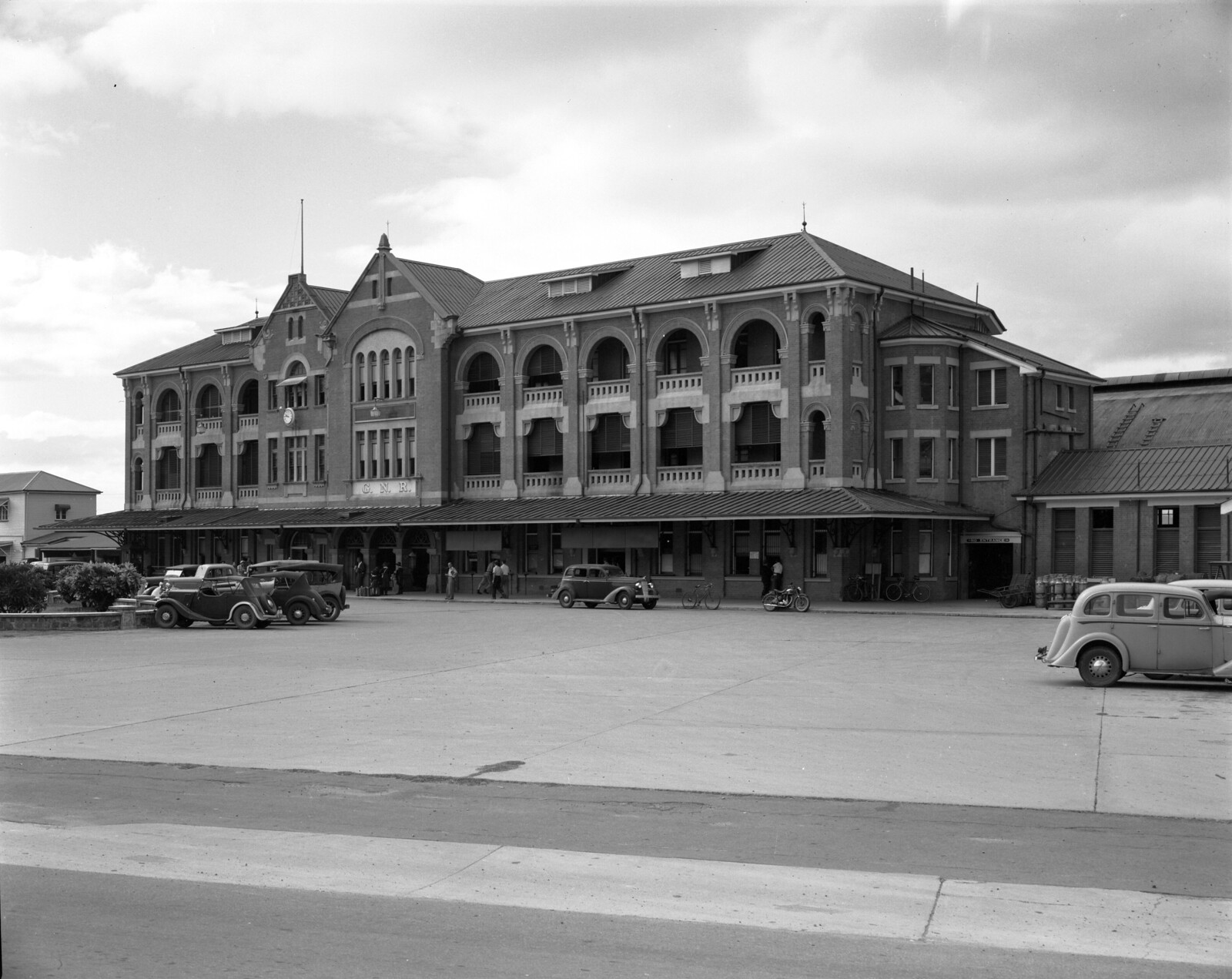
Townsville's long-held development mantra of 'go west' is facing a significant challenge. A recent Townsville City Council planning amendment prioritising infill development over continued suburban sprawl is already sending ripples through the local property market, forcing a rethink for family homebuyers and investors alike.
The policy shift, formalized in a council vote in late June 2026, aims to increase housing density in established suburbs. It comes as Townsville grapples with sustained population growth, fuelled by Defence personnel transfers to Lavarack Barracks and strong demand from interstate buyers seeking affordability. With southern markets like Melbourne reporting record-low winter auction volumes, Townsville's relative stability and value has made it a magnet, putting pressure on existing infrastructure and housing supply.
This new focus on urban consolidation is a direct response to the costs associated with servicing new estates on the city's fringe. The city's planners are now encouraging developers to look at opportunities in suburbs like Railway Estate, Hermit Park, and even parts of Aitkenvale, rather than solely concentrating on greenfield sites in Bohle Plains and the burgeoning Elliot Springs development. The goal is to leverage existing roads, water, and power infrastructure, rather than building new trunk lines out past the Ring Road.
From Greenfield to Infill
For years, the story of Townsville's growth was written in the cleared paddocks of the Upper Ross and the Northern Beaches corridor. Now, the emphasis is on projects like duplexes, townhouses, and small-scale apartment blocks on under-utilised lots within a 10-kilometre radius of the CBD. This strategic change directly impacts the development pipeline and the types of homes that will be available in the coming years.
Local building firms and contractors who have specialised in house-and-land packages in suburbs like Idalia and North Shore will need to adapt. The incentives are now tilting towards knocking down an old timber Queenslander on a large block in West End to build two or three modern dwellings. This approach is designed to cater to a different demographic, younger professionals, hospital workers from the nearby Townsville University Hospital, and downsizers who want proximity to the city centre and The Strand, not a big backyard.
The Market Impact
The numbers show why council is acting. Townsville's median house price has remained remarkably resilient, currently sitting around the $390,000 mark. That affordability has driven intense demand, particularly from investors chasing gross rental yields that consistently top 6% in many postcodes. However, this demand has stretched the available supply of new four-bedroom homes, the city's traditional housing product.
The new policy could see the value of undeveloped land on the city's outskirts stagnate in the short term, while well-located large blocks in inner suburbs could see a price bump. For prospective buyers, the market is now split. Those wanting a brand new home on a traditional suburban block might find fewer options and potentially higher prices in the next 18 to 24 months. Conversely, buyers looking for a low-maintenance townhouse or apartment closer to the city may soon find a wider range of new builds to choose from. First-home buyers and the Gen Z cohort, who national surveys show still value home ownership, may find these new, smaller infill properties a more accessible entry point into the market than a sprawling home in a new estate.
This article is general information only and is not personal financial or investment advice. Consider your own circumstances and seek licensed professional advice before making financial decisions.