property
How Much Rent Is Too Much? The 30% Rule in Practice
Townsville renters are stress-testing an old affordability benchmark as rents rise faster than wages across the city's most sought-after suburbs.
How we reported this
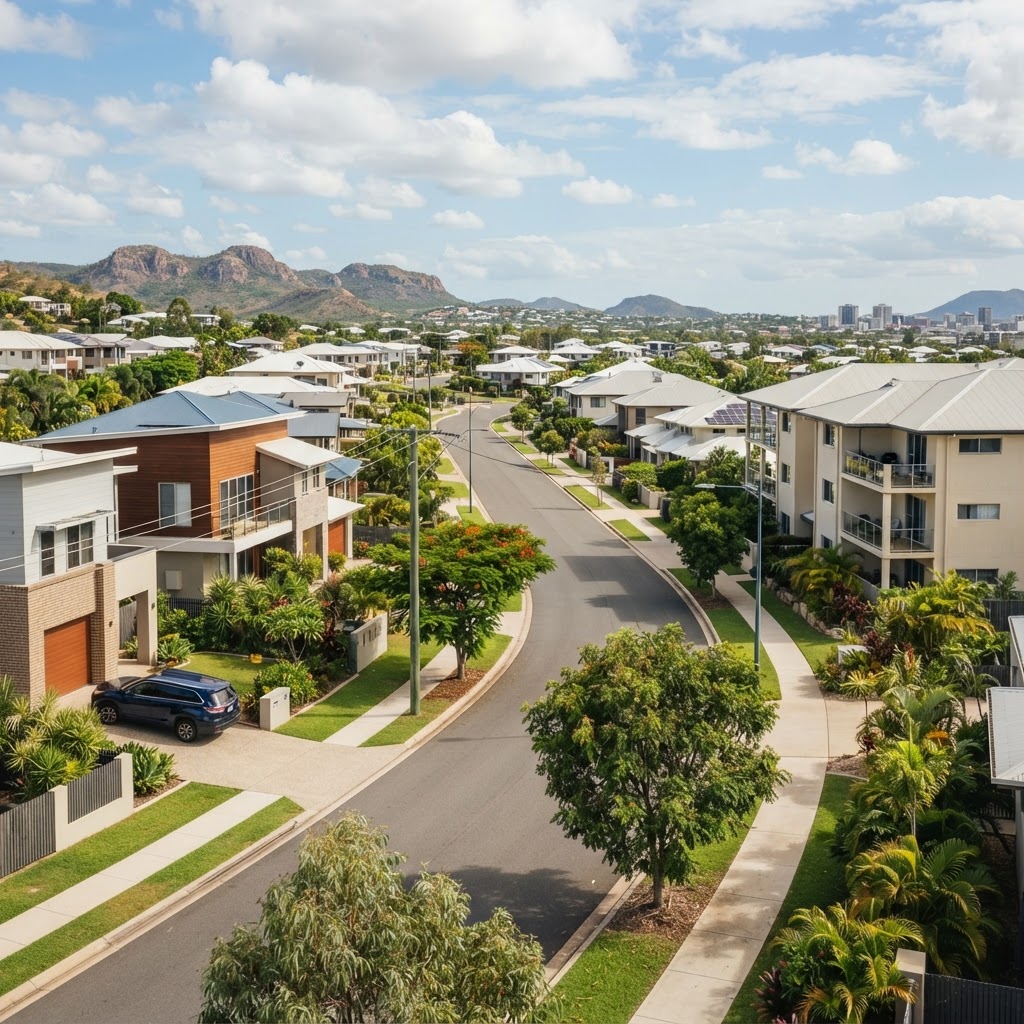
The maths is brutal for a growing number of Townsville renters. Take home $1,200 a week, pay $480 in rent, and you've blown the 30% threshold that housing economists have used for decades to define the line between manageable and stressful. Right now, in suburbs like Idalia and Bohle Plains, that line is getting crossed more often.
The 30% rule, the longstanding measure that says no household should spend more than 30 cents in every dollar of gross income on housing costs, dates back to US public housing policy in the 1960s and has since been adopted by the Australian Bureau of Statistics as a standard stress indicator. It's blunt, it's imperfect, and in mid-2026 Townsville, it's more relevant than it has been in years.
Queensland's median dwelling price sits around $390,000, and Townsville has historically sat well below that statewide figure, giving the city a reputation as one of the more affordable metro-adjacent markets on the eastern seaboard. But affordability is a ratio, not a raw number. When rents rise faster than wages, even a comparatively cheap city starts to squeeze.
What the Numbers Look Like on the Ground
Townsville's rental market has tightened considerably since 2023. Three-bedroom houses in Idalia, a master-planned suburb off Duckworth Street in the city's southeast, have been advertised in the $520 to $560 per week range through mid-2026, up from figures closer to $420 just two years ago. A renter earning the Queensland minimum wage of $24.10 per hour, working 38 hours a week, grosses roughly $950 per week before tax. At $520 per week in rent, that's not 30% of income, it's closer to 55%.
Bohle Plains, the large residential growth corridor north of the Bruce Highway near the Townsville CBD fringe, tells a similar story. New four-bedroom homes in the estate have attracted rents above $580 per week from tenants linked to the defence sector, the Lavarack Barracks garrison at Thuringowa Drive remains one of the city's most consistent drivers of rental demand, with personnel rotations creating a steady pipeline of relocating households who need somewhere fast and aren't always in a position to negotiate hard on price.
Investor yields above 6%, which Townsville has consistently offered compared to Brisbane and Sydney markets where yields often fall below 4%, make that demand dynamic work in landlords' favour. A property purchased for $420,000 returning $530 per week grosses just over 6.5% annually. For investors, the numbers stack up. For the tenant on the other side of that lease, they may not.
The Buy vs Rent Calculation Is Shifting
The counterintuitive argument gaining traction among buyers' agents working the Townsville market is that purchasing is now more affordable on a monthly outgoings basis than renting, for households that can clear the deposit hurdle. On a $390,000 purchase with a 20% deposit and a variable rate mortgage at approximately 6.2%, principal and interest repayments land around $1,900 per month, or roughly $438 per week. That's below what a three-bedroom rental in Idalia is currently commanding.
The catch is the $78,000 deposit. For renters spending 40%-plus of their income on housing, saving that sum is not a planning exercise, it's a decade-long project, if it's achievable at all. The Queensland Government's First Home Owner Grant of $30,000 for new builds helps close the gap for some, but only applies to new construction, which in practice means estates on the urban fringe rather than established Idalia or Annandale stock.
Townsville City Council's local housing strategy, which runs through to 2031, identifies affordability pressure as a key risk factor for workforce retention in the health and education sectors. The city's two largest public employers, Townsville University Hospital on Angus Smith Drive and James Cook University at Douglas, draw workers on salaries where the 30% rule is already under serious pressure.
The practical upshot for anyone currently renting and watching their lease renewal approach: run your own numbers before assuming the 30% rule gives you any real protection. If your rent is above $390 per week and your gross household income is below $1,300 per week, you're already in stress territory by the standard definition, whatever the suburb, whatever the landlord tells you about the market.
This article is general information only and is not personal financial or investment advice. Consider your own circumstances and seek licensed professional advice before making financial decisions.