policy
Queensland AI Infrastructure Accountability Bill 2026 and Townsville Ross River Dam Pressures
The legislation requires data centre proposals to model local water draw and grid demand before approval, which covers Townsville projects near the hydrogen hub and defence facilities.
How we reported this
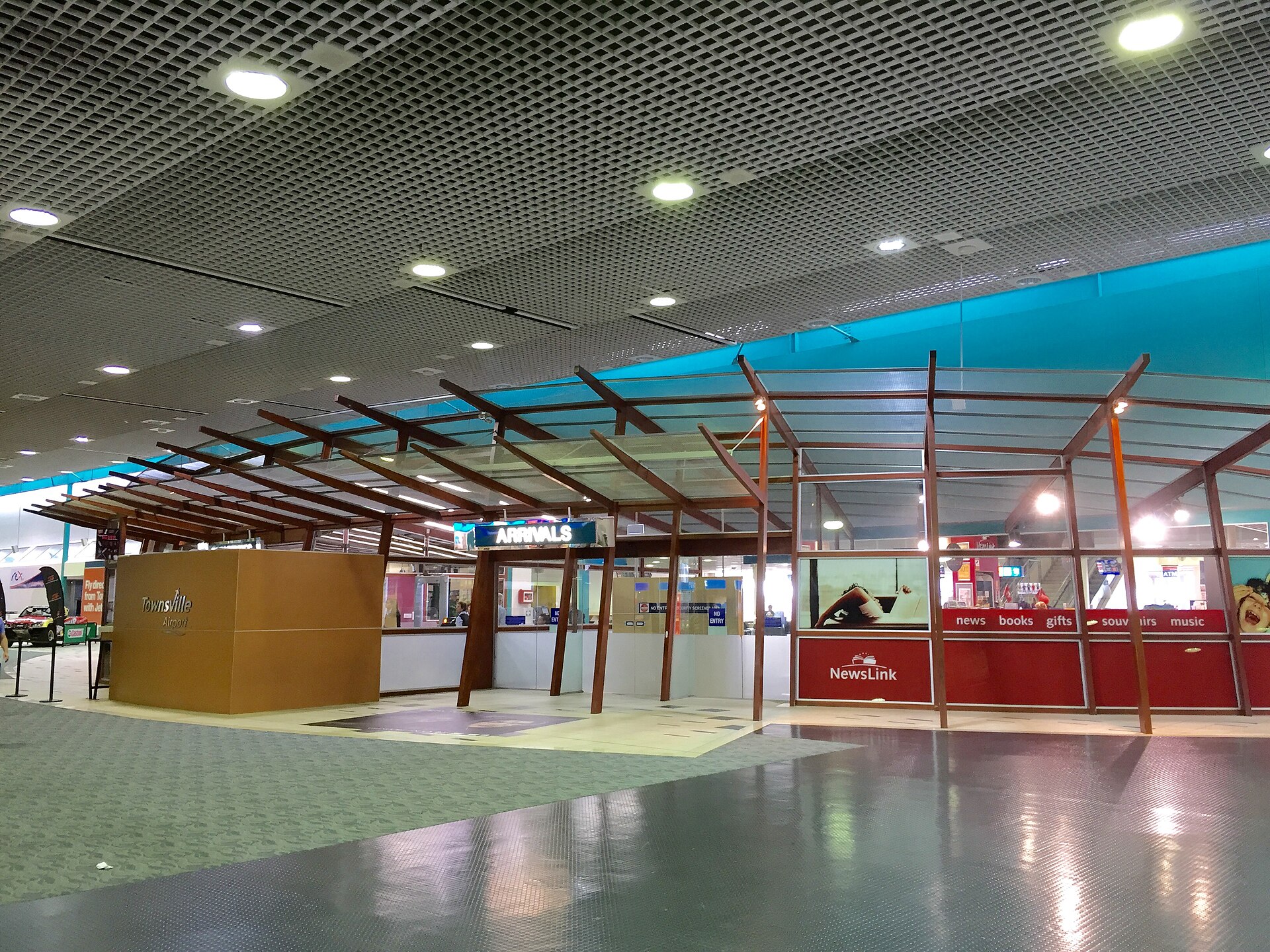
The Queensland Parliament passed the AI Infrastructure Accountability Bill 2026 on 7 July, requiring any new data centre above 10 megawatts to submit water and electricity impact statements to the Coordinator-General before receiving development approval. The change applies to operators seeking sites in north Queensland, including areas around Townsville that already host RAAF Base Townsville and the emerging hydrogen hub at Lansdown.
National reports on data centre energy use have coincided with local planning for expanded industrial power connections. Townsville residents draw drinking water from Ross River Dam and receive electricity through the same northern grid that serves defence installations and proposed hydrogen facilities. The bill directs proponents to publish projected annual megalitres and megawatt hours so that utility managers can update allocation models.
Effects on daily services and costs
Policy analysts at James Cook University state that published impact statements will feed directly into the next Ross River Dam operating plan, which sets extraction limits for urban supply. Local advocates note that any approved data centre would join existing large users such as the defence bases when Ergon Energy reviews peak-load forecasts for the 2027-28 financial year. Residents could see adjustments to water restrictions or network charges if modelled demand exceeds current headroom.
The legislation states that statements must include drought-year scenarios using Bureau of Meteorology data for the Burdekin catchment. Community organisations representing Pacific Island residents have asked for plain-English summaries of these scenarios so households can compare projected dam levels against historical flood-recovery benchmarks released by the Queensland Reconstruction Authority.
Budget papers for 2025-26 record $47 million allocated to hydrogen hub enabling works at Lansdown. The new bill adds a requirement that any co-located data centre must demonstrate it will not reduce available megawatts below the amount contracted for hydrogen electrolysers. This linkage is expected to shape site-selection decisions by developers over the next 18 months.
Timeline for implementation
Regulations under the bill are due to be tabled by 30 September 2026. The Coordinator-General has opened a four-week public consultation period ending 5 August for comments on the draft impact-statement template. Townsville City Council has indicated it will host a community briefing on the template before the deadline.