news
Townsville's flood-hardened resilience puts it ahead of global peers, but gaps remain
Seven years on from the 2019 deluge, North Queensland's largest city is drawing comparisons to Darwin, Cairns and flood-prone cities overseas as it rethinks water security, infrastructure and community preparedness.
How we reported this
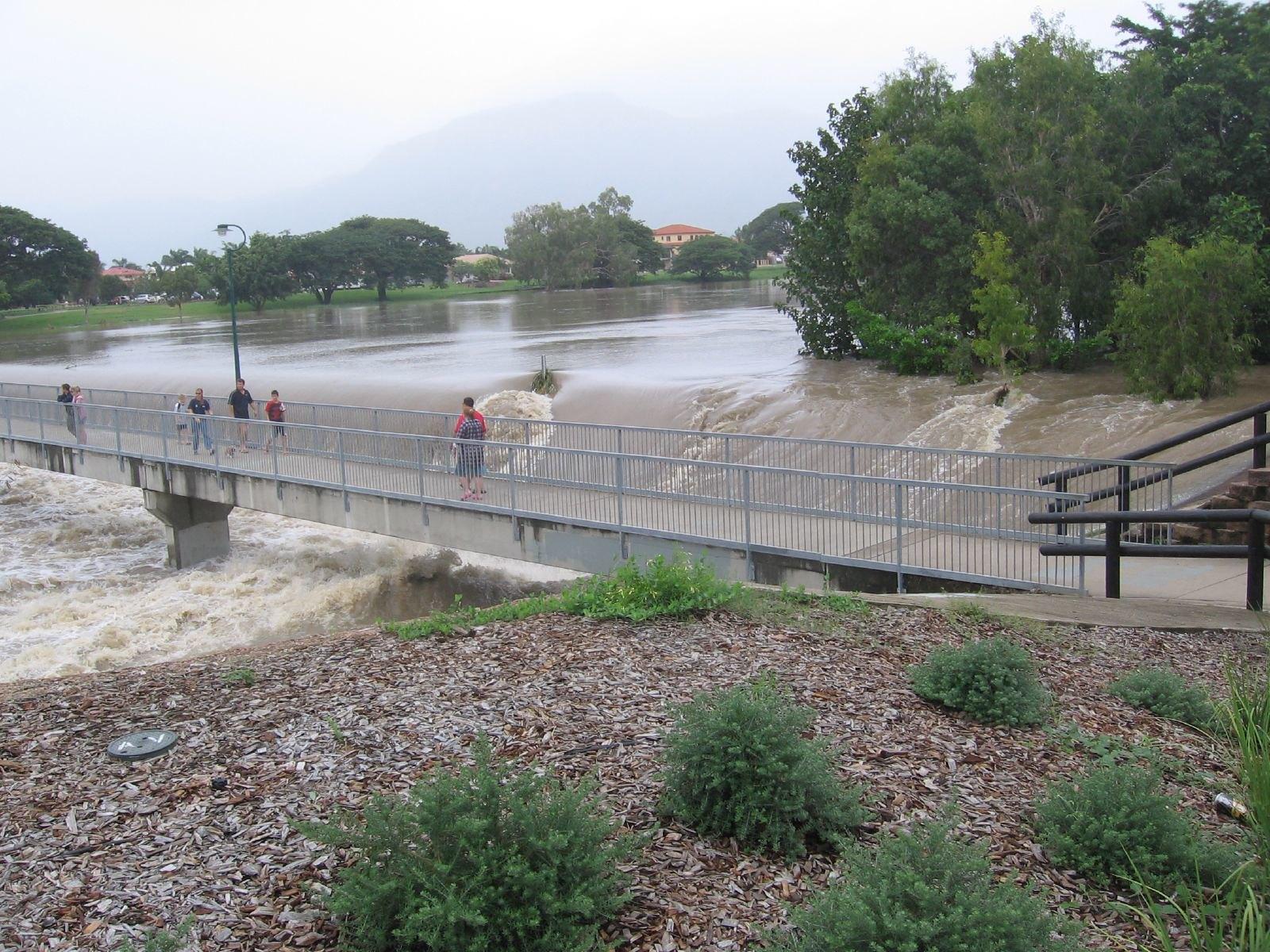
Ross River Dam sits at roughly 70 percent capacity this July, a figure Townsville water managers are watching closely after back-to-back dry seasons trimmed inflows to the Burdekin catchment. The number matters because the city's 230,000 residents depend almost entirely on that single reservoir, a structural vulnerability that sets Townsville apart from larger coastal capitals but places it in familiar company with mid-sized cities in northern Australia and the Pacific Rim that live and die by monsoonal rain cycles.
The comparison is more than academic. As Queensland's state government pushes its First Nations treaty process into a new consultation phase and as the North Queensland hydrogen hub project attracts fresh federal attention, civic planners in Townsville are under pressure to demonstrate the city can manage basic services reliably before it pitches itself as a green-energy export node. The 2019 floods, which inundated suburbs from Hermit Park to Annandale and triggered a parliamentary inquiry, left a blueprint for what not to do. The question now is whether the city has actually followed it.
What Townsville is doing differently
Townsville City Council has been rolling out a flood resilience program across low-lying suburbs near Ross Creek and the Bohle River corridor, targeting the same drainage pinch-points that turned Woolcock Street into a river channel in February 2019. Works on Castle Hill drainage upgrades were flagged in the council's 2025-26 capital budget, which allocated more than $40 million toward stormwater infrastructure across the local government area. Separately, the State Government's Resilient Homes Fund, which operates statewide following the 2022 southeast Queensland floods, has been extended to eligible northern Queensland properties, giving some Townsville homeowners access to raising, retrofitting or buyback options.
James Cook University's TropWATER centre on the Douglas campus has been modelling urban heat and flood interaction for northern Australian cities since 2021. That research feeds directly into council planning documents, a partnership arrangement that cities like Cairns and Darwin have also pursued with their respective university partners. What separates Townsville is scale: the presence of Lavarack Barracks and RAAF Base Townsville injects a defence-linked workforce of roughly 8,000 personnel and dependants into the local economy, giving the city a fiscal cushion that comparable regional centres in the Philippines or northern India, cities facing similar monsoonal infrastructure stress, simply do not have.
How global peers stack up
Flood-prone mid-sized cities with military or industrial anchors, think Manado in Indonesia or Nakhon Ratchasima in Thailand, typically lack the federal funding pipelines that Australian regional cities access through mechanisms like the National Disaster Risk Reduction Framework. Townsville, by contrast, received more than $300 million in combined state and federal reconstruction funding in the years following 2019, according to figures cited in Queensland Treasury's post-disaster recovery reporting. That money rebuilt the Aplins Weir crossing, upgraded the Deeragun levee system and funded new early-warning sensor networks along the Ross River.
The gap that remains is governance speed. Community groups in Aitkenvale and Mundingburra have raised concerns through council submissions about the pace of development approvals in flood-overlay zones, pointing to subdivisions approved near the Bohle floodplain that appear to conflict with post-2019 lessons. Similar tensions have played out in Rockhampton and in Newcastle, NSW, where revised flood mapping has stalled residential development pipelines. In Townsville's case, the hydrogen hub ambitions add urgency: port infrastructure at the Port of Townsville and the industrial corridor along Ingham Road will need flood-proof certifications before any serious green-energy investor signs a long-term lease.
The next test will come before Christmas. The Bureau of Meteorology's outlook as of early July signals a La Niña-neutral to weak La Niña pattern forming in the Pacific, which historically increases monsoonal rainfall across North Queensland between November and March. Council's emergency management team is expected to run its pre-cyclone season briefings for community leaders in September, using the same Strand foreshore command post that served as a coordination hub in 2019. Residents in flood-liable streets, particularly those below the 5-metre AHD contour in suburbs like Idalia and Cluden, should confirm their household emergency plans and check their insurance policies now, well before the season opens.