news
Townsville by the Numbers: What the Data Reveals About the City's Economy, Water and Growth in 2026
From Ross River Dam storage levels to defence workforce figures, the statistics shaping Townsville's year tell a more complicated story than the headlines.
How we reported this
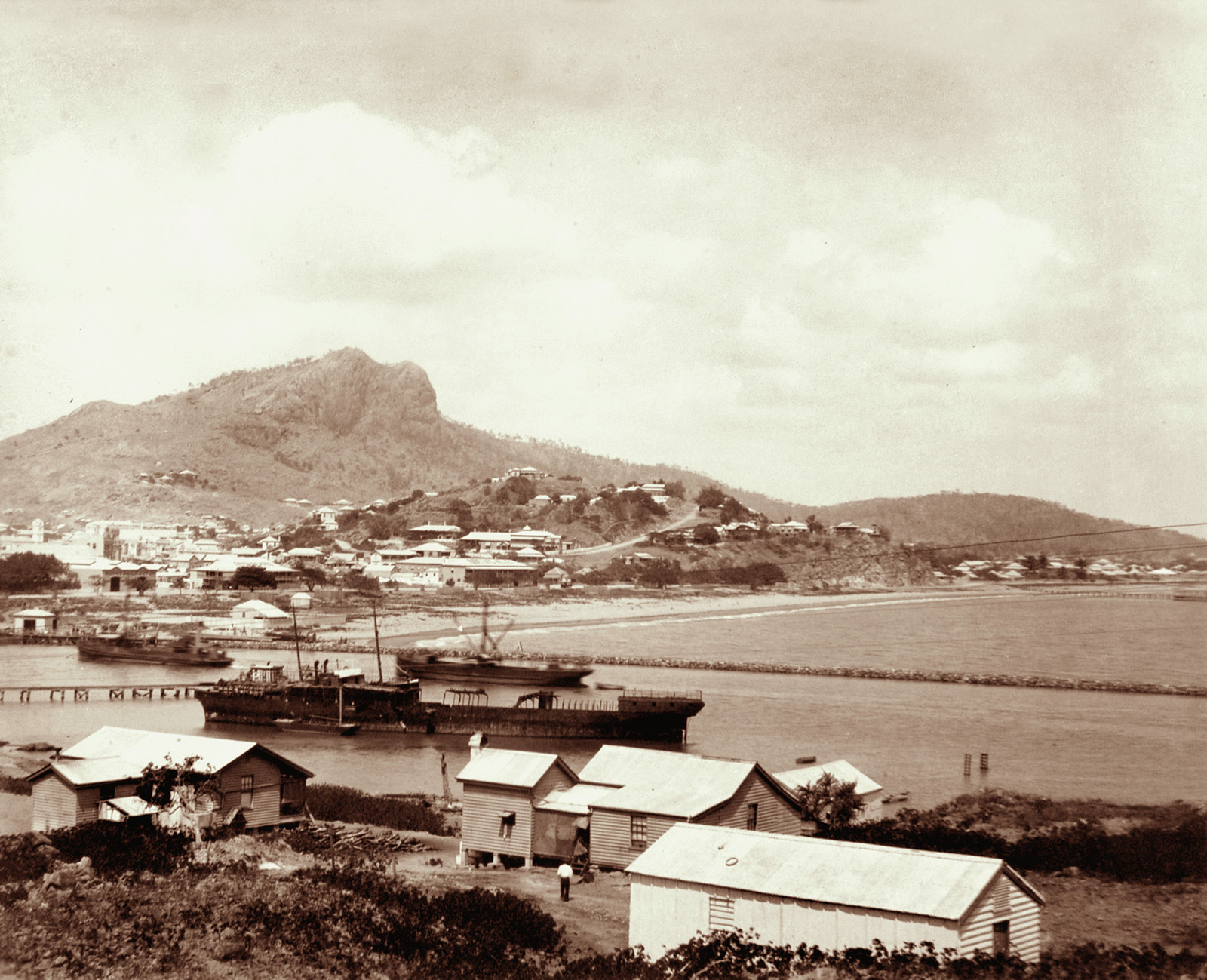
Ross River Dam is sitting at roughly 73 percent capacity as of early July 2026, according to Townsville City Council water monitoring data, a figure that looks healthy on paper but represents a sharp conversation point for water planners heading into the region's dry season. The dam, which supplies drinking water to more than 200,000 residents across greater Townsville, dropped below 25 percent during the prolonged dry stretch of 2019, the same year catastrophic floods hit low-lying suburbs including Hermit Park and Rosslea. That contradiction, flood risk alongside water insecurity, remains the city's defining infrastructure tension.
The timing matters because Townsville is in the middle of a population growth phase that is quietly accelerating pressure on every public system from roads to reservoir capacity. The Australian Bureau of Statistics estimated Townsville's population at approximately 230,000 for the greater statistical area in its most recent release, with growth running at around 1.4 percent annually. That pace is modest by southeast Queensland standards but significant for a regional city whose pipes, schools and emergency services were largely designed for a smaller footprint.
Defence and Industry: The Economic Backbone in Numbers
The Australian Defence Force presence across Lavarack Barracks in Annandale and RAAF Base Townsville in Garbutt underpins an estimated 12,000 direct and indirect jobs in the local economy, based on figures previously published by the Townsville Enterprise industry body. Defence spending flowing through the city annually runs into the hundreds of millions of dollars, making it the single largest economic driver ahead of healthcare and retail. That concentration creates resilience, the sector doesn't disappear in a downturn, but also vulnerability, since federal basing decisions made in Canberra carry outsized local consequences.
The hydrogen hub ambition adds another layer of numbers to watch. The proposed hydrogen export facility linked to Port of Townsville and promoted by the Queensland Government's Queensland Hydrogen Industry Strategy has attracted feasibility funding, though the commercial timeline for first production remains years away. Port of Townsville recorded container movements in the vicinity of 270,000 twenty-foot equivalent units in its most recent annual report, with the port authority flagging ongoing capacity expansion works along Berth 10 and 11 to handle projected freight growth through the early 2030s.
Housing Costs and Community Pressure
Residential property in Townsville has not escaped the national price surge. Median house prices in suburbs like Mount Louisa and Kirwan were tracking above $480,000 in early 2026 according to Real Estate Institute of Queensland data, up from figures closer to $350,000 three years prior. Rental vacancy rates across the city have hovered below two percent for much of the past eighteen months, a level housing researchers generally classify as a supply emergency. For Townsville's substantial Pacific Islander community, concentrated in areas including Cranbrook and Cluden, and for First Nations families navigating the Queensland treaty process while dealing with housing affordability, those numbers translate directly into overcrowding and displacement pressure.
The 2019 flood recovery program, administered partly through the state government's Betterment Fund and the federally backed Disaster Recovery Funding Arrangements, saw Townsville receive more than $1.5 billion in combined recovery and resilience commitments over subsequent years, according to Queensland Reconstruction Authority reporting. Seven years on, completed flood mitigation works including levee upgrades along the Ross River corridor represent the physical output of that investment, though council engineers and urban planners continue to flag that further work is needed before the city can absorb another 2019-scale event.
What the numbers collectively point to is a city at an inflection point. Residents watching their water bills, their rent, and their suburb's flood zone designation should note that Townsville City Council's next long-term infrastructure plan is expected to go to public consultation in the second half of 2026. Submissions from community groups, businesses around Flinders Street and Thuringowa Drive precincts, and individual households will directly shape capital priorities for the decade ahead. Engaging with that process, before the numbers are locked in, is the most direct lever residents have.