news
Townsville Tackles Digital Image Fraud Better Than Most, But the Problem Is Getting Worse
As duplicate and AI-manipulated images flood council records, property listings and government databases worldwide, Townsville's approach offers a partial fix but exposes a deeper vulnerability.
How we reported this
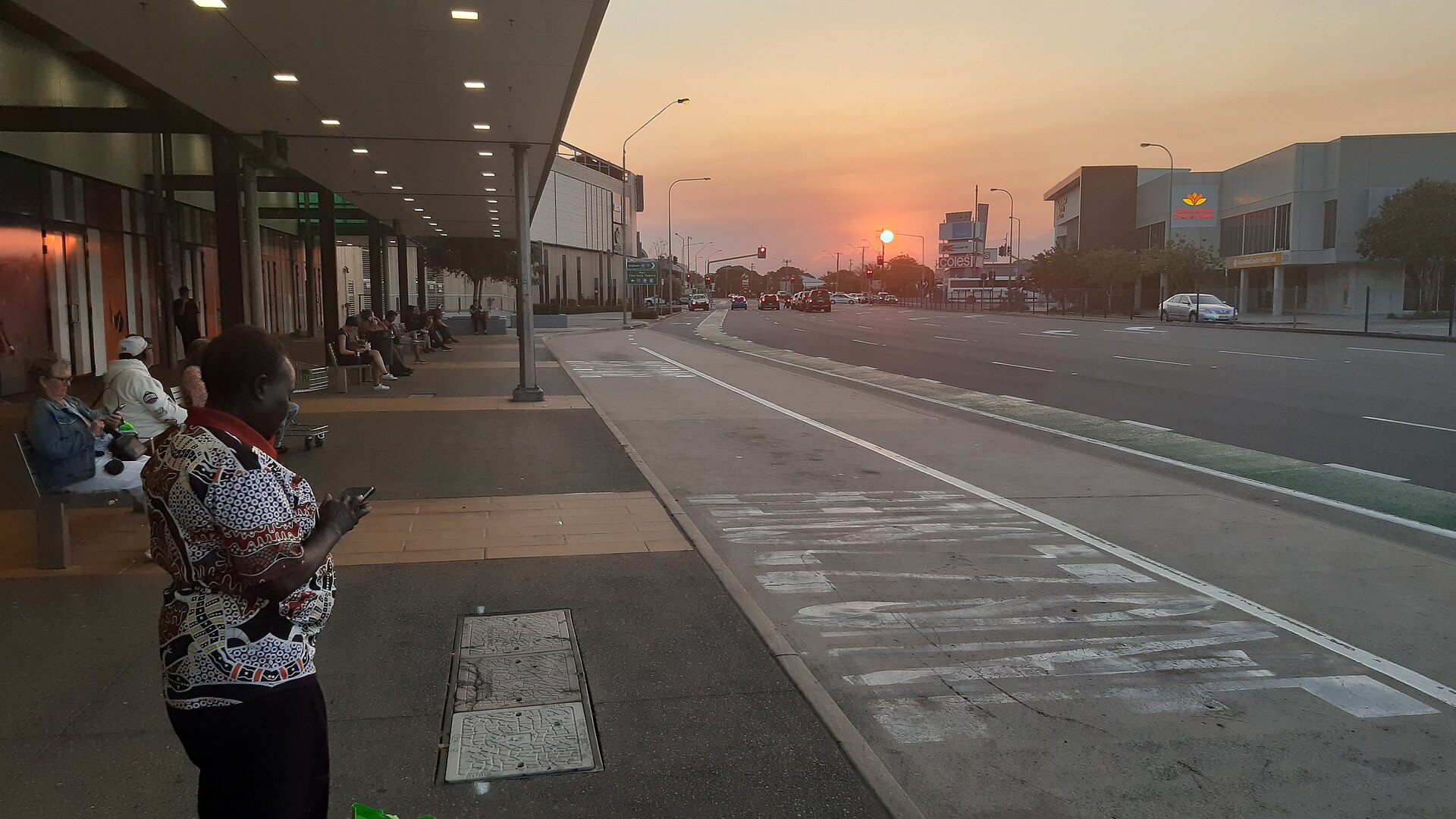
Townsville City Council confirmed this week that it has flagged more than 340 duplicate or manipulated images in its public-facing planning and development portal since January, a figure that local digital records officers say is almost certainly an undercount. The disclosures come as councils and government agencies across North Queensland grapple with a surge in fraudulent or recycled imagery embedded in development applications, infrastructure grant submissions and community consultation documents.
The timing matters. With the State Government's Townsville Hydrogen Hub feasibility documents currently open for public comment, and millions in federal co-funding attached to the accuracy of those submissions, the integrity of digital assets in official records has shifted from a bureaucratic headache to a financial and legal one. The Queensland Audit Office noted in its March 2026 report on digital record-keeping that local governments statewide lacked consistent protocols for image provenance verification, a gap that opens the door to both fraud and honest administrative error.
What Townsville Is Actually Doing
The council's Geographic Information Systems unit, based at the Townsville City Council offices on Walker Street, has been running a pilot program since February using metadata cross-referencing software to catch images submitted more than once across different applications. The program, trialled alongside James Cook University's Digital Futures Lab on Douglas, a suburb about 12 kilometres southwest of the CBD, compares hash values and EXIF data to identify recycled photographs. A council spokesperson confirmed the pilot cost approximately $47,000 to establish and is due for independent review in September 2026.
The Queensland Department of Resources, which manages cadastral data for the region, has its own separate verification layer, but the two systems do not currently talk to each other. That integration gap is precisely what counterpart cities have managed to close. Rotterdam, which handles a comparable volume of waterfront development applications, mandated a unified image registry for all public submissions in late 2024. Darwin, a city with broadly similar population size and a heavy defence-sector footprint, embedded image authentication into its e-development platform in March 2025 after a duplicate photo scandal delayed a $2.3 million wharf precinct approval for seven months.
The Comparison That Stings
Benchmark cities are pulling ahead. Cairns Regional Council, just 350 kilometres north, adopted the IPTC Photo Metadata Standard across its planning department in November 2025, a move that effectively automated duplicate detection for around 90 percent of incoming submissions. The standard, maintained by the International Press Telecommunications Council, is free to implement. Townsville has not yet adopted it.
Globally, the challenge is accelerating. A 2025 study by the Alan Turing Institute in London found that AI-generated or manipulated images now appear in roughly one in fourteen property-related document submissions in cities with active real-estate markets, a rate that has roughly doubled since 2023. Townsville's own rental market, where median advertised rents hit $530 per week for a three-bedroom house in the June 2026 quarter according to Real Estate Institute of Queensland data, provides strong financial incentive for bad actors to recycle flattering property images.
Community groups in Garbutt and Aitkenvale, two suburbs where flood-resilience grant applications have been concentrated since the 2019 disaster, have separately raised concerns with the council about photos appearing in multiple grant submissions for different addresses. The council said those cases are under administrative review.
For residents and businesses lodging their own applications, the practical advice from the council's planning counter on Flinders Street is straightforward: photograph submissions should include a visible, date-stamped reference, a street sign or letterbox number, in frame. That single step, council staff say, resolves most disputes before they escalate. The bigger fix, integrating the GIS pilot with the Department of Resources database and adopting the IPTC standard, is listed as a priority in the council's Digital Infrastructure Roadmap, which is scheduled for a council vote in August 2026.