news
Townsville's Digital Records Crisis: What Officials, Experts and Key Figures Are Saying
A surge in duplicate and corrupted image files is straining council archives and local heritage databases, prompting calls for a coordinated fix before irreplaceable records are lost.
How we reported this
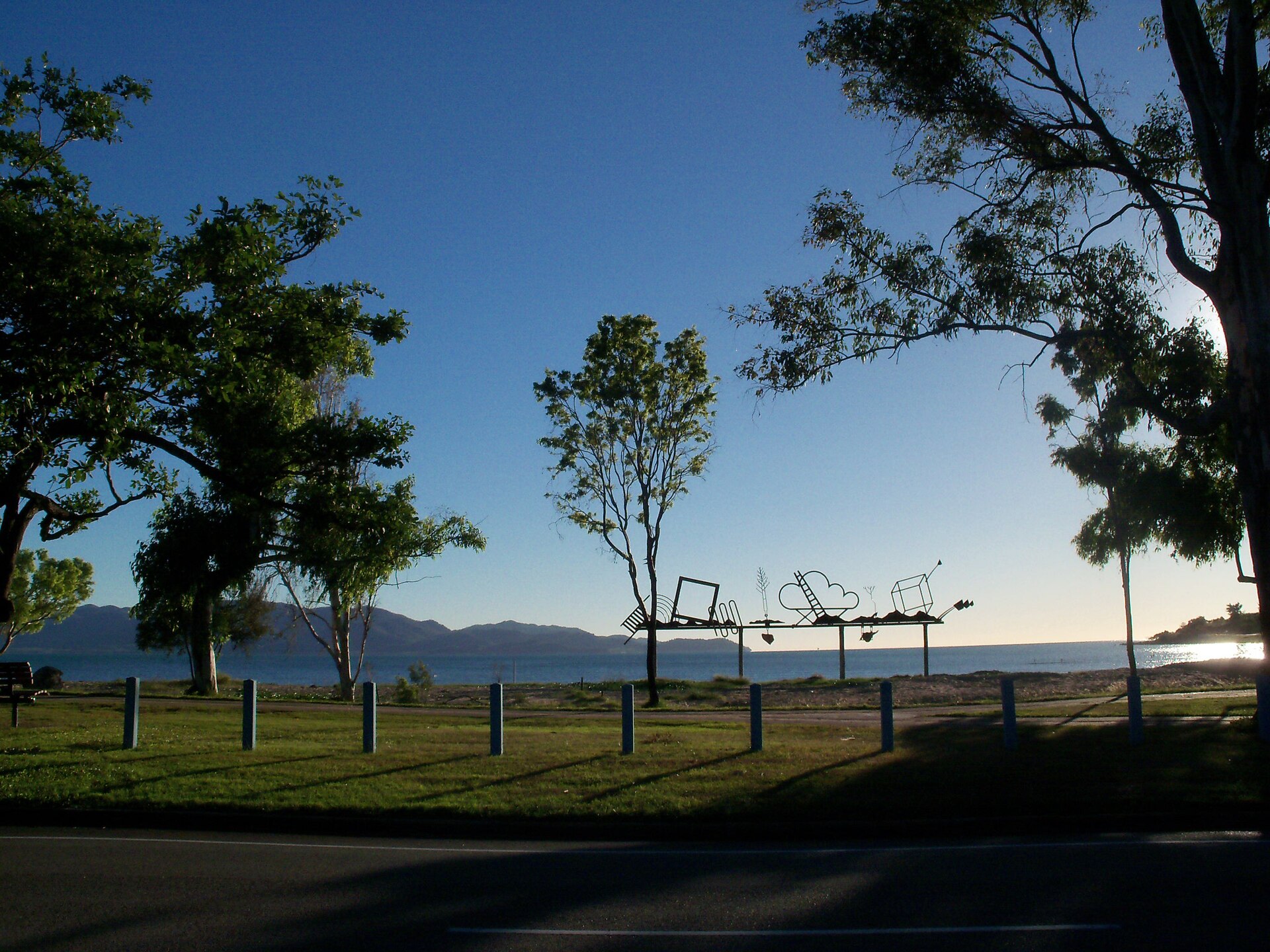
Townsville City Council's digital asset library holds tens of thousands of photographs, engineering drawings and heritage records, and a growing proportion of them are broken. Duplicate image files, corrupted uploads and mismatched metadata have reached a point where council archivists and local heritage advocates are publicly pressing for a structured response. The problem is not unique to Townsville, but the city's particular mix of flood-recovery documentation, First Nations cultural records and defence-precinct planning files makes the stakes unusually high here.
The issue has been building since the mass digitisation push that followed the January 2019 flood event, when councils across North Queensland scrambled to protect paper records from future water damage. Townsville's digitisation program, run out of the council's customer service and information management division at the Townsville City Library on Civic Theatre Lane, ingested hundreds of thousands of files over roughly three years. Staff and community archivists now report that a significant share of those files contain duplicate images, sometimes the same photograph stored under four or five different filenames, while others display corrupt previews that make verification nearly impossible without specialist software.
Why It Matters for Heritage and Planning
The North Queensland's Image Preservation Network, a loose coalition of librarians, local historians and First Nations cultural custodians that meets quarterly at the James Cook University campus on Douglas, has flagged the duplication problem in correspondence to the council twice in the past eighteen months. Their concern centres on cultural records: photographs and scanned documents related to Wulgurukaba and Bindal country that were contributed by community members under the understanding they would be properly catalogued and retrievable. Duplicate entries create confusion about provenance, which matters enormously when those images underpin land-use discussions or treaty-process submissions.
The Townsville Local History Collection, housed within the City Library, includes aerial photography dating to the 1940s alongside storm-surge mapping from Cyclone Althea in December 1971. Archivists working with that collection have noted that batch-upload errors during the 2020-2022 digitisation sprint resulted in at least some image sets being stored without the original geospatial tags, making them difficult to cross-reference with current Ross Dam catchment planning documents or the flood-resilience overlays used by the council's development assessment team.
Digital preservation specialists consulted by organisations including the Australian Institute for the Conservation of Cultural Material recommend that any institution managing more than 50,000 digital objects run automated deduplication checks at least annually, using checksum verification rather than simple filename matching. The distinction matters because two files can share a name yet contain different images, or share identical content under entirely different names, both scenarios cause problems in a working archive.
What a Fix Would Require
Stakeholders broadly agree that three things need to happen. First, the council needs to procure or license a deduplication tool capable of checksum-level analysis, commercial options exist in the $8,000 to $25,000 range for enterprise licensing, though open-source alternatives such as those used by state libraries in New South Wales and Victoria carry lower upfront costs. Second, any remediation project must involve community custodians, particularly First Nations representatives, before files are merged or deleted, a step that adds time but is considered non-negotiable by advocates connected to Queensland's treaty process. Third, the council should establish a clear retention policy that distinguishes between working copies and archival masters, something Townsville's information management framework does not currently spell out in public-facing documentation.
The practical path forward involves the council's information technology services branch, based on Walker Street, working alongside the City Library team and external cultural heritage consultants to scope a remediation project before the end of the 2026-27 financial year. Community members who contributed images, particularly from Magnetic Island, Garbutt and the Mundingburra corridor, all areas with dense flood-recovery photographic records, are being encouraged to contact the City Library directly if they have concerns about how their material appears in the public catalogue. The library's local history desk is open Tuesday through Saturday and can be reached through the council's main service portal.